Your Fish Had Babies: Caring for Fry in the First Weeks
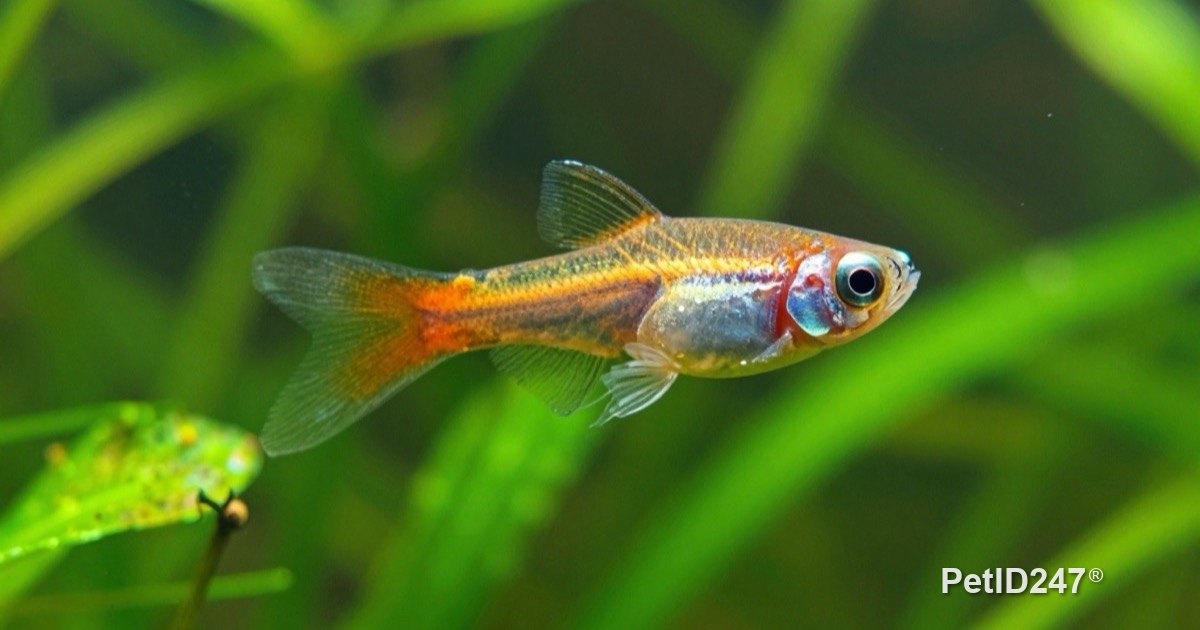
AI-generated illustration
Baby fish are tiny, easily eaten by adults and quick to die in poor water or without suitable food. Learn how to separate, feed and keep water clean for fry.
One day you spot tiny specks darting around near the plants. Your fish have bred. The excitement comes with a challenge: fry are very small, easily eaten by their own parents and other fish, and they need food small enough to swallow and very stable water to grow.
Livebearers versus egg layers
Freshwater aquarium fish fall into two main groups, and early care differs slightly:
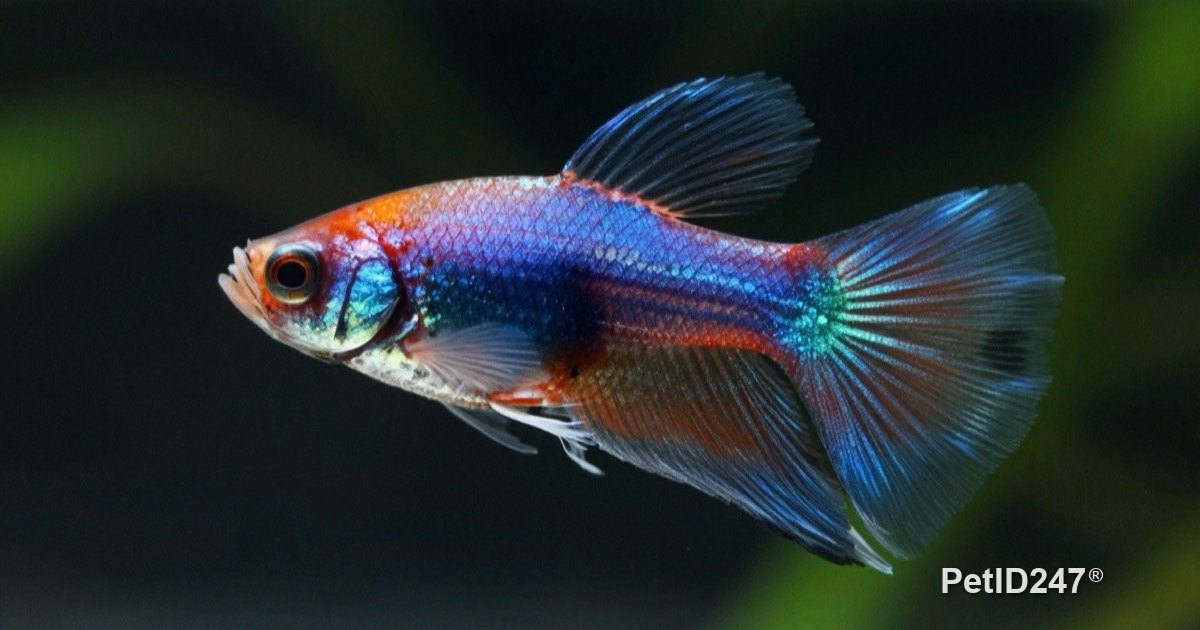
- Livebearers: such as guppies, platies, swordtails and mollies. The fry are born able to swim and can eat very fine food straight away.
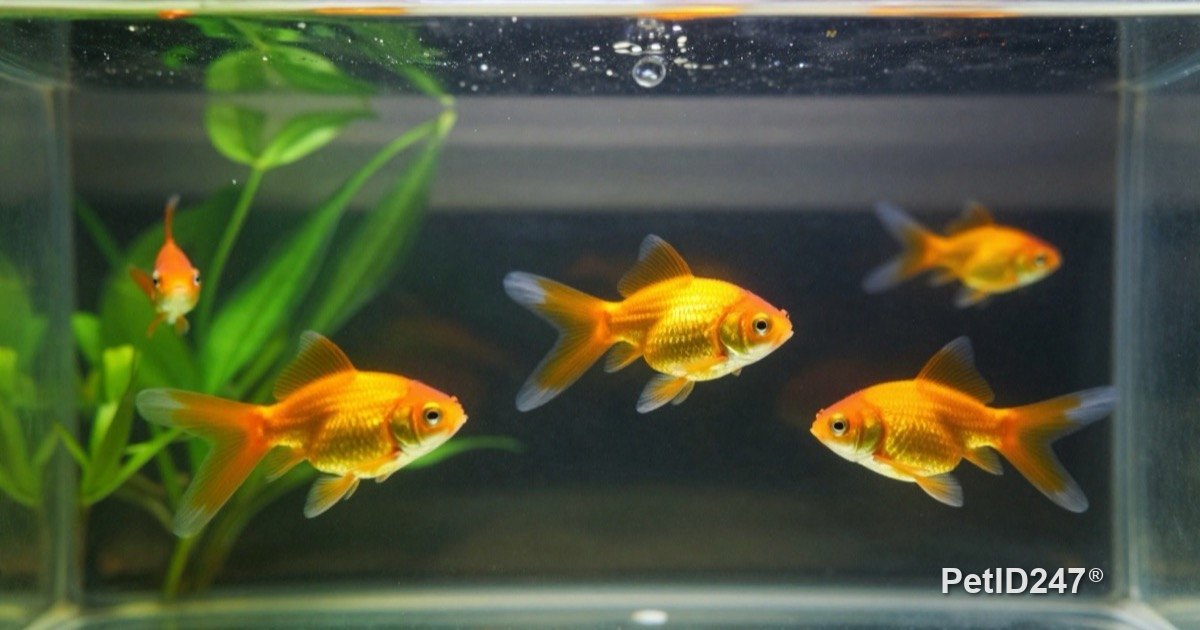
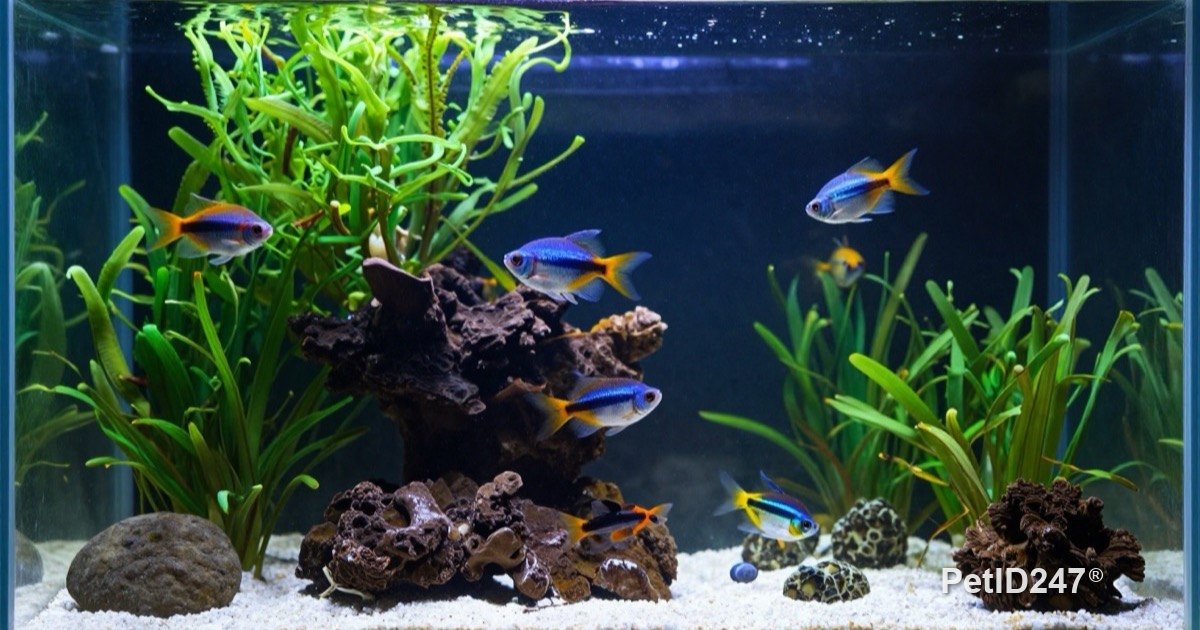
- Egg layers: such as neon tetras, zebra danios, bettas and goldfish. The eggs take a few days to hatch. Newly hatched fry usually live off their yolk sac for a while before they start swimming and feeding.
Some species, such as male bettas and certain cichlids, guard their eggs and young. For these fish, research the specific species before stepping in.
Protecting fry from being eaten
Most aquarium fish don't care for their young and will happily eat eggs and fry. You have a few options:
- A separate fry tank: the safest choice. A small, already cycled tank filled with water from the main tank.
- A breeding box hung inside the tank: convenient, with water shared with the main tank. Don't keep the mother confined in it for long, as it stresses her.
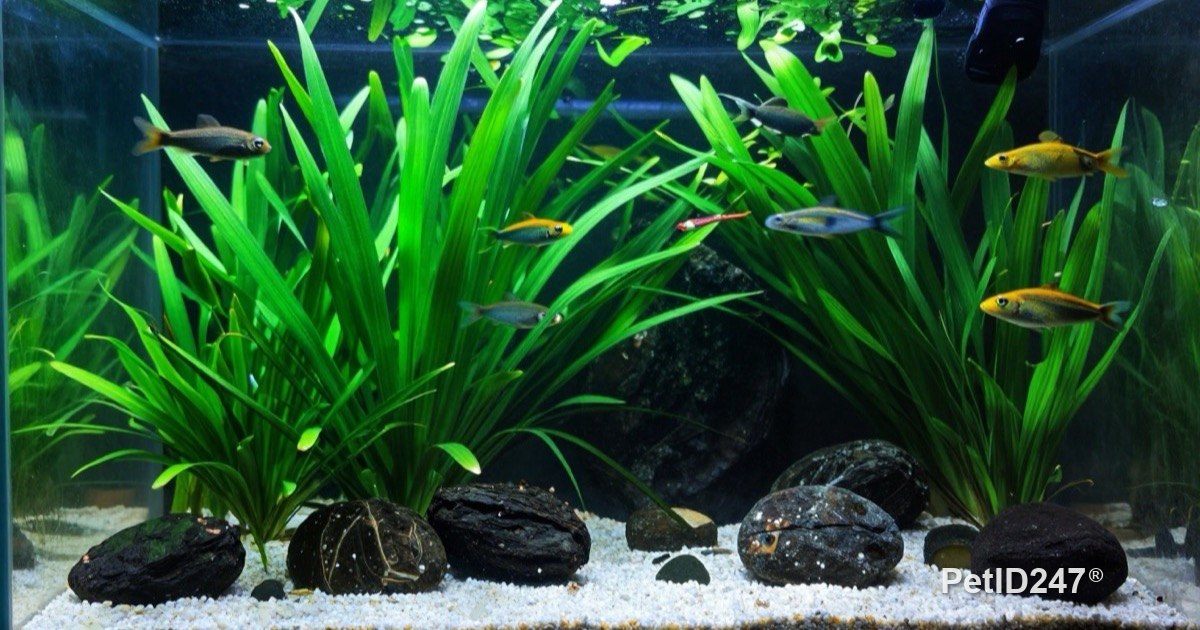
- Dense planting: Java moss, hornwort and floating plants let some fry hide. This is natural, but fewer fry survive.
When moving fry, scoop them up with water in a cup or spoon rather than a net, which can injure them.
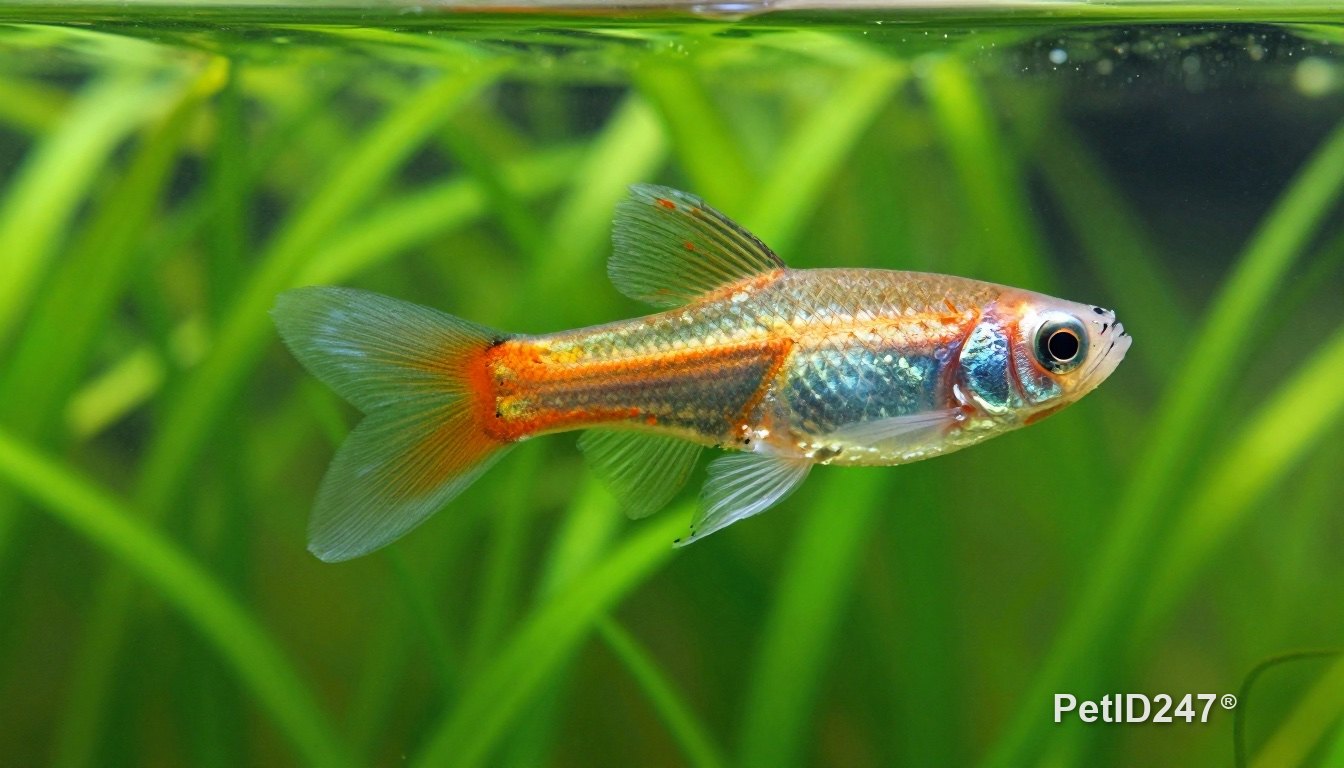
In the first few days, avoid tapping on the glass, moving the tank or switching lights on and off suddenly. Fry and eggs are very sensitive to vibration and changes in their surroundings. If you keep a livebearer, let the mother rest somewhere quiet after giving birth and feed her well so she regains her strength. With egg layers, eggs that turn white, cloudy or fuzzy are usually dead; you can gently remove them so fungus doesn't spread to healthy eggs.
Water conditions for fry
- Gentle filtration: use an air-driven sponge filter, or cover the filter intake with a sponge so fry don't get sucked in.
- Stable temperature: keep it within the range that suits the parent species and avoid swings. Fry cope with change less well than adults.
- Small, frequent water changes: fry eat many meals, so the water fouls quickly. Change small amounts often, using dechlorinated water at the same temperature. Siphon leftover food from the bottom carefully so you don't suck up fry.
- Moderate lighting: helps fry see their food, but there is no need to leave lights on day and night.
What to feed fry
Fry have tiny mouths, so food must fit. Suggestions by size, from smallest to largest:
- Microorganisms and infusoria: suitable for the fry of many egg-laying species in their first days of feeding. A well-planted tank with some algae growth also provides natural food.
- Fine powdered fry food: ready-made, or regular dry food crushed very finely.
- Newly hatched brine shrimp: very nutritious and fry love them. Many fishkeepers hatch brine shrimp eggs at home.
- Microworms and crumbled food: once the fry are a bit bigger.
The general rule: feed small amounts several times a day, only as much as the fry finish quickly. Leftover food is the leading cause of dirty water and fry deaths. Livebearer fry can usually eat fine powder straight away, while egg-layer fry need even smaller food in their first days.
Keeping an eye on growing fry
- Split them up when the tank gets crowded, because fry grow at different rates and bigger ones may eat or bully smaller ones.
- Only move fry into a community tank when they are too big to fit in other fish's mouths.
- Plan ahead for the number of fry: do you have enough tanks and space, or people willing to adopt them? Never release fish into ponds, lakes or canals.
- If you don't want your fish to keep breeding, consider keeping males and females separately.
Summary
To raise fry successfully, keep them away from adult fish, keep water clean and stable with gentle filtration, and feed food that is small enough, in several small meals a day. The fry of egg-laying species need extremely small food in their first days. If many fry die or show signs of illness, ask an expert or a veterinarian experienced with fish before using any product.
This article was prepared with the help of artificial intelligence tools and reviewed by the PetID247 editorial team before publication. It is for reference only and does not replace an examination by a veterinarian.