Betta Fish Care: Keeping Your Betta Healthy for Longer
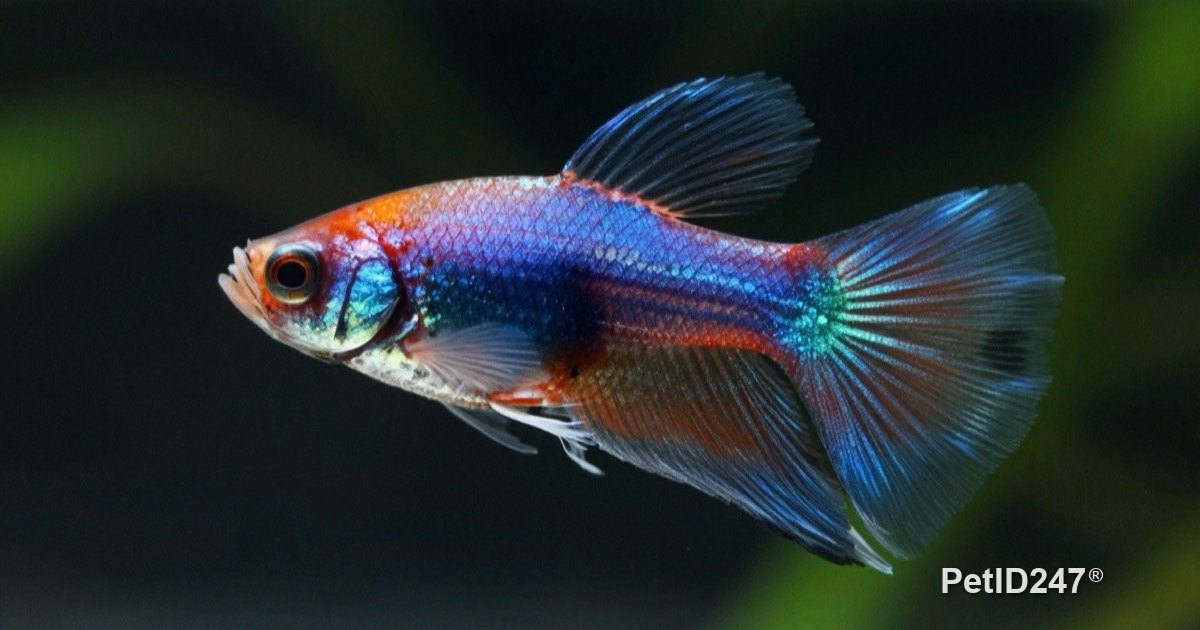
AI-generated illustration
Bettas do not belong in small cups of cold water. Tank size, temperature, food and routine care for a healthy betta with beautiful fins and a longer life.
The betta, also known as the Siamese fighting fish, is famous for its vivid colors and flowing fins. Bettas are often sold in small plastic cups, which leads many people to believe they can live in just a little water. In reality, bettas are far healthier and live much longer when they are kept properly.
Understanding the betta
Bettas originate from the warm, still waters of rice paddies, ponds and marshes in Southeast Asia. They have an extra breathing organ called the labyrinth organ, which lets them gulp air directly from the surface. This allows bettas to tolerate low-oxygen water, but it does not mean they are suited to living in small cups of dirty water.
Male bettas are very aggressive toward other males, which is why they are called fighting fish. With good care, their lifespan is typically around 3 to 5 years, as a guide.
Choosing a tank and equipment
Tank size
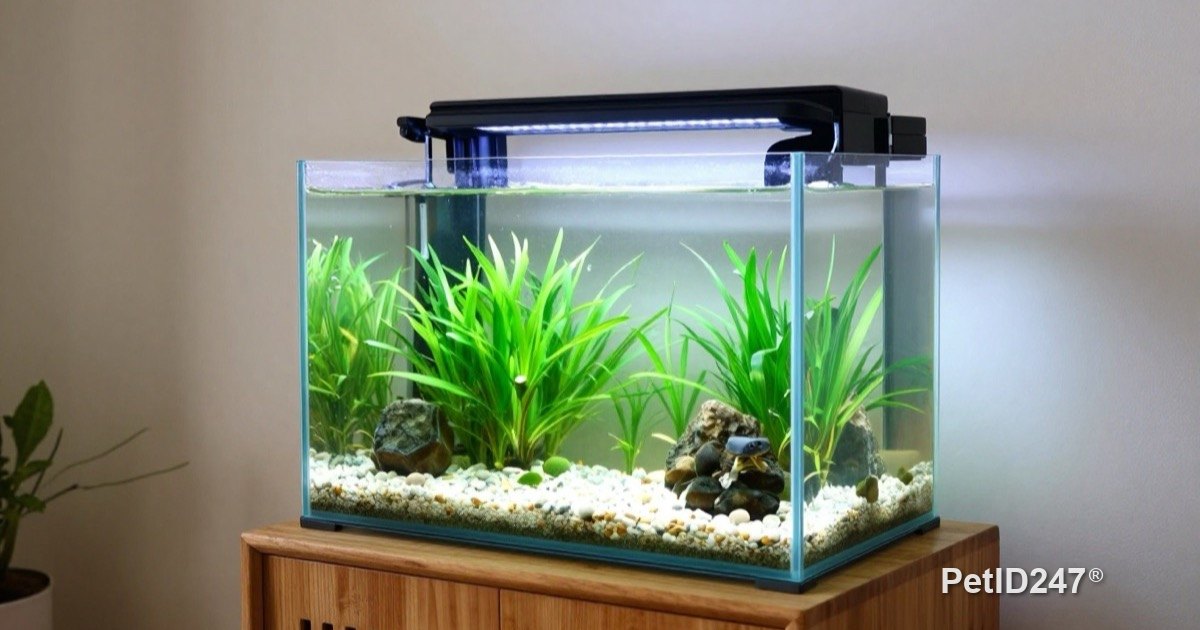
Many experienced keepers recommend a tank of at least around 10 liters for one betta, with around 20 liters being even better, as a guide. A larger tank keeps temperature and water quality more stable, so it is actually easier to care for than a small cup.
Temperature
Bettas are tropical fish that prefer stable, warm water of about 24 to 28°C, as a guide. In warm climates, room temperature is often enough. In cooler climates or during winter, the water can drop low enough to make the fish sluggish, eat poorly and fall ill more easily. In that case, use a heater with a thermostat and add a thermometer to monitor it. Avoid placing the tank in direct sunlight, which can heat the water quickly.
Filtration and water flow
A filter keeps the water clean and stable, but long-finned bettas are weak swimmers and dislike strong currents. Choose a gentle filter such as a sponge filter, or adjust the outlet so the flow is soft. A filtered tank still needs to be cycled before adding the fish so beneficial bacteria have time to develop.
Lid and decorations
- Use a lid, because bettas can jump out of the tank. Leave a gap between the water surface and the lid so the fish can gulp air.
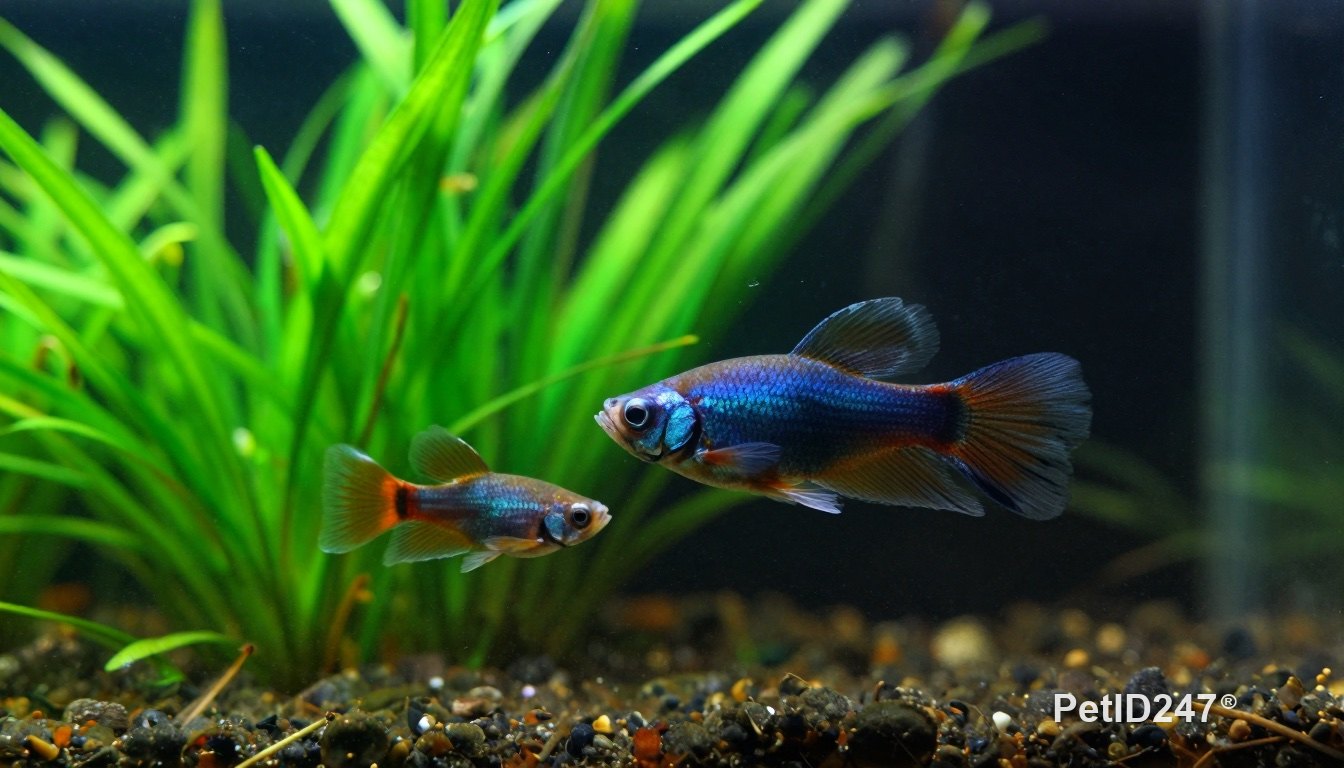
- Soft decorations: live plants, fabric plants and smooth driftwood. Avoid hard plastic ornaments with sharp edges that can tear fins.
- Resting spots near the surface: broad floating leaves or a shelter where the fish can rest.
Daily and weekly care
Feeding correctly
Bettas are carnivores that eat insect larvae and tiny creatures in the wild. Their diet can include:
- Pellets or flakes made specifically for bettas as the main food.
- Frozen or live foods such as blackworms, daphnia, mosquito larvae and brine shrimp, offered in rotation. Live foods should come from a known source, as they can carry disease.
A betta's stomach is very small. Feed once or twice a day, giving only as much as the fish can finish in about one to two minutes each time. Remove any leftover food. Many keepers give their betta one fasting day a week to rest its digestive system. Overfeeding is a common cause of bloating and dirty water.
Weekly water care
- Change part of the water each week, using dechlorinated water at a temperature close to the tank water.
- Gently siphon debris from the bottom.
- Clean the filter with water taken from the tank, not tap water.
- If you keep your betta in a small unfiltered tank, change the water more often and monitor it closely.
Tank mates and things to avoid
- Never keep two males in the same tank. They will fight until they are badly injured.
- Avoid keeping males with females unless you have experience pairing them. The male may attack the female.
- Avoid fin-nipping fish or fish with long fins and bright colors that a betta may mistake for a rival.
- If you want a community tank, choose a large enough tank with plenty of plants and peaceful tank mates, and always have a backup tank ready.
- Do not keep two male betta tanks side by side all day; seeing each other constantly stresses the fish. Brief periods of seeing each other, however, can encourage exercise.
When to see a vet
Monitor closely and seek help from someone qualified in fish health, or a veterinarian who treats ornamental fish, if your betta shows these signs:
- Frayed or torn fins, or fin edges turning black or white and getting shorter.
- White spots like grains of salt on the body or fins.
- A swollen belly with scales sticking out like a pinecone.
- Lying on the bottom, refusing food for several days, swimming sideways or struggling to keep balance.
- A cloudy, misty film on the body or unusually faded color.
Check the water and temperature first, since many problems start there. Do not medicate on your own or guess at amounts; any medicine should be used as directed by a qualified professional, and always read the product label.
This article was prepared with the help of artificial intelligence tools and reviewed by the PetID247 editorial team before publication. It is for reference only and does not replace an examination by a veterinarian.