UVB Lighting for Reptiles: Why and How to Set It Up
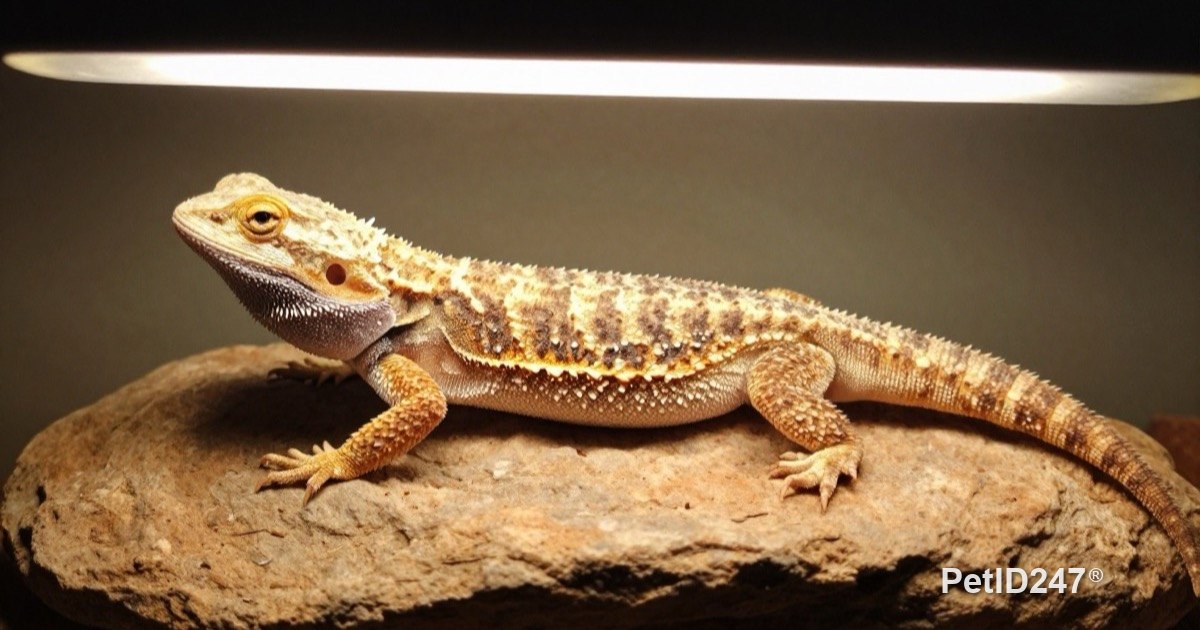
AI-generated illustration
Lack of UVB is a leading cause of bone disease in pet reptiles. What UVB does, how to choose a lamp, install it at the right distance and replace the bulb.
Many reptile keepers install a single heat bulb and assume that provides enough light. But for many species, the light must also contain UVB for the body to use calcium. A long-term lack of UVB is a common path to metabolic bone disease, a frequent problem in captive reptiles.
What UVB does for reptiles
Sunlight contains many kinds of rays. UVB helps a reptile's skin produce vitamin D3. Vitamin D3 is then needed for the gut to absorb calcium from food. Calcium keeps bones, shells and jaws strong, and is also involved in muscle and nerve function.
When UVB and calcium are lacking, the body draws calcium from the bones. The bones gradually soften and become deformed. This is metabolic bone disease. Proper lighting also helps reptiles maintain a natural daily rhythm, a healthy appetite and more natural behavior.
UVB needs vary by species:
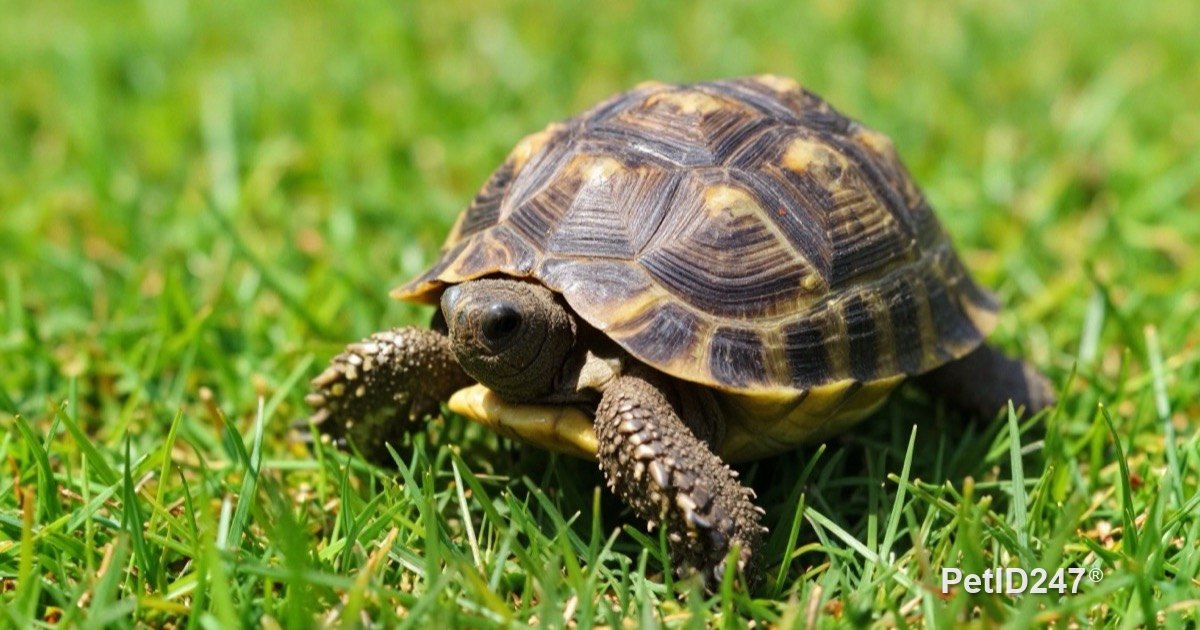
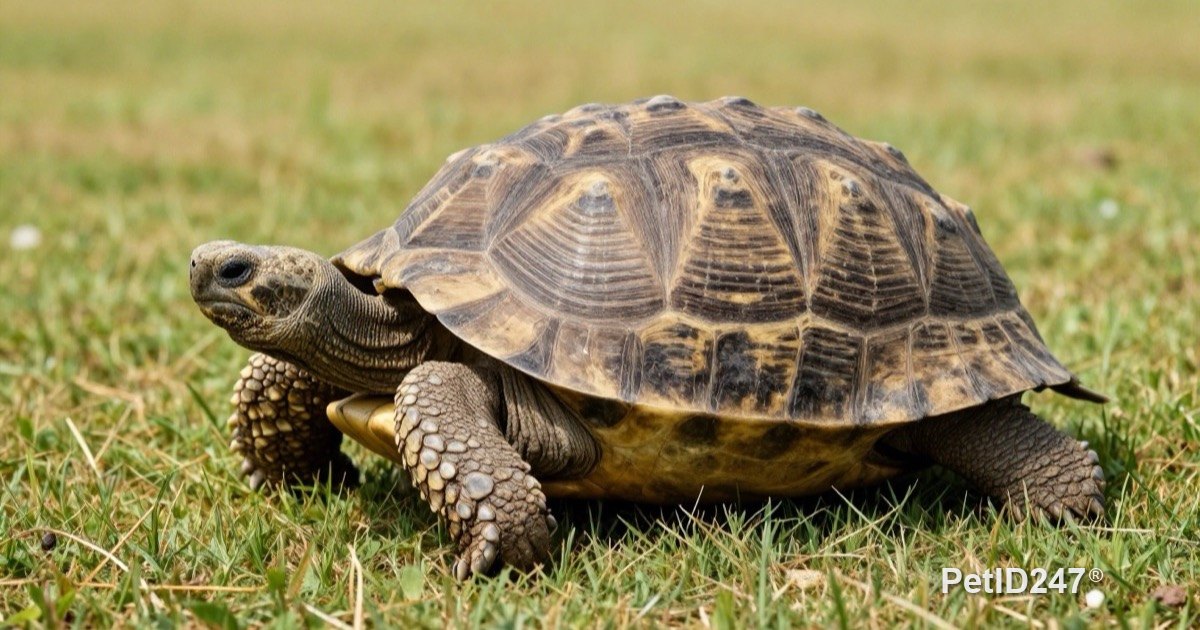
- Heavy baskers such as bearded dragons, monitor lizards, tortoises and many aquatic turtles: need fairly strong UVB.
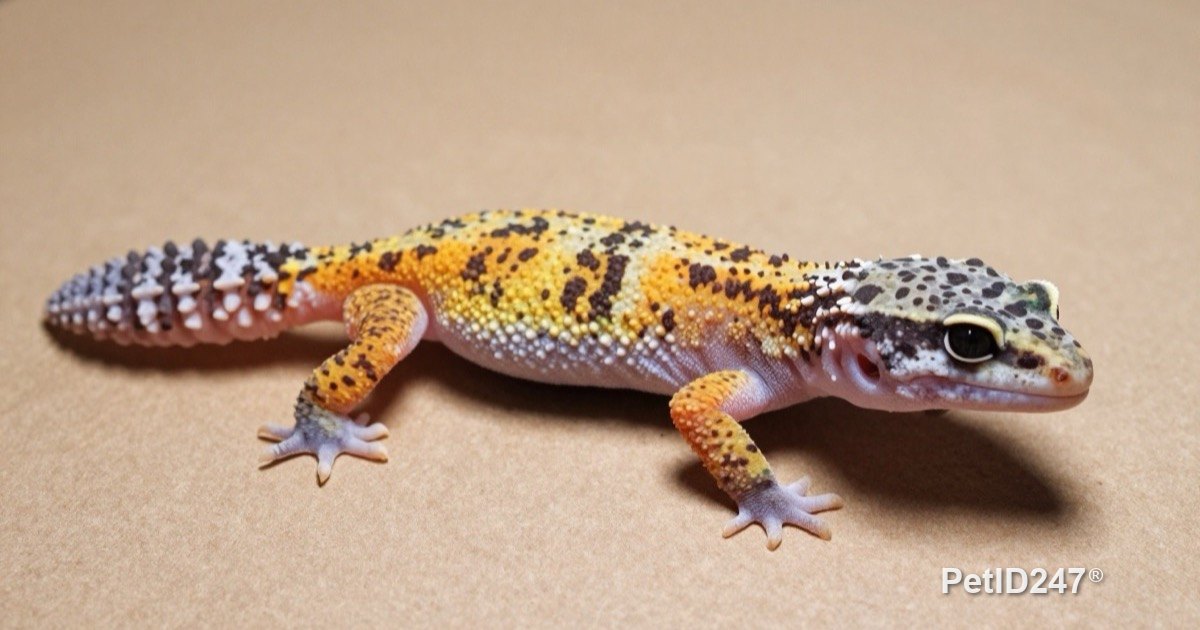
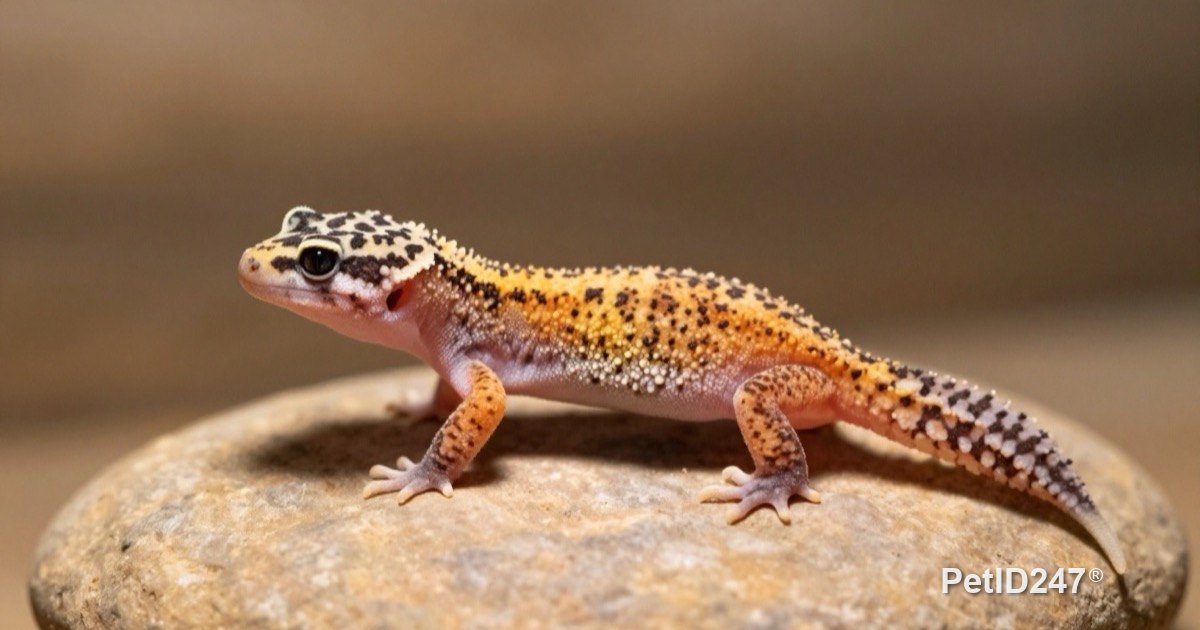
- Shade-dwelling or crepuscular species such as some geckos, including leopard geckos: need lower levels, but many keepers still provide mild UVB.
- Snakes: some species can live without UVB if their diet is complete, but mild UVB is still beneficial for many species.
Research the specific needs of your species before choosing a lamp.
Choosing a UVB lamp
- Linear fluorescent tubes: provide even coverage along the length of the enclosure and are the most common choice. Newer slim tubes usually give stronger output than older, wider tubes.
- Compact bulbs: small, but with a narrow beam, so they only suit small enclosures.
- Mercury vapor bulbs: produce both heat and UVB, suited to large, tall enclosures. They must be kept at the correct safe distance and usually must not be run through a thermostat or dimmer; follow the manufacturer's instructions.
Regular light bulbs, ordinary heat lamps and colored lights do not emit UVB. Choose a bulb clearly labeled for reptiles that states its UVB output.
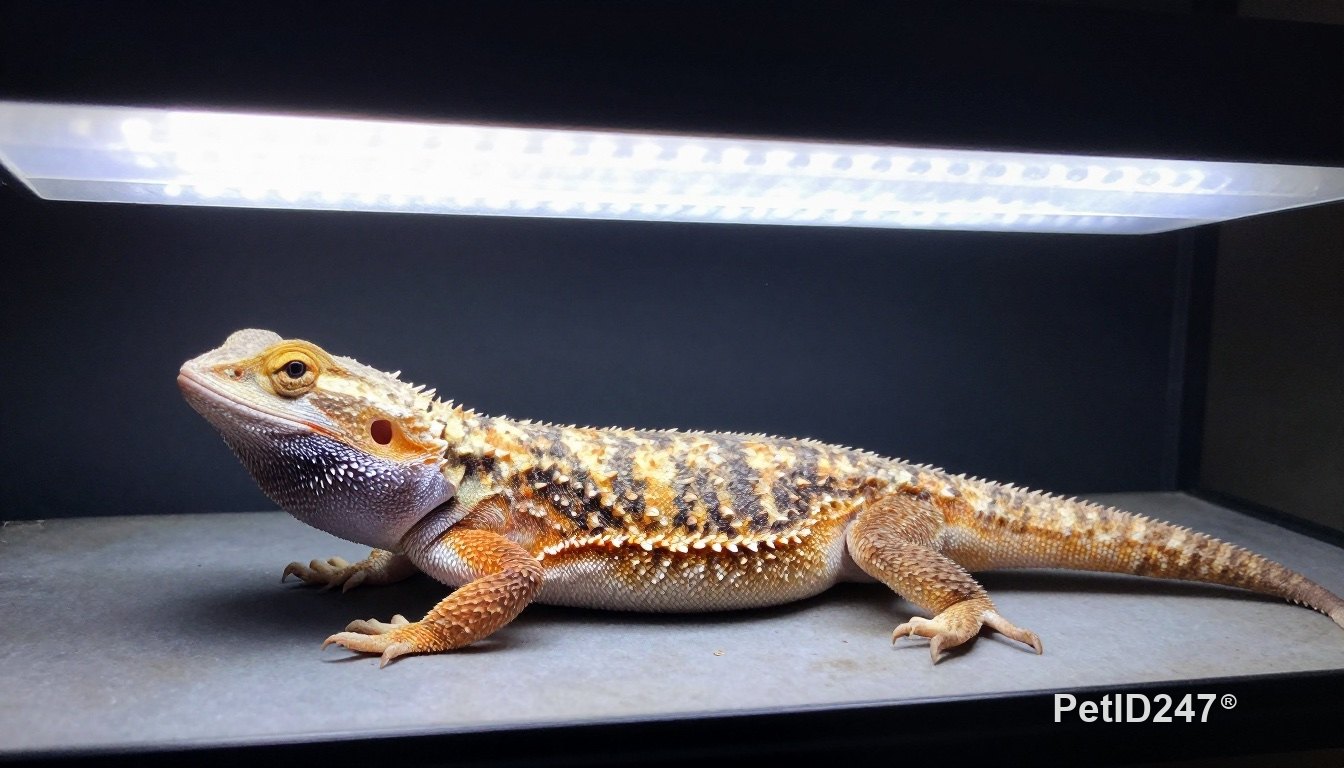
Installing the lamp correctly
No glass or plastic between the lamp and the animal
Glass and most clear plastics block almost all UVB. A lamp placed outside a glass lid, or basking through a window, has almost no effect. Metal mesh lets UVB through but still reduces it significantly, so the distance needs to be recalculated when the lamp sits on top of mesh.
Distance and coverage
- Follow the manufacturer's distance guidelines, measured from the bulb to where the animal usually basks.
- Place the UVB lamp on the same side as the heat lamp, since reptiles usually bask under the warm spot. That way they receive heat and UVB together, as they would in real sunlight.
- Light only part of the enclosure, typically about one half to two thirds of its length, as a guide, so there is always a shaded area the animal can retreat to.
- Provide basking spots at different heights so the animal can choose its level of exposure.
- Run the lamp on a daily cycle, usually about 10 to 12 hours a day, as a guide. Use a timer to keep it consistent.
Do not place it too close
Too much UVB is also harmful and can damage the eyes and skin. If your animal squints, keeps its eyes closed a lot or avoids the basking spot entirely, recheck the distance. Careful keepers can use a UV index meter to measure at the basking spot.
Replacing bulbs and natural sunlight
A UVB bulb keeps glowing, but its UVB output declines over time, and the human eye cannot detect this. Replace bulbs according to the manufacturer's recommended interval, usually somewhere between 6 and 12 months, as a guide, and write the installation date on the lamp base so you remember.
Direct outdoor sunlight is the best source of UVB. You can let reptiles bask in a mesh enclosure outdoors, but keep in mind:
- Always provide shade and water. Never bask them in a glass box or closed plastic tub, as heat builds up very quickly and can cause fatal heatstroke.
- Avoid harsh midday sun, supervise constantly, and watch out for cats, dogs and birds of prey.
- Outdoor basking is a supplement and cannot fully replace a lamp for species kept mainly indoors.
When to see a vet
UVB is only one part of the picture; diet and calcium are just as important. Calcium and vitamin D3 supplements should be used as directed by your veterinarian, and always read the product label, because too much vitamin D3 is also harmful. Take your reptile to an experienced veterinarian if you see signs that may point to metabolic bone disease:
- A soft, swollen or misaligned lower jaw; difficulty eating.
- Swollen or bent legs, difficulty walking, or dragging the body.
- Trembling, muscle twitching or weakness.
- A soft, lumpy or unevenly growing tortoise or turtle shell.
- Broken bones without any significant impact.
Early detection greatly improves the chances of recovery. At the same time, review all lighting, temperatures and diet to fix the root cause.
This article was prepared with the help of artificial intelligence tools and reviewed by the PetID247 editorial team before publication. It is for reference only and does not replace an examination by a veterinarian.