Tortoise Care Basics: Sunlight, Heat and Diet
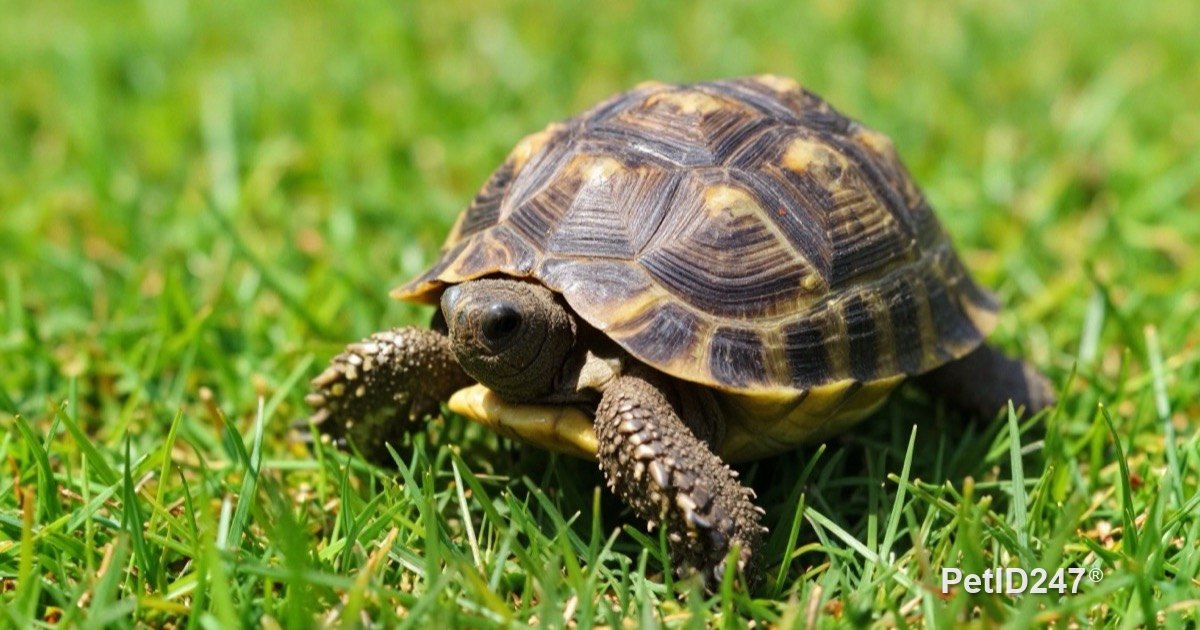
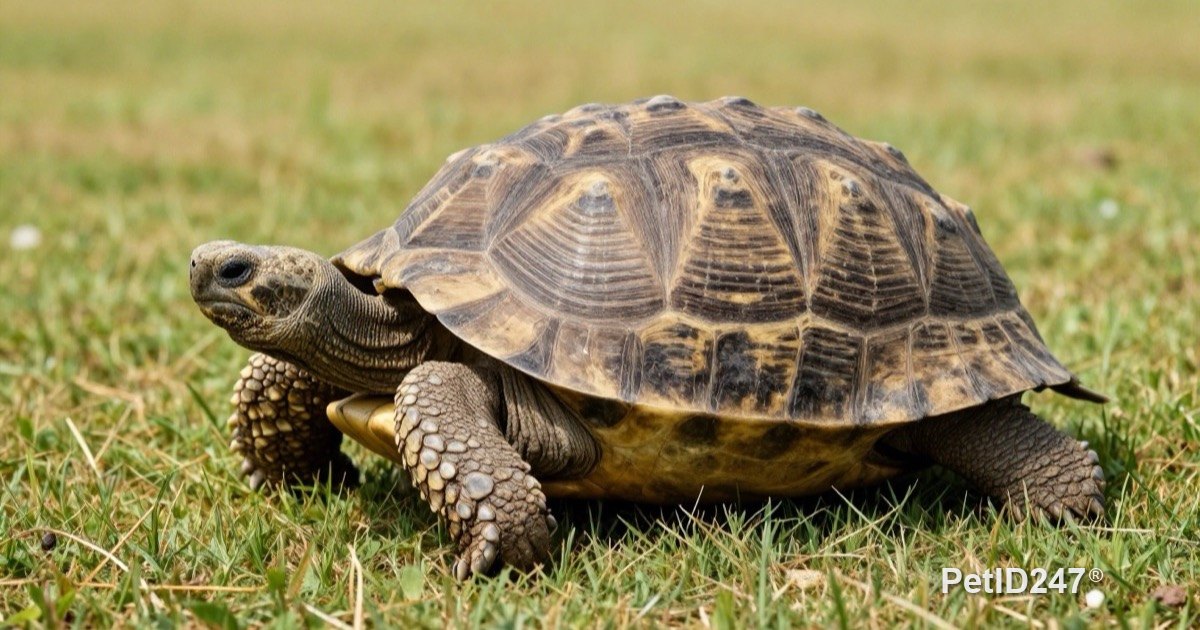
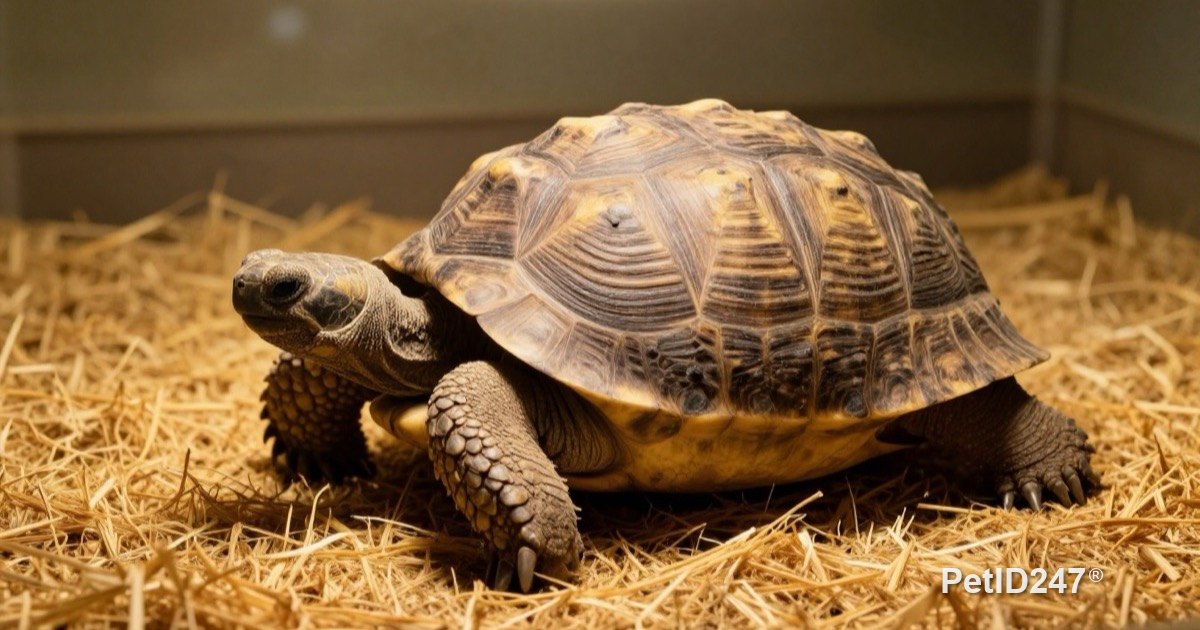
AI-generated illustration
Tortoises need sunlight, a basking area, a high-fiber diet and a legal origin. The basics to know before bringing a tortoise home.
Tortoises look slow and easy to keep, but they have quite specific needs for light, temperature and food. Many tortoises develop soft or deformed shells, or become weak, simply because they lack sunlight or eat the wrong diet. Tortoises can also live a very long time, so before getting one, make sure you are ready for long-term care.
Before you buy: origin and paperwork
Many turtle and tortoise species are threatened in the wild and protected by law. Some native species may not be kept or traded without a permit.
- Buy only from legal sources: captive-bred animals with paperwork proving their origin.
- Never take tortoises from the wild, and do not buy animals of unknown origin, even if they are cheap.
- Check the rules where you live for the species you plan to keep.
- Know the exact species, because temperature, humidity and dietary needs vary. Some species come from dry regions, others from humid forests.
- Plan for adult size. Some popular tortoise species grow very quickly and need a large yard as adults.
If you can no longer keep your tortoise, do not release it into the wild. Contact your local wildlife authority or a rescue center for guidance.
Light, temperature and housing
Sunlight and UVB
Tortoises need UVB light to produce vitamin D3, which helps the body absorb calcium. Without UVB for long periods, tortoises are prone to metabolic bone disease: a soft shell, a lumpy, uneven shell, weak legs and a deformed beak.
- Natural sunlight is best. Let your tortoise bask in direct sunlight regularly, in a safe, fenced area.
- Sunlight through glass does not work, because glass blocks most UVB.
- Always provide shade and water while basking. Tortoises can overheat very quickly under harsh midday sun in hot climates, especially in a box or closed container.
- For indoor housing, use a UVB lamp made for reptiles, installed at the correct distance according to the manufacturer's instructions, and replace the bulb regularly.
Temperature and enclosure
Tortoises are cold-blooded and move between warm and cool spots to regulate their body temperature. The enclosure should include:
- A basking area: a warm spot under a heat lamp, usually around 30 to 35°C for many species, as a guide.
- A cooler area: the rest of the enclosure stays cooler, roughly between 20 and 30°C, as a guide, depending on the species.
- Thermometers at both ends to measure, rather than guess.
- A hide: a burrow or wooden box where the tortoise can rest.
- Substrate suited to the species: soil mix, coconut fiber or hay. Keep it more humid for forest species and drier for arid species.
- Plenty of space: tortoises need to walk a lot. A small glass tank is usually not enough; a fenced garden is a good option when the weather allows.
At night the temperature can drop naturally, but avoid deep cold and drafts, especially in winter.
What to feed a tortoise
Most popular tortoise species are herbivores and need a diet high in fiber and low in protein and sugar.
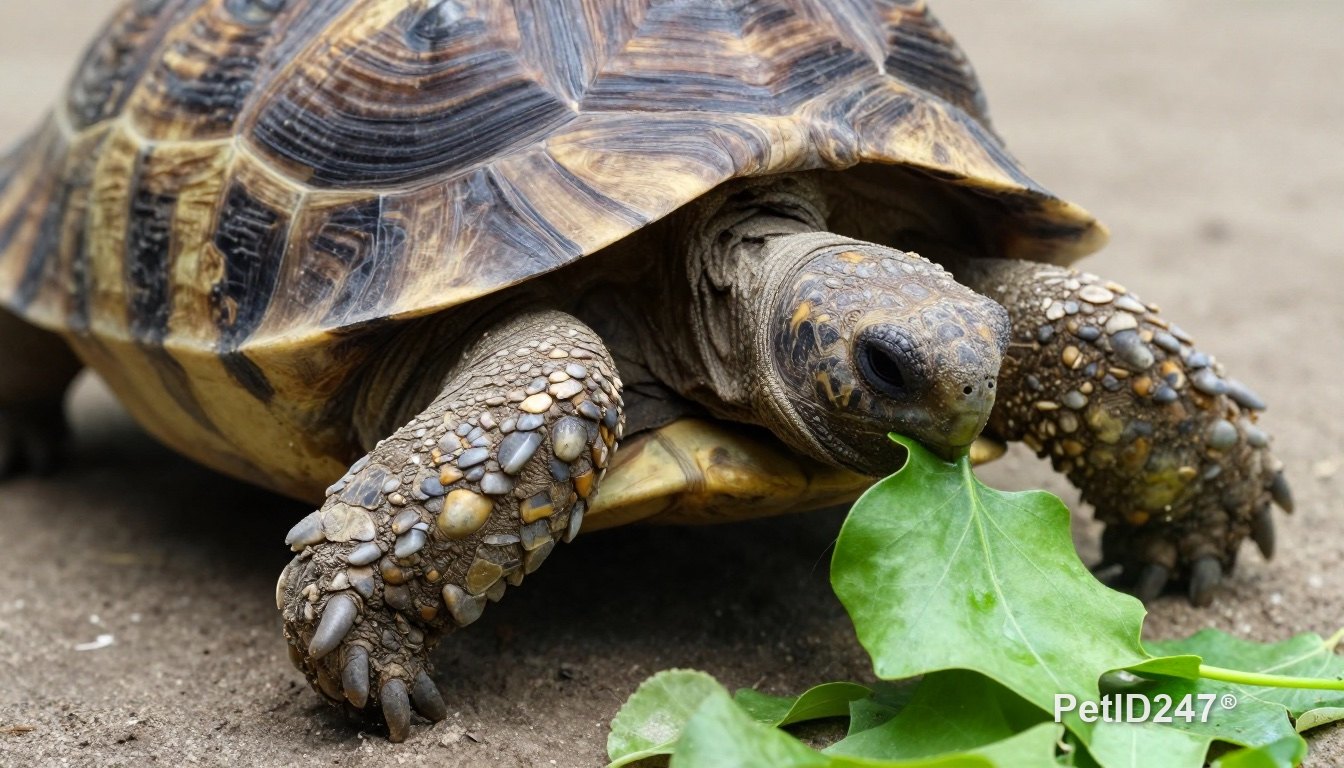
- The main diet: grasses, green leaves, safe wild greens and edible flowers such as hibiscus. Arid species need plenty of hay and fresh grass.
- Supplementary greens: dark leafy greens, varied and rotated often.
- Fruit: limit or avoid for arid species; some forest species can eat fruit and a little animal protein as part of their species-specific diet.
- Avoid: dog or cat food, human food, bread, rice, sweets, and meat for herbivorous species.
Calcium is an essential nutrient. Calcium or vitamin powder supplements should be used as directed by your veterinarian, and always read the product label. Always provide a clean, shallow water dish, shallow enough that the tortoise cannot flip over or drown. Tortoises are poor swimmers, so never put them in deep water.
Hygiene and human safety. Reptiles, including tortoises, can carry Salmonella bacteria while appearing perfectly healthy. Wash your hands with soap after touching your tortoise, its food or its enclosure; do not clean its items in the kitchen sink; and young children should be supervised by an adult when handling a tortoise.
When to see a vet
Take your tortoise to a veterinarian experienced with reptiles if you notice:
- Prolonged loss of appetite or lethargy even when the enclosure is warm enough.
- Swollen or tightly closed eyes, nasal discharge, open-mouth or noisy breathing.
- A soft or lumpy shell, an overgrown or misaligned beak, or legs too weak to lift the body.
- Cracks, ulcers, a bad smell or discharge on the shell.
- Prolonged diarrhea, worms in the feces, or tissue protruding from the vent.
Reptiles tend to show illness slowly, so once signs are obvious, do not wait any longer.
This article was prepared with the help of artificial intelligence tools and reviewed by the PetID247 editorial team before publication. It is for reference only and does not replace an examination by a veterinarian.