Senior Reptiles: Changes to Watch For
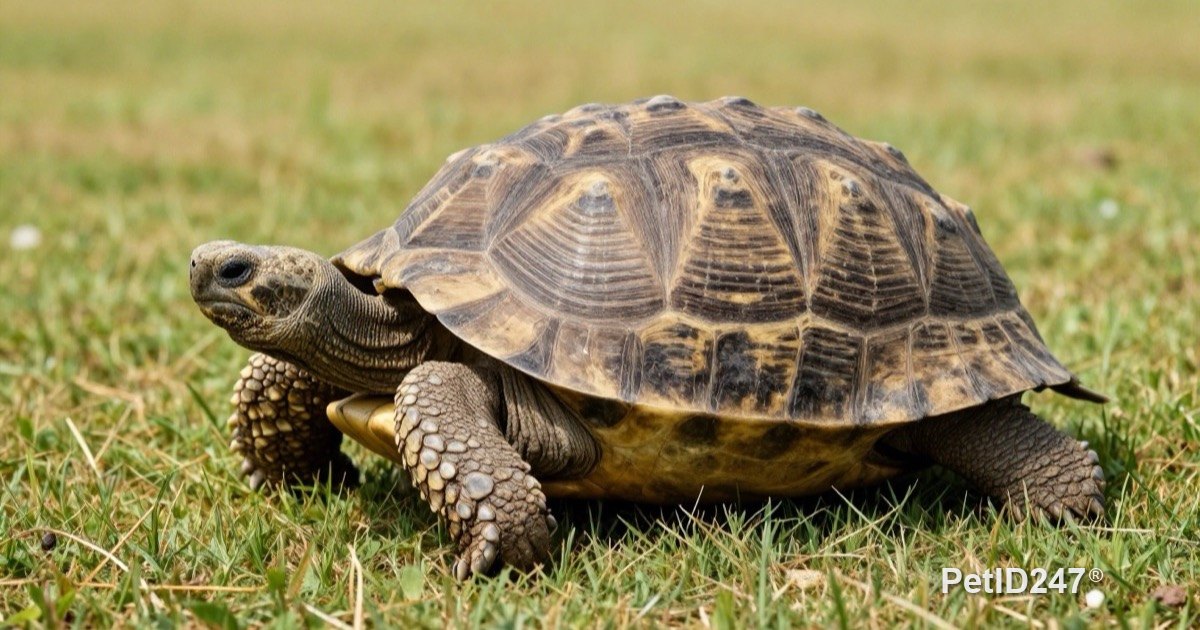
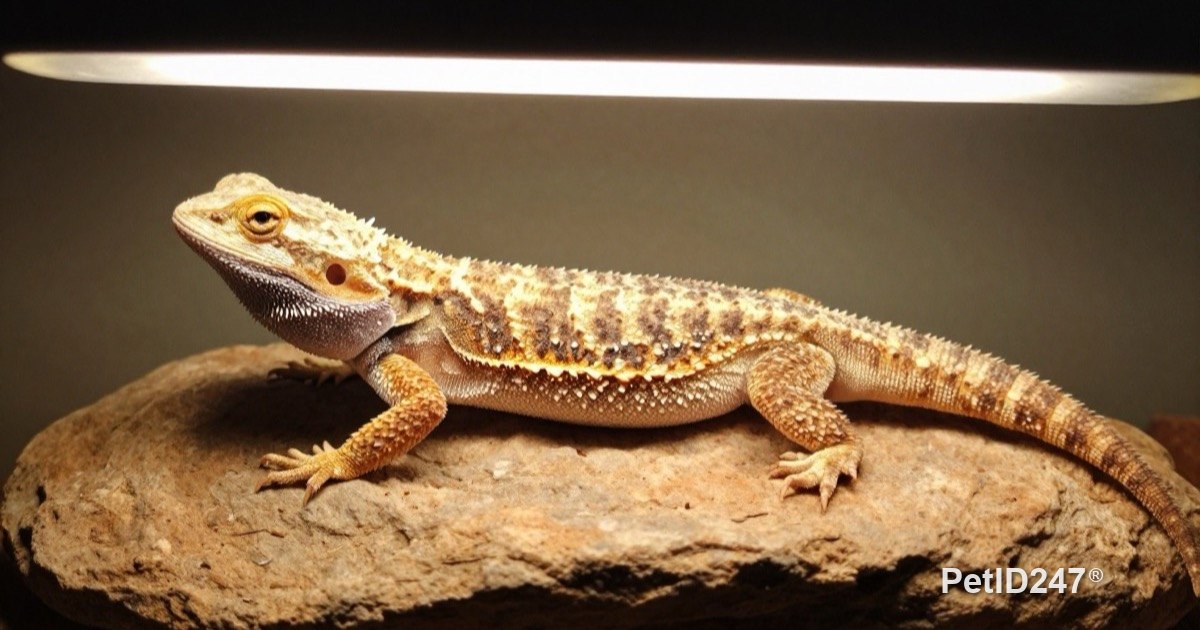
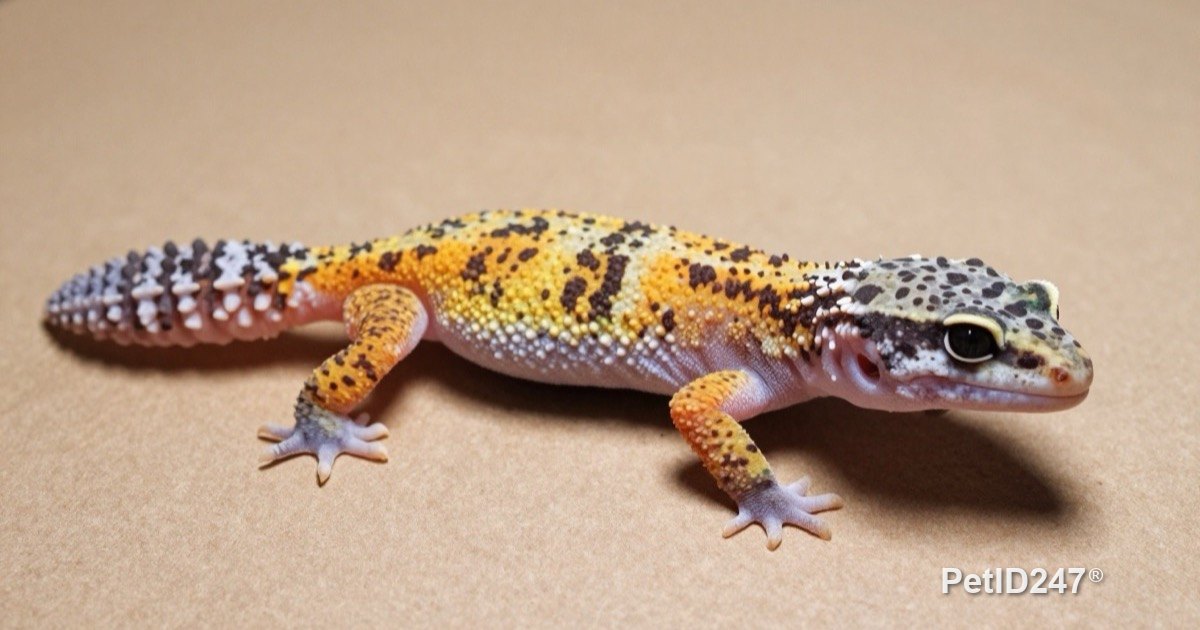
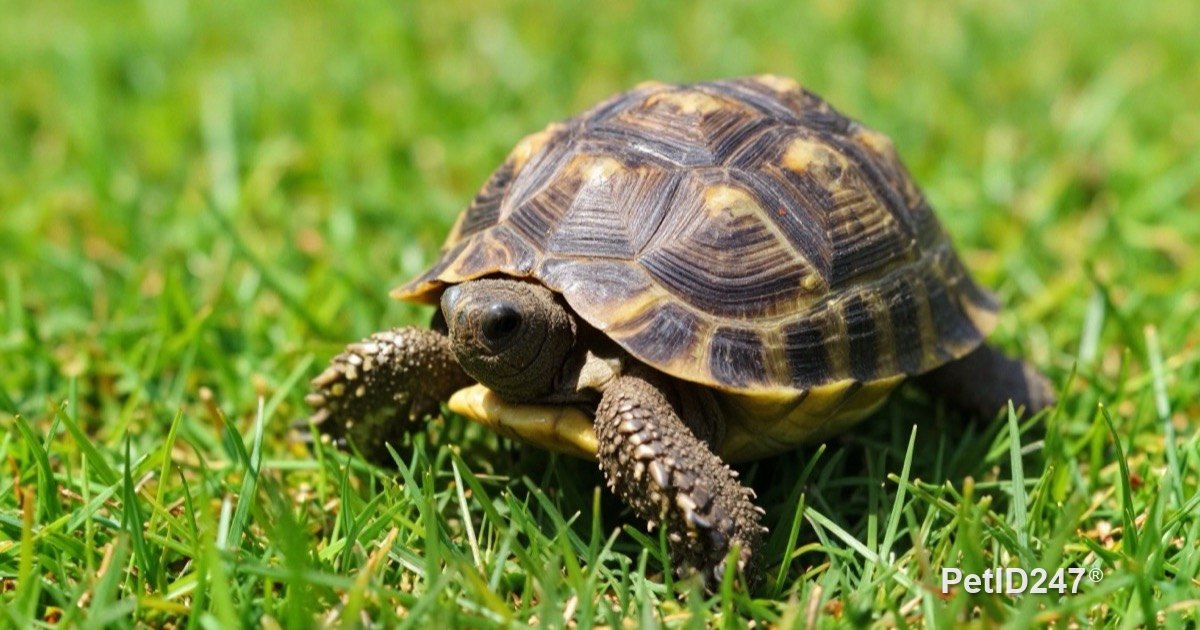
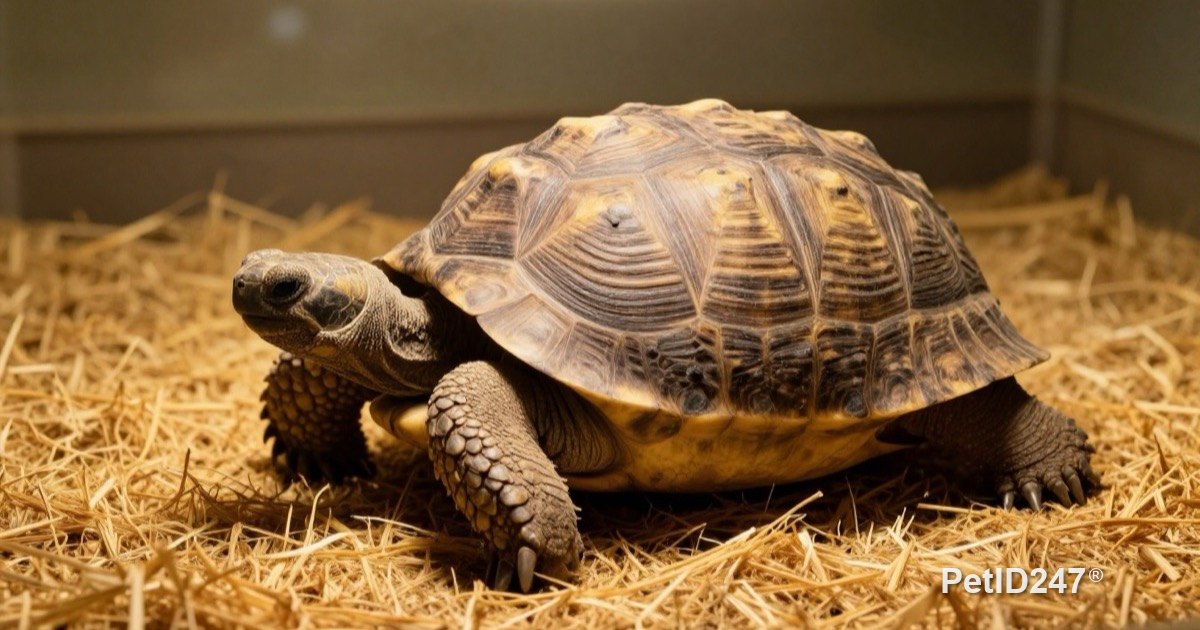
AI-generated illustration
Many reptiles live for decades. As they age they eat less, move more slowly and are prone to chronic illness. Learn how to spot changes and adjust their care.
Well-cared-for turtles, snakes and lizards can live a very long time, and some species stay with their owners for several decades. Older reptiles don't show obvious signs of age the way dogs and cats go gray, so many changes happen quietly. Knowing what usually happens as reptiles age helps you keep them comfortable in their later years.
When is a reptile considered old?
There is no single age that applies to every species. Lifespans vary enormously: some small lizards live around ten years, many snakes and lizards live a few decades, and some turtles can outlive their owners. A simple guide is that once an animal has passed about two-thirds of its species' typical lifespan, you should start watching for signs of aging. If you don't know your animal's exact age, a veterinarian can help estimate it.
Common changes
- Eating less and more slowly: metabolism slows, so food needs drop. But refusing food for a long time is not a normal part of aging.
- Moving less: climbing and walking less, basking for longer.
- Weight changes: some gain weight by eating as before while moving less; others lose weight and muscle.
- Stiff joints: slower movement, difficulty climbing, and possibly swollen joints.
- Poorer eyesight: cloudy eyes, missing prey several times.
- Less frequent shedding, sometimes uneven.
- Older females may develop reproductive problems such as difficulty laying eggs or retained eggs.
- Chronic disease: kidney and liver disease, tumors and mouth problems tend to be more common in older animals.
Adjusting the enclosure
- Make everything easier to reach: lower the basking spot and add rough ramps instead of steep, high branches. For older aquatic turtles, consider lowering the water level and making the route to the basking area more gradual.
- Reduce the risk of falls: remove some high branches, use stable furnishings and a flat, soft floor.
- Keep temperatures stable: older reptiles cope less well with temperature swings. Check thermometers often, especially when the seasons change.
- Keep up suitable UVB lighting for the species and replace lamps as recommended on the product label, because older bones still need calcium absorbed properly.
- Easy-to-reach water: a shallow dish that is easy to climb in and out of, placed near where the animal usually rests.
- Easy-to-enter hides: wider openings with no climbing required.
Adjusting the diet
- Reduce energy-rich food if the animal is gaining weight, following your veterinarian's advice. For insect-eating lizards, limit fatty worms.
- Offer smaller, softer prey and pieces of greens if the animal has mouth problems or poor eyesight.
- Feed in a familiar, easy-to-see spot; a shallow dish helps animals with poor eyesight find food.
- Supplement calcium and vitamins as directed by your veterinarian; an older animal's needs may differ from when it was young, especially with kidney disease. Read the product label carefully and don't increase amounts on your own.
Monitoring at home and regular checkups
Reptiles are very good at hiding illness, so regular monitoring matters most:
- Weigh regularly and keep records. Gradual weight loss is an early warning sign.
- Note how much the animal eats, how often it passes droppings and when it sheds.
- Check the eyes, mouth, nose, skin, shell and vent when handling the animal.
- Take the animal for regular health checks with a veterinarian experienced with reptiles. For older animals, the vet may suggest blood tests or X-rays to catch disease early.
If you can no longer care for an older reptile, find a responsible new home. Never release a reptile into the environment: an old, weak animal has almost no chance of survival and may spread disease to native wildlife. When adopting an older reptile from someone else, make sure it comes from a legal source with paperwork.
When to see a vet
Take your senior reptile to a veterinarian experienced with reptiles when:
- It refuses food for a long time or loses noticeable weight even though the enclosure is right.
- It drinks unusually much, urinates more, or its urates (the white part of the waste) change color or texture.
- It has lumps or swelling on the body, joints or jaw.
- Its mouth has white patches, discharge or a bad smell, or its eyes are swollen or cloudy.
- It has difficulty breathing, breathes with its mouth open or wheezes.
- A female is straining without passing eggs, has a swollen belly or is lethargic.
- It becomes much weaker, is paralyzed or can no longer reach its basking spot.
This article was prepared with the help of artificial intelligence tools and reviewed by the PetID247 editorial team before publication. It is for reference only and does not replace an examination by a veterinarian.