Do Turtles Need to Hibernate? Keeping Them Safe
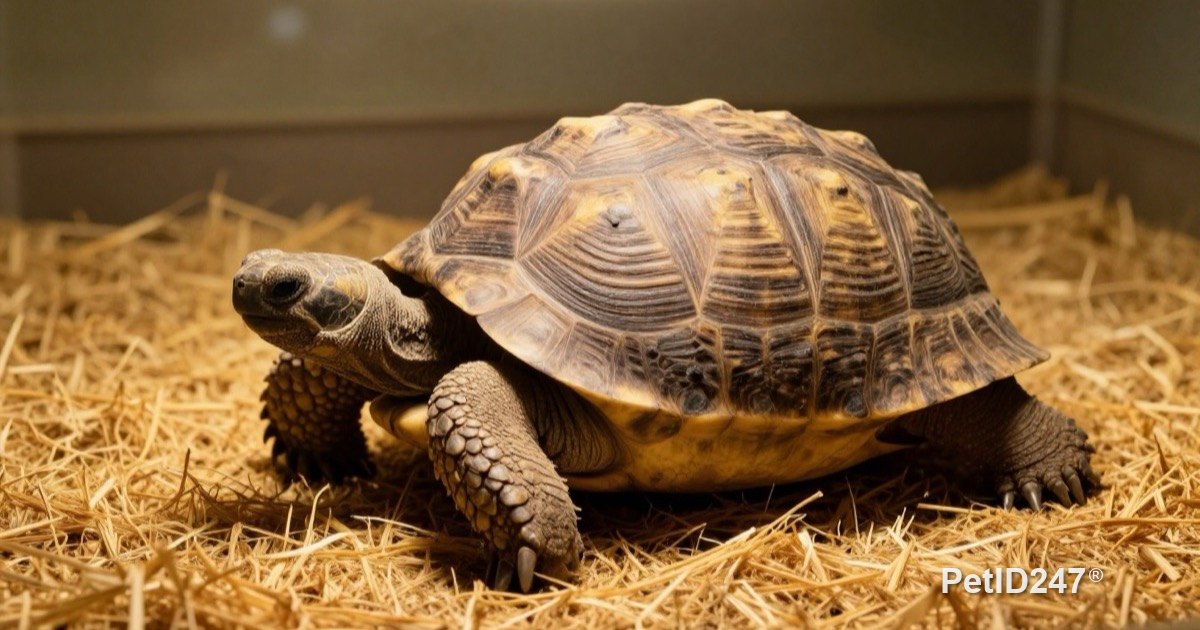
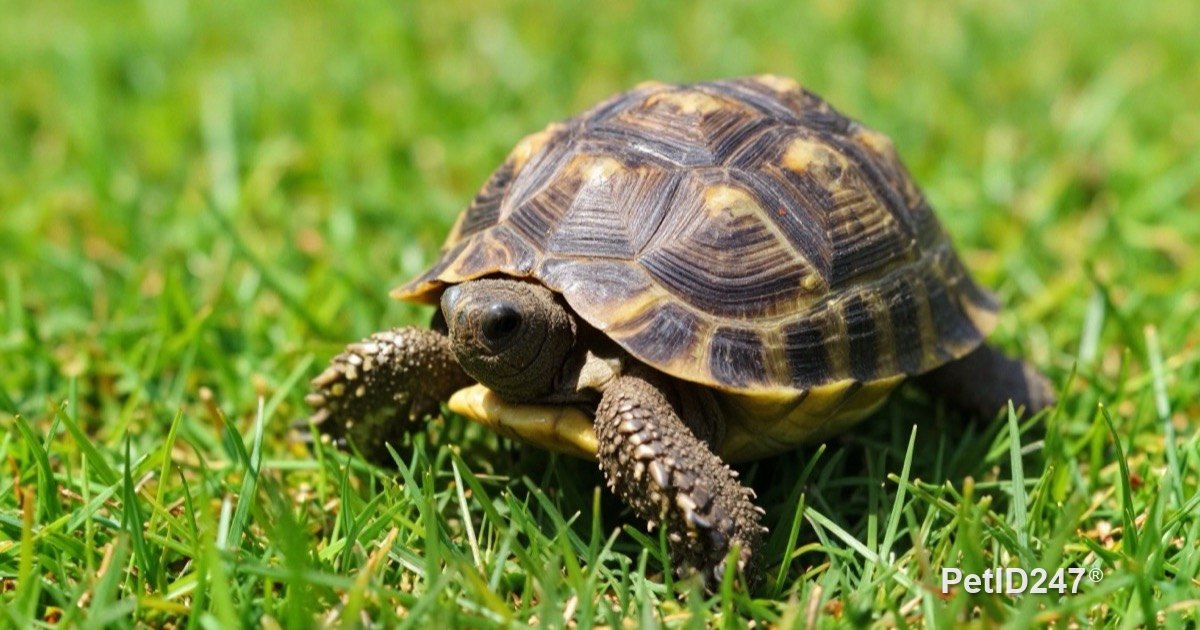
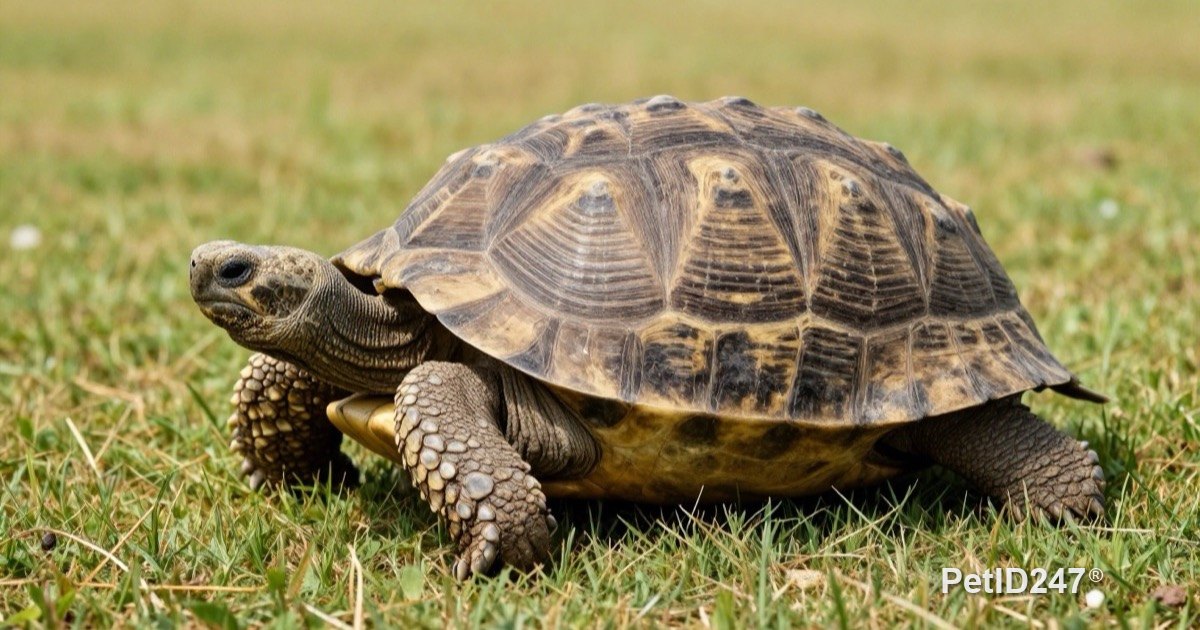
AI-generated illustration
Not every turtle species hibernates, and getting it wrong can kill a turtle. Learn how to tell a resting turtle from a sick one and how to care for turtles through cold weather.
When cold weather arrives, your turtle suddenly eats less and lies still all day. Many people assume it is hibernating and leave it alone. But not every turtle species hibernates, and a sluggish turtle may be sick rather than resting. Understanding the difference helps you avoid some sad mistakes.
What is hibernation in turtles?
In reptiles, the cold-season rest period is often called hibernation or brumation. As temperatures fall and days shorten, some turtle species from regions with cold winters eat less, move less and slow their metabolism to get through the period when food is scarce. It is a survival mechanism, not something every turtle needs.
Which species hibernate and which don't
- Tropical turtles: many turtle species from tropical regions don't hibernate. Exposing them to prolonged cold is dangerous and can weaken them and lead to pneumonia.
- Temperate turtles: some tortoises and aquatic turtles from regions with cold winters may hibernate in the wild. Some commonly kept aquatic turtles belong to this group.
- In captivity: even for species that can hibernate, whether your turtle should depends on its health, age and weight, and on your ability to control temperature.
If you don't know for sure which species you have, ask a reptile veterinarian before deciding anything. And remember: only buy turtles from a legal source with paperwork, never take them from the wild, and never release a turtle into a pond when it gets cold or when you no longer want it.
Why you shouldn't hibernate a turtle on your own
In the wild, turtles choose overwintering spots where the temperature is stable. Indoors, conditions are much harder to control. Common risks include:
- Fluctuating temperatures: warm spells and cold snaps wake the turtle mid-rest, so it burns energy without being able to eat and gradually becomes exhausted.
- Too much cold: can damage the eyes and nervous system, and can even kill.
- Sick or underweight turtles: don't have enough energy reserves to get through the rest period. Hidden illnesses also worsen as immunity drops in the cold.
- Food left in the gut: if a turtle enters the rest period before its gut is empty, food can ferment and rot inside it.
- Dehydration: turtles need to stay hydrated throughout this period.
So if you want a species that can hibernate to have a winter rest, follow a specific plan from a reptile veterinarian, including a health check beforehand, preparation with a fasting period, a resting place with a stable temperature, and regular weighing to monitor the turtle.
Caring for turtles through cold weather
For most keepers, the safest approach is to keep the turtle active as normal throughout the cold season:
- Maintain temperatures: use a heat lamp for the basking spot and a thermostatic heater for aquatic tanks. Check thermometers daily when the weather turns cold.
- Keep a lighting schedule: UVB and heat lamps on a fixed timer so the turtle keeps its daily rhythm.
- Block drafts: move outdoor enclosures to a sheltered spot, and keep tanks away from cold windows.
- Monitor eating and weight: weigh your turtle regularly and keep records. Clear weight loss is a sign it needs a vet visit.
- Keep the water clean: aquatic turtles still need regular water changes and filtration.
If you live somewhere with a clearly cold winter and keep turtles in a yard, small pond or on a balcony, prepare an indoor space before the weather turns. Don't wait until the turtle is already chilled to move it. Once indoors, warm it up gradually and don't put it right next to a strong heat source. A turtle that has just been through a cold spell should have its eating closely watched for a few weeks afterward.
Telling a resting turtle from a sick one
Both cold and sick turtles can eat little and lie still. So don't assume your turtle is hibernating, especially if the enclosure is properly heated and the turtle is still sluggish. Watch for accompanying signs of illness such as a runny nose, wheezing, open-mouth breathing, swollen eyes, lopsided swimming, a soft shell or patches of shell rot.
When to see a vet
Take your turtle to a veterinarian experienced with reptiles when:
- It stops eating and is sluggish even though the enclosure is warm enough.
- It has a runny nose, bubbles from the nose, wheezing or open-mouth breathing.
- Its eyes are swollen or shut, or an aquatic turtle swims lopsided or can't dive.
- It has lost a noticeable amount of weight.
- You want your turtle to hibernate and need a health check and plan first.
- It has been through a rest period and won't start eating again after being warmed up.
This article was prepared with the help of artificial intelligence tools and reviewed by the PetID247 editorial team before publication. It is for reference only and does not replace an examination by a veterinarian.