Senior Cats: Changes to Watch For as Your Cat Ages
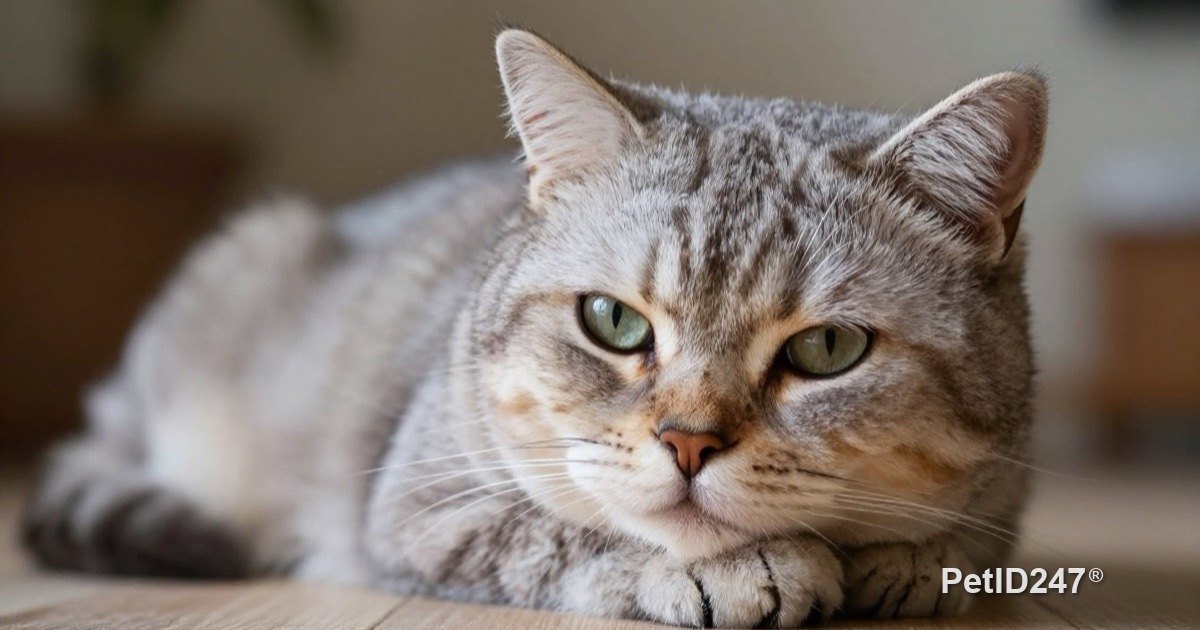
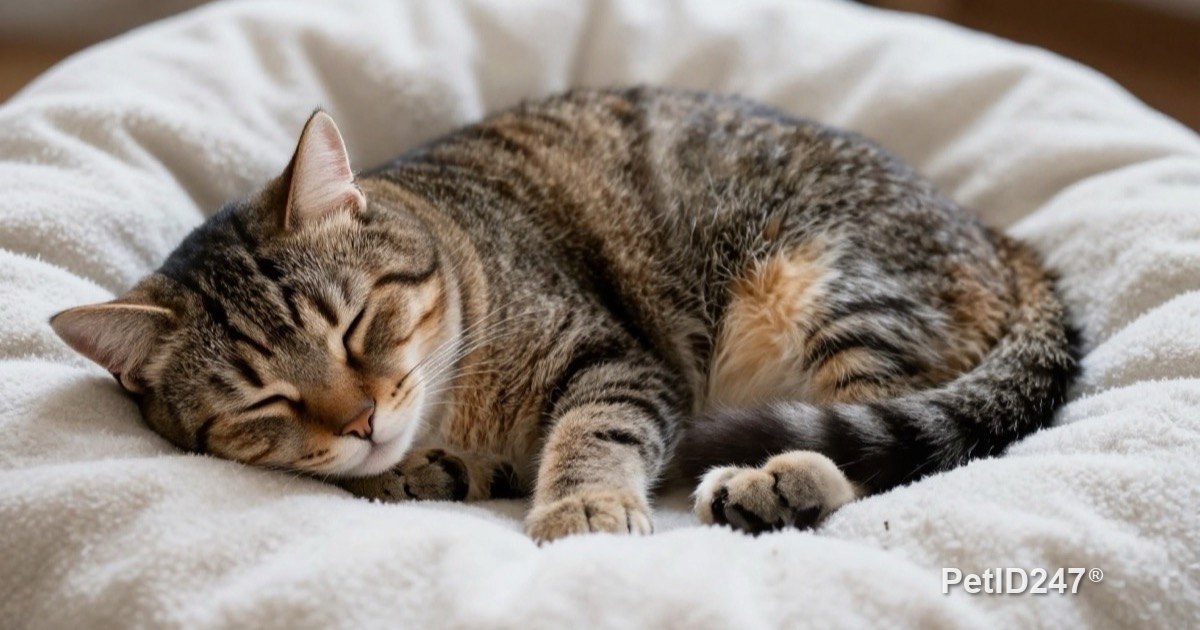
AI-generated illustration
Older cats hide illness well. Spotting changes in weight, appetite, toileting, mobility and behavior early helps senior cats live healthier, more comfortable lives.
Cats today live longer than before thanks to better care, and many live past 15. But cats are very good at hiding illness, so many changes happen quietly. As your cat enters old age, your observations at home are the most effective tool for catching disease early.
When is a cat considered senior?
Every cat ages differently, but many veterinarians consider cats from about 10–11 years and older to be senior, and from about 15 years to be geriatric. From around 7 years old, cats enter middle age, which is when it pays to start watching more closely.
For senior cats, many veterinarians recommend more frequent check-ups, commonly about every 6 months, which may include blood tests, urine tests and blood pressure measurement. The exact schedule should be adjusted by your veterinarian to suit each cat.
Changes to watch for
Weight and appetite
- Gradual weight loss is a sign that is very often missed because it happens slowly. Weigh your cat regularly, for example once a month, and keep a record.
- A cat that eats more but still loses weight may have hyperthyroidism or diabetes.
- A cat that eats less, chews on one side, drops food, drools or has bad breath often has dental disease.
Drinking and toileting
- Drinking more and urinating more: urine clumps in the litter box are bigger and more frequent than before. This is a common sign of chronic kidney disease, diabetes or hyperthyroidism.
- Constipation and dry, hard stools: more common in older cats.
- Toileting outside the litter box: this may be because joint pain makes it hard to step over the side of the box, not because the cat is misbehaving.
Mobility
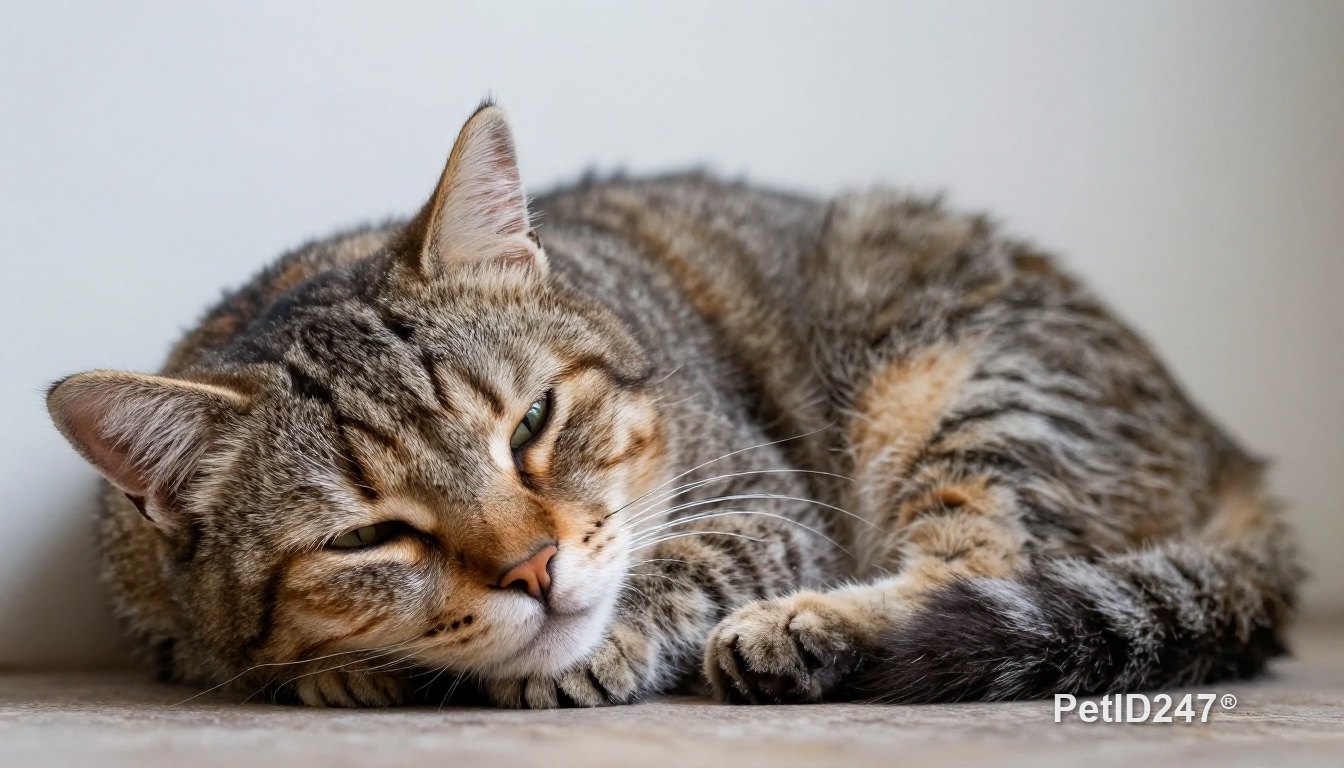
Arthritis is very common in cats but often goes unnoticed, because cats rarely limp obviously. Instead, you may notice your cat:
- Jumps onto the bed, table or windowsill less than before, or climbs up in stages.
- Hesitates on stairs.
- Sleeps more and plays less.
- Grooms less, especially over the back and hips, so the coat looks scruffy.
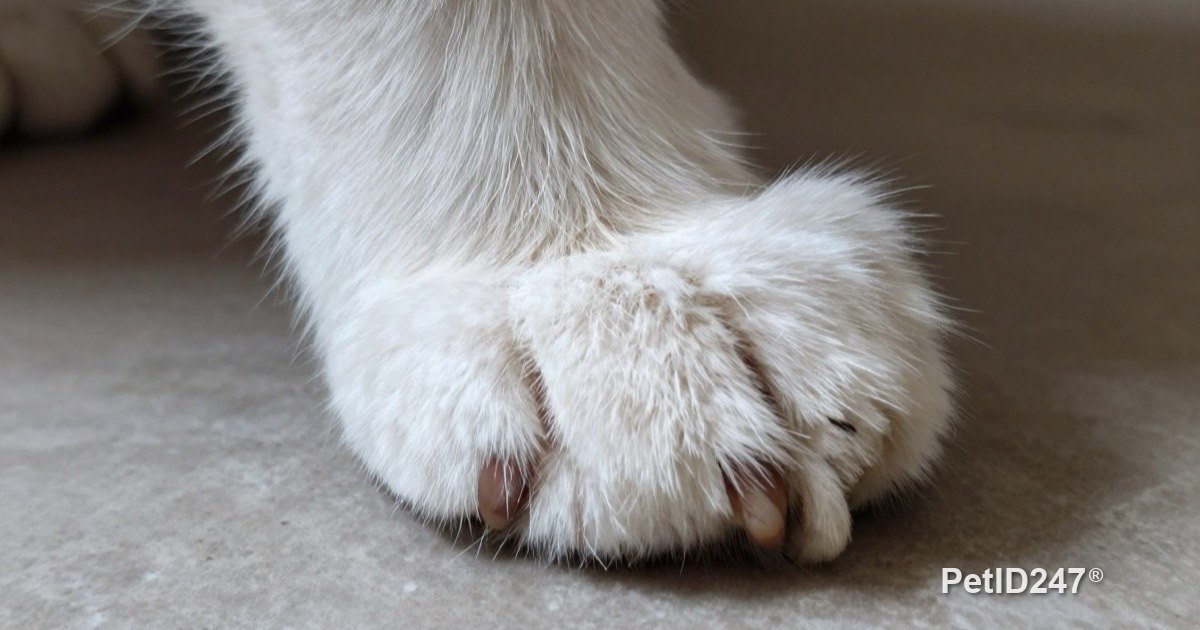
- Has long, thick claws from scratching less.
Senses and behavior
- Cloudy eyes, bumping into things, or startling when touched: possible loss of vision or hearing.
- Loud crying at night, wandering aimlessly, getting lost in their own familiar home, or forgetting where the litter box is: possible signs of cognitive decline in older cats. Some illnesses such as high blood pressure or hyperthyroidism can also cause night-time crying.
- Being grumpier, avoiding being picked up, or hiding more: often due to pain.
Helping your senior cat live more comfortably
- A low-sided litter box in an easy-to-reach spot, with one box on each floor if your home has several levels.
- Steps or padded stools so your cat can reach favorite high spots without jumping.
- A warm, soft bed away from drafts, with an extra soft blanket.
- Easy-to-reach food and water bowls, with several water bowls around the home. Add wet food so your cat gets more water.
- Help with grooming in areas your cat can no longer reach, and trim the claws more often.
- Keep a stable routine. Older cats like familiarity. Avoid sudden changes to furniture, feeding spots and sleeping spots.
- Gentle play every day to keep your cat moving at a comfortable level and prevent boredom.
Your senior cat's diet should be based on your veterinarian's advice and examination results, since cats with kidney disease, thyroid disease or diabetes need different diets. Don't give your cat joint pain medicine on your own. Any pain relief for cats must be given only as directed by your veterinarian.
When to see a vet
In addition to regular check-ups, take your senior cat to the vet promptly if you notice:
- Weight loss, whether your cat is eating less or more.
- Clearly increased drinking and urination.
- Refusing food or eating very little for more than a day.
- Frequent vomiting, diarrhea or ongoing constipation.
- Bad breath, drooling or difficulty chewing.
- Jumping and moving less, or toileting outside the litter box.
- Confusion, crying at night or changes in temperament.
Seek care immediately if your cat suddenly goes blind, becomes paralyzed or wobbly in the back legs, has trouble breathing, has a seizure, or strains in the litter box without passing urine. Early detection helps many illnesses of older cats be well controlled, so your cat can enjoy many more happy, healthy years with you.
This article was prepared with the help of artificial intelligence tools and reviewed by the PetID247 editorial team before publication. It is for reference only and does not replace an examination by a veterinarian.