Spaying and Neutering Cats: Benefits and Aftercare
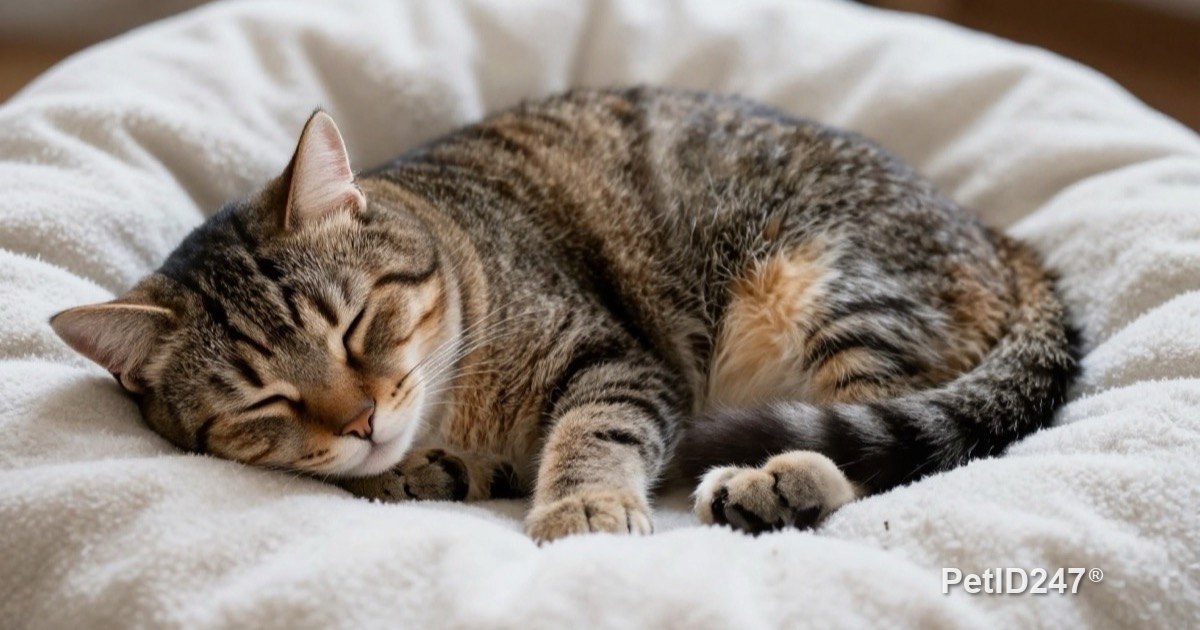
AI-generated illustration
Spaying or neutering prevents unwanted litters and many health and behavior problems. Learn the right timing and how to care for your cat at home after surgery.
Spaying or neutering is one of the most important health decisions you will make as a cat owner. It is a common surgery, usually quick, and cats recover well with the right care. This article explains the benefits, how to prepare and what to do in the days after surgery.
What is spaying and neutering?
In female cats (spaying), the veterinarian removes the ovaries, usually along with the uterus. In male cats (neutering), the veterinarian removes both testicles. The surgery is done under full general anesthesia, so the cat feels no pain during the operation. Neutering a male is usually simpler and recovery is faster than spaying a female.
Benefits of spaying and neutering
Health
- Female cats: eliminates the risk of pyometra, a dangerous uterine infection in older unspayed females. Early spaying also greatly reduces the risk of mammary tumors later in life.
- Male cats: eliminates the risk of testicular disease and reduces fighting, which means fewer wounds, abscesses and less risk of diseases spread through bites.
Behavior and living together
- Females no longer go through heat cycles with all-night yowling, rolling around and begging to go outside.
- Males usually spray urine to mark territory far less, and their urine smells less strong.
- Cats are less likely to roam, reducing the risk of getting lost or hit by a car.
- It prevents unwanted litters and helps reduce the number of abandoned cats.
When to spay or neuter
Many veterinarians recommend spaying or neutering before a cat reaches breeding age, commonly at around 4–6 months of age. Cats can come into heat very early, so waiting until after the first heat offers no added benefit. Adult cats of any age can still be spayed or neutered if they are healthy enough. The exact timing for your cat should be decided by your veterinarian after an examination.
Before surgery day, the vet may do a general check-up and suggest blood tests, especially for older cats. You will be told to withhold food for a certain period before surgery. Follow these instructions carefully, as they help reduce anesthesia risks.
Caring for your cat at home after surgery
The first day
- Prepare a quiet, warm, clean resting spot low to the ground so your cat doesn't have to jump. A large crate or a small room is ideal.
- Your cat may still be groggy and wobbly for the first few hours. Keep young children and other pets away.
- Resume food and water at the time and in the amounts your vet advises. It is common for cats to eat little on the first day.
Protect the incision
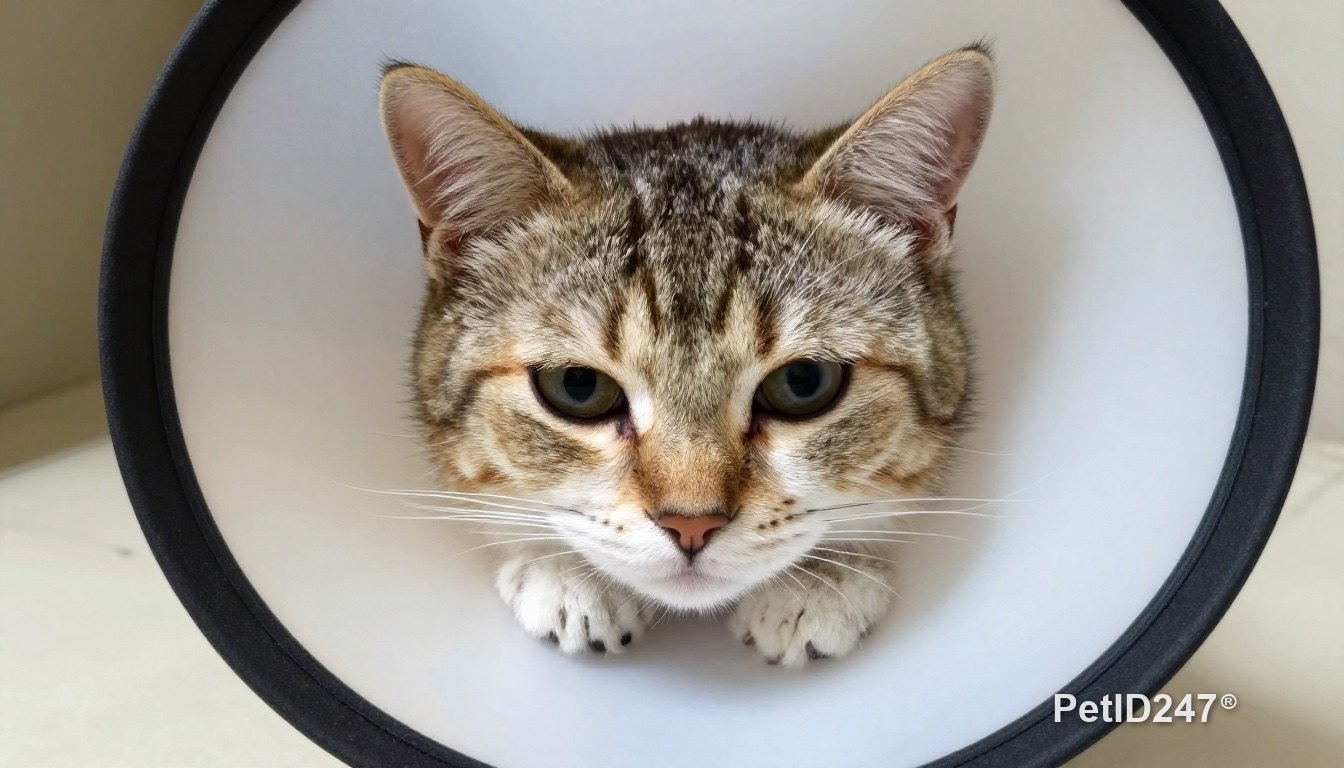
- Have your cat wear a cone (e-collar) or a recovery suit as directed. Licking can open the stitches and infect the wound.
- Check the incision every day. A normal incision stays closed and may be slightly pink for the first few days.
- Don't bathe your cat, and don't apply any medicine, alcohol or cream to the incision unless your vet tells you to.
- If your vet recommends it, switch to low-dust litter or shredded paper for a few days so litter doesn't stick to the wound.
Limit activity
For about 10–14 days, or as long as your vet advises, keep your cat from running, jumping and climbing. Temporarily put away tall cat trees and close off rooms with high furniture. Keep your cat indoors the whole time.
Medicines and follow-up
Give pain relief and antibiotics only as directed by your veterinarian. Never give your cat human pain relievers, as some are highly toxic to cats. Go to follow-up visits and stitch removal on schedule if needed.
After recovery
Spayed and neutered cats often need less energy and gain weight easily. Keep an eye on their weight, adjust portions and add more playtime. Your veterinarian can advise on food suited to spayed or neutered cats.
When to see a vet
Contact your veterinarian promptly if you notice:
- The incision is very swollen, red, hot, oozing, has pus or smells bad.
- The incision has opened, stitches have come loose or tissue is protruding: seek care immediately.
- Bleeding from the incision that won't stop.
- Your cat refuses food for more than a day, vomits repeatedly or has diarrhea.
- Your cat is lethargic, stays in one place, breathes fast or has pale gums.
- Your cat doesn't urinate after surgery, or strains without passing anything.
Most cats are back to normal within a few days. A little preparation and close monitoring during the first two weeks will help recovery go smoothly.
This article was prepared with the help of artificial intelligence tools and reviewed by the PetID247 editorial team before publication. It is for reference only and does not replace an examination by a veterinarian.