Leopard Gecko Enclosure Setup for Beginners
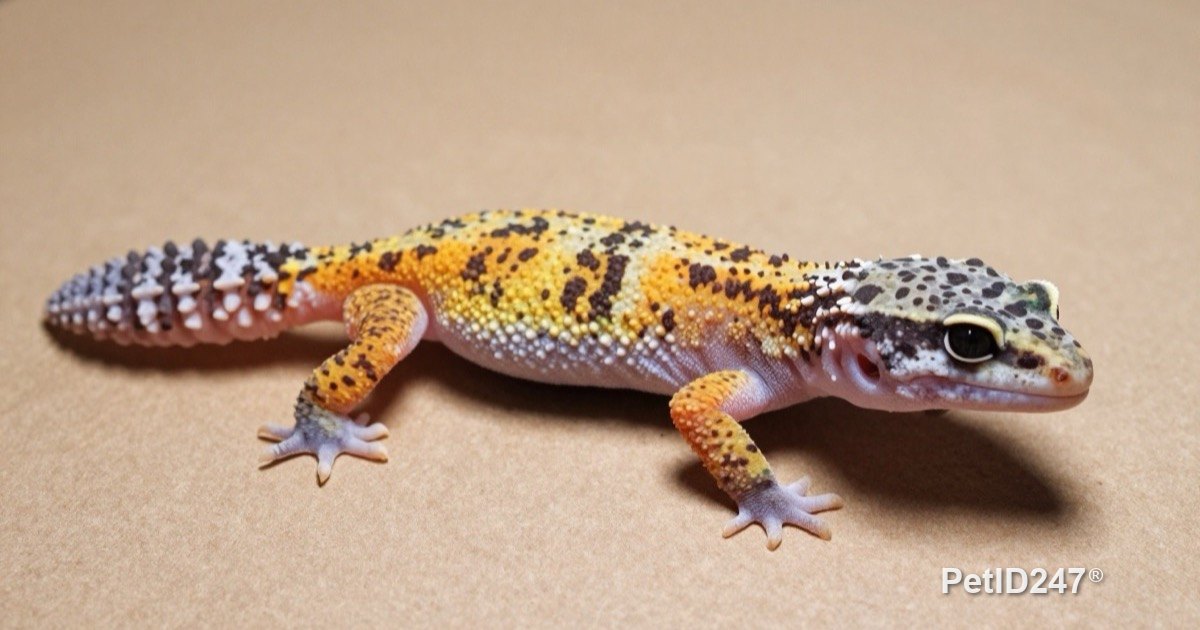
AI-generated illustration
Leopard geckos are gentle and easy to keep with the right setup. Enclosure size, heating, hides, substrate and lighting for beginners.
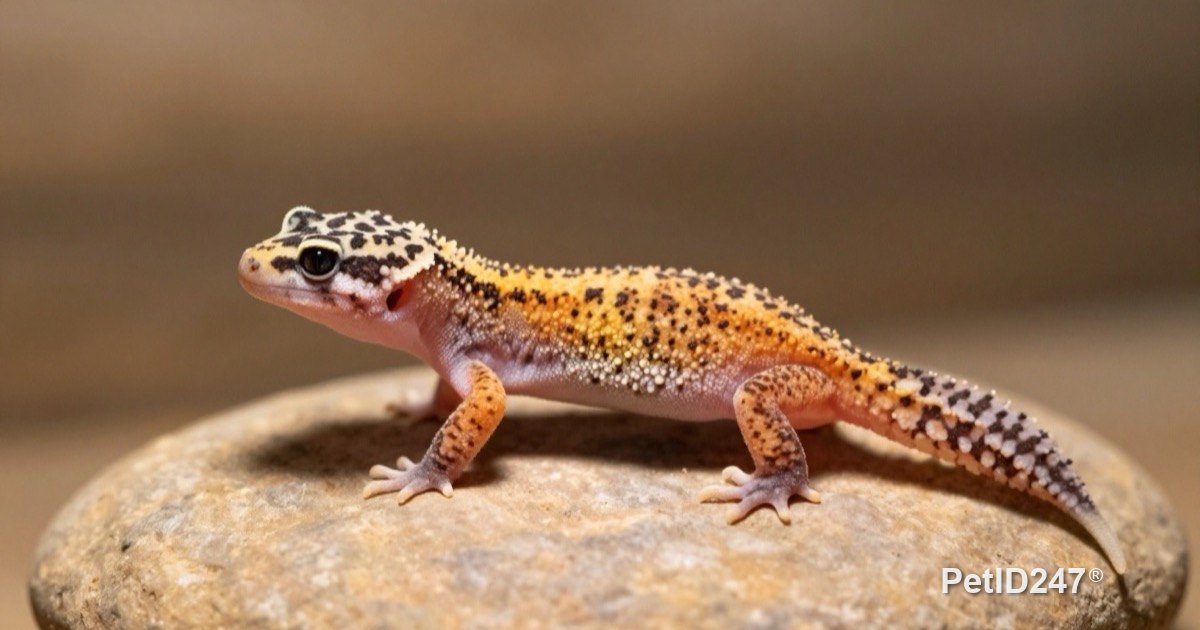
The leopard gecko is one of the most popular pet reptiles because it is gentle, compact and undemanding. Even so, its health depends almost entirely on its enclosure. Setting the enclosure up correctly from the start will help you avoid most problems later on.
Understand the species before you build
Leopard geckos come from dry, rocky, semi-desert regions of South Asia and the Middle East. They are mainly active at dusk and at night, and spend the day hiding in rock crevices. This shapes how the enclosure should be arranged: they need hides, heat from below or above, and they do not need the high humidity of rainforest species.
They can live quite a long time, often more than ten years with good care, as a guide. Choose a captive-bred animal with a clear origin, and follow the rules where you live.
Setting up the enclosure step by step
Size and type of enclosure
- A horizontal enclosure, prioritizing length and floor space over height, since they live on the ground.
- Size: for one adult, many care guides recommend an enclosure around 90 cm long or more, and the wider the better, as a guide. A larger enclosure makes it easier to create a clear temperature gradient and gives room to move.
- Material: a glass tank or reptile cabinet with a secure, well-ventilated mesh lid.
- One gecko per enclosure is the safest choice for beginners. Never house two males together, as they will fight.
Temperature: create warm and cool zones
Leopard geckos need a temperature gradient in the enclosure to regulate their body temperature and digest their food.
- Warm end: a resting surface of about 30 to 34°C, as a guide.
- Cool end: about 22 to 26°C, as a guide.
- At night: temperatures can drop slightly, but avoid deep cold, especially in winter.
Heat can come from a heat mat stuck under one end of the enclosure or a heat lamp above. Whichever you use, always connect it to a thermostat and use a thermometer to measure the surface temperature. A heat mat without a thermostat can overheat and cause belly burns, a fairly common accident. Do not use heat rocks, as they easily develop hot spots that cause burns.
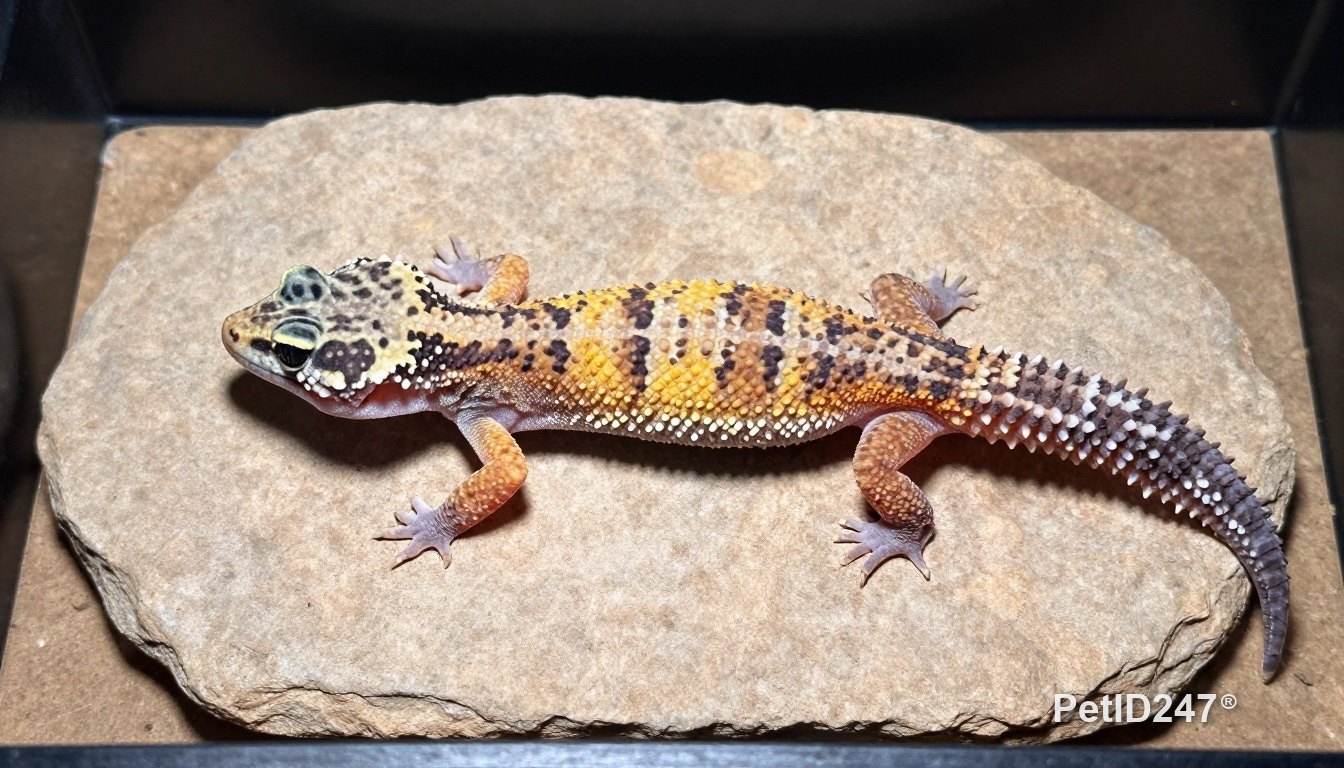
Three essential hides
- A warm hide at the hot end, where the gecko can rest and digest.
- A cool hide at the cool end, for resting when it gets too warm.
- A humid hide, lined with moss or coconut fiber kept damp, usually placed in the middle or near the warm end. This hide helps the gecko shed completely. Incomplete shedding, especially on the toes and tail, can cut off blood flow and cause toes to fall off.
Add a few flat rocks, low branches and artificial plants for climbing and exploring. Make sure decorations are stable and cannot collapse.
Substrate
Substrate is still a debated topic. For beginners, simple and safe options are:
- Paper liners or paper towels: easy to change and easy for checking droppings, ideal for juveniles and during quarantine.
- Ceramic tiles or flat stone slabs: easy to wipe clean and hold heat well.
- A naturalistic soil and sand mix: for experienced keepers, as it needs to be kept clean and monitored closely.
Avoid small, loose particle substrates that can easily be swallowed while hunting, especially by juveniles. Feeding from a dish also helps reduce the risk of swallowing substrate.
Lighting and day-night cycle
Although they are active at dusk, leopard geckos still need a clear light-dark cycle of about 12 hours of light and 12 hours of darkness, as a guide. Do not use colored lights all night, as they disrupt the body clock. More and more keepers add a low-output UVB lamp along with shaded areas so the gecko can choose. If you use one, choose a type suited to shade-dwelling reptiles and install it according to the manufacturer's instructions.
Food and water
Leopard geckos eat only live insects, such as crickets, mealworms and farmed roaches. The insects should be fed nutritious food for a few days before being offered. Dusting insects with calcium and vitamins should be done as directed by your veterinarian, and always read the product label. Always provide a clean, shallow water dish, changed daily.
One important note: never grab a gecko by the tail. Leopard geckos can drop their tails when frightened. The tail is also a fat store, and a regrown tail will look different from the original.
When to see a vet
Take your gecko to a veterinarian experienced with reptiles if you notice prolonged loss of appetite, a tail that is shrinking quickly, weight loss, incomplete shedding, weak or soft legs or jaw, difficulty walking, swollen eyes, regurgitation, or no droppings for several days. First, recheck the enclosure temperature, as many problems are caused by an enclosure that is too cold.
This article was prepared with the help of artificial intelligence tools and reviewed by the PetID247 editorial team before publication. It is for reference only and does not replace an examination by a veterinarian.