Baby Reptiles: Care in the First Months
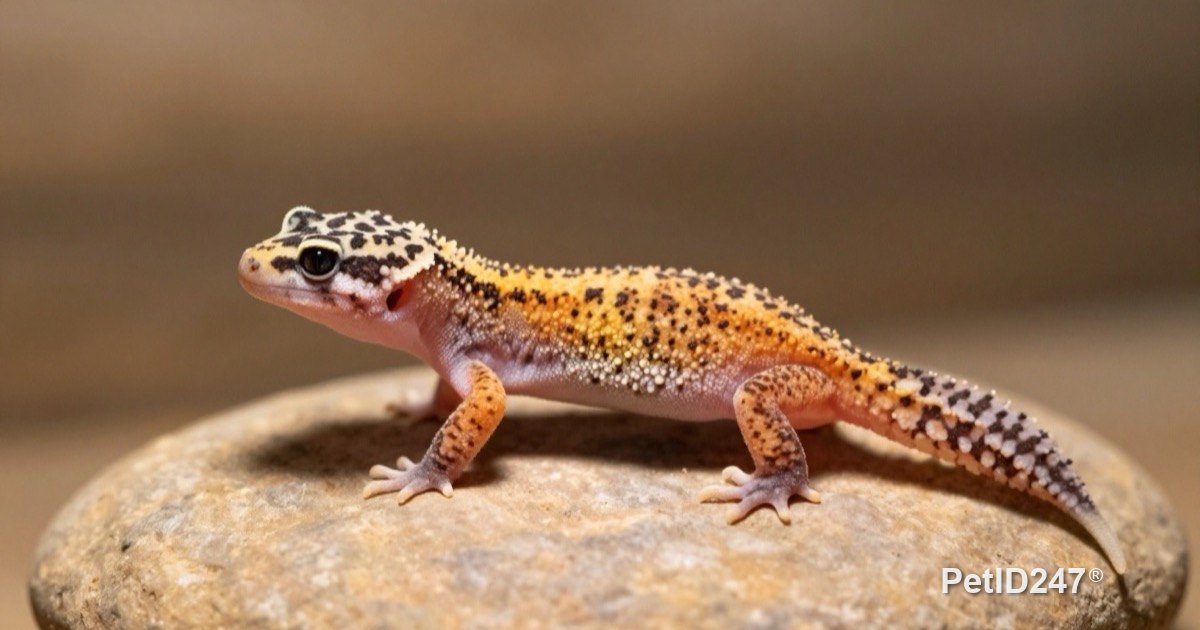
AI-generated illustration
Baby reptiles are small, sensitive to heat and humidity, and dehydrate easily. Learn how to set up the enclosure, feed, handle and monitor their health in the first months.
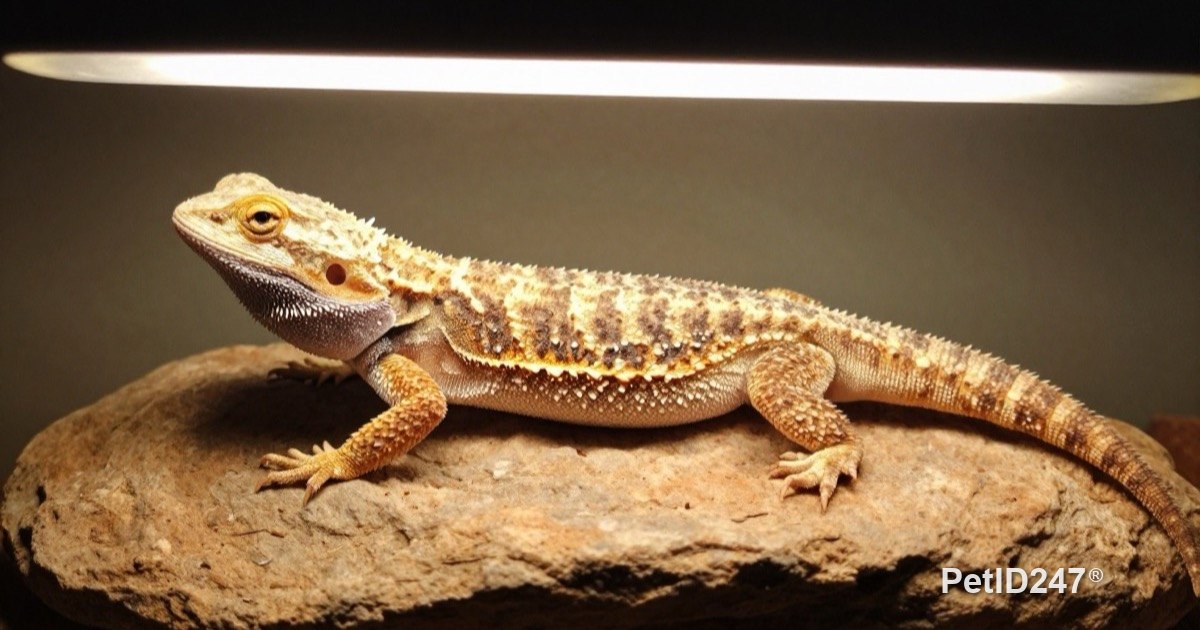
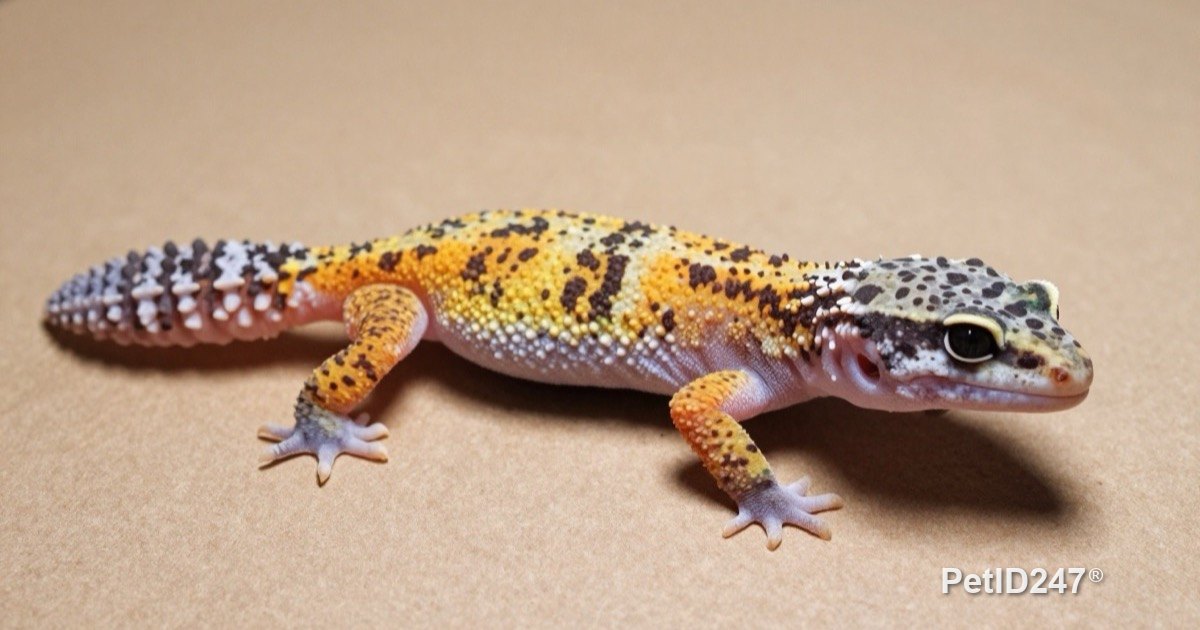
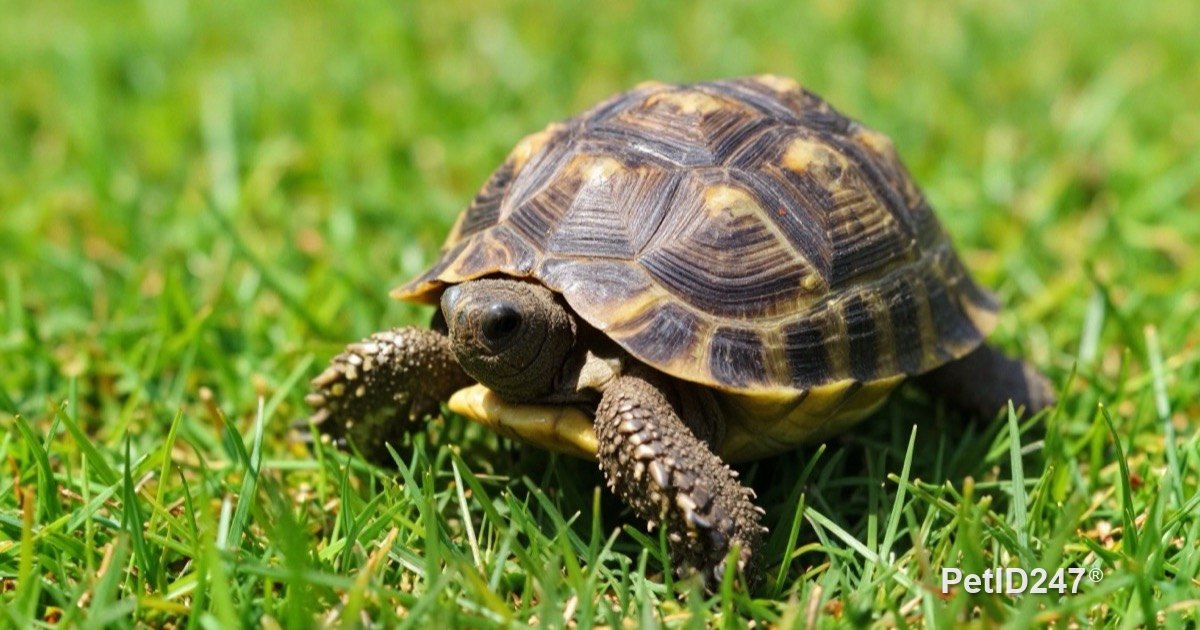
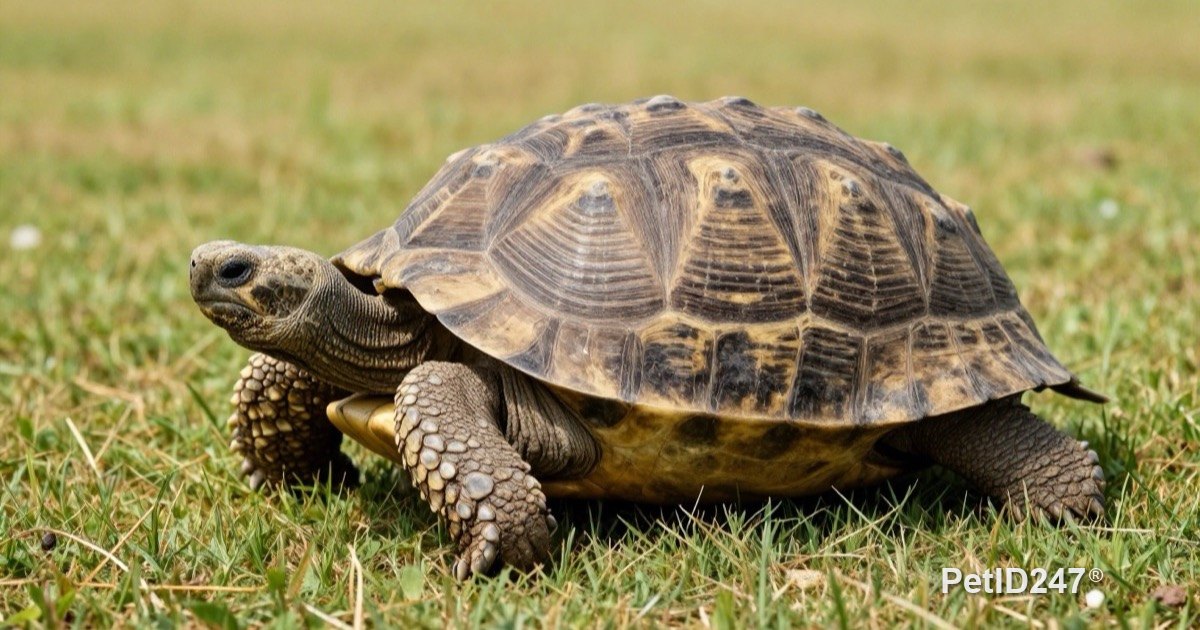
A tiny lizard, a pencil-length baby snake or a coin-sized hatchling turtle can look adorable. But baby reptiles are much more fragile than adults: they dehydrate easily, get cold easily, stress easily and need complete nutrition to grow fast. The first months of life shape their long-term health.
Before you bring a baby reptile home
- Legal sourcing: only buy captive-bred babies from a legal source with paperwork. Never buy wild-caught animals, and never take young reptiles from the wild to keep. Follow the rules where you live.
- Never release one: if you can no longer care for it, find a responsible new home. Released reptiles may die or harm native wildlife.
- Know the exact species: each species has very different needs for temperature, humidity and food. Ask the seller what the animal eats, how often, and whether it is feeding reliably on its own.
- Choose a healthy animal: bright eyes, quick reactions, not too thin, no wounds, no stuck shed and a clean vent.
- Set up the enclosure first and run the lights and heating for a few days to make sure temperatures are stable before the animal arrives.
An enclosure for a baby reptile
Baby reptiles usually feel safer in a space that isn't too big and has plenty of hides. An enclosure that is too large and bare can stress the animal and make it hard to find food. You can upgrade gradually as it grows.
- Temperature gradient: a warm side and a cool side suited to the species, thermostat-controlled heating, and thermometers at both ends.
- UVB lighting: for species that need UVB, fast-growing babies need suitable light even more to build strong bones (see also our article on UVB for reptiles).
- Humidity: measure it with a hygrometer. Babies dehydrate faster than adults, and many species need a humid hide.
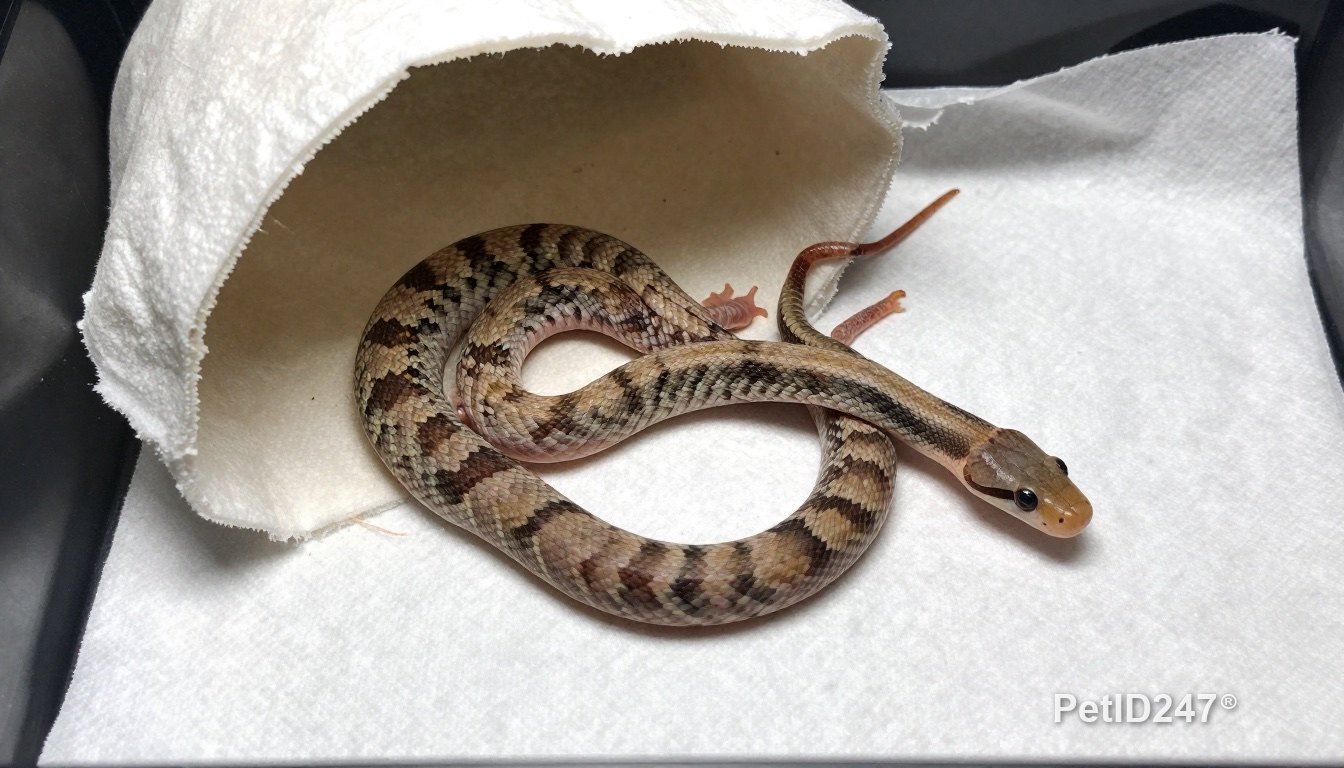
- Substrate: choose something flat and easy to clean, such as paper towel or a liner, to reduce the risk of swallowing substrate while hunting.
- Plenty of hides: on both the warm and cool sides.
- Clean water: a shallow dish so babies can't drown. For hatchling aquatic turtles, keep the water at a moderate depth with things to grip so they can easily surface to breathe and climb out to bask.
Feeding baby reptiles
- Small prey: insects no larger than the space between the animal's eyes; for baby snakes, prey no wider than the thickest part of the body.
- More frequent meals than adults: babies grow quickly, so they are usually fed more often. The exact frequency depends on the species; ask a reptile veterinarian.
- Calcium and vitamin supplements: very important during growth, but which product and how often must follow your veterinarian's directions and the product label.
- Feed once the enclosure is warm so the animal digests properly.
- Remove uneaten insects after the meal, as insects can bite babies.
A newly arrived animal may refuse food for the first few days because of the new surroundings. Leave it in peace and double-check the temperature and humidity. If it keeps refusing food, see a vet.
Handling and settling in
- Leave the animal alone for a few days to about a week after it arrives, only feeding and cleaning.
- Start with short, gentle handling sessions close to the floor or a low table to avoid falls.
- Never grab a lizard by the tail; many species can drop their tails when threatened.
- Don't handle right after a meal.
- Wash your hands with soap before and after handling or cleaning the enclosure. Supervise children around reptiles.
Tracking growth
Weigh your animal regularly on an accurate kitchen scale and record its weight, shed dates and what it eats. These notes help you spot slow growth or weight loss early, and they are valuable information for vet visits.
When to see a vet
Take your baby reptile to a veterinarian experienced with reptiles when:
- It keeps refusing food even though temperature and humidity are right.
- It is losing weight, looks clearly thin, or has sunken eyes and wrinkled skin from dehydration.
- It trembles, has twitching legs, a soft jaw, bent legs or difficulty walking.
- It has trouble shedding, with skin stuck on toes, tail or eyes.
- It wheezes, breathes with its mouth open or has a runny nose.
- It has diarrhea, blood in its droppings or regurgitates food.
- A hatchling turtle has a soft shell, swollen eyes or swims lopsided.
An early health check soon after bringing your new animal home is also well worth doing, even if you haven't seen any signs.
This article was prepared with the help of artificial intelligence tools and reviewed by the PetID247 editorial team before publication. It is for reference only and does not replace an examination by a veterinarian.