How to Trim Your Cat's Nails Safely at Home
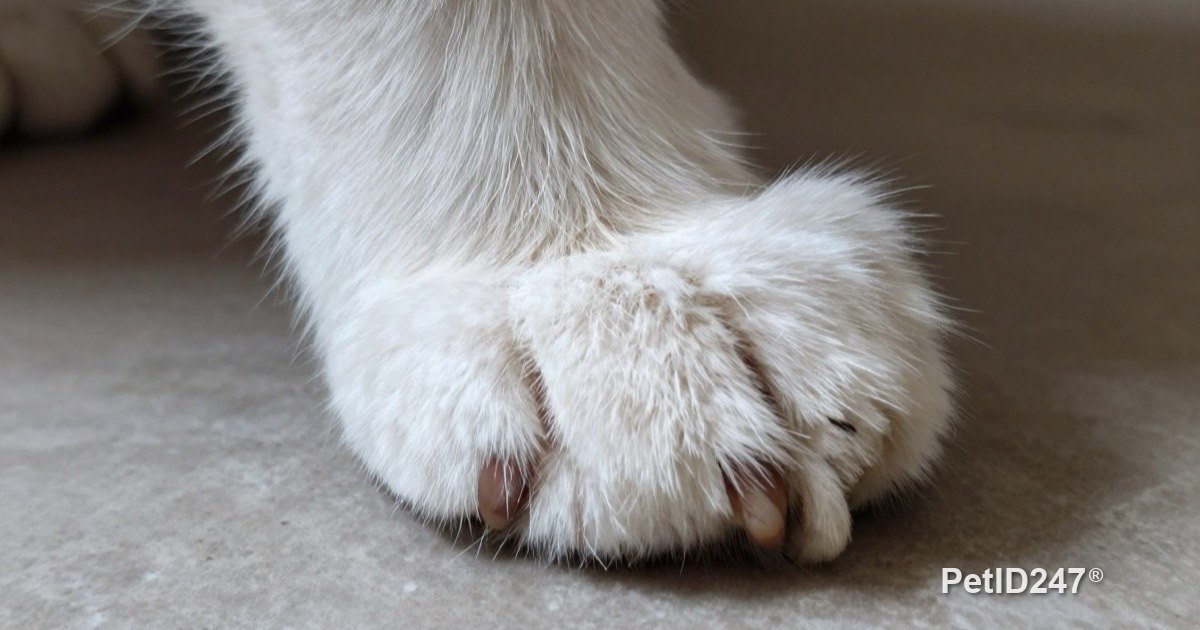
AI-generated illustration
Trimming your cat's nails at home is easy once you know how to avoid the pink quick and help your cat get used to it. A step-by-step guide.
Overgrown cat claws snag on carpets and curtains, scratch people and can curl around into the paw pads. Regular nail trims at home keep your cat comfortable and give you peace of mind. All you need is the right tool, the right technique and a little patience.
Getting your tools ready
- Cat nail clippers or scissors: sharp and comfortable to hold. Dull blades crush the nail and hurt your cat.
- Styptic powder for pets: in case you cut into the quick. If you don't have any, clean cornstarch can work in a pinch.
- A bath towel: to wrap your cat if it tends to wriggle.
- Treats: whatever your cat likes best.
- Good lighting: sit near a window or under a bright lamp so you can see the nails clearly.
Don't use human nail clippers on a cat. Cat claws are rounded and thick from top to bottom, and human clippers can crack or split them.
Understanding the cat's claw
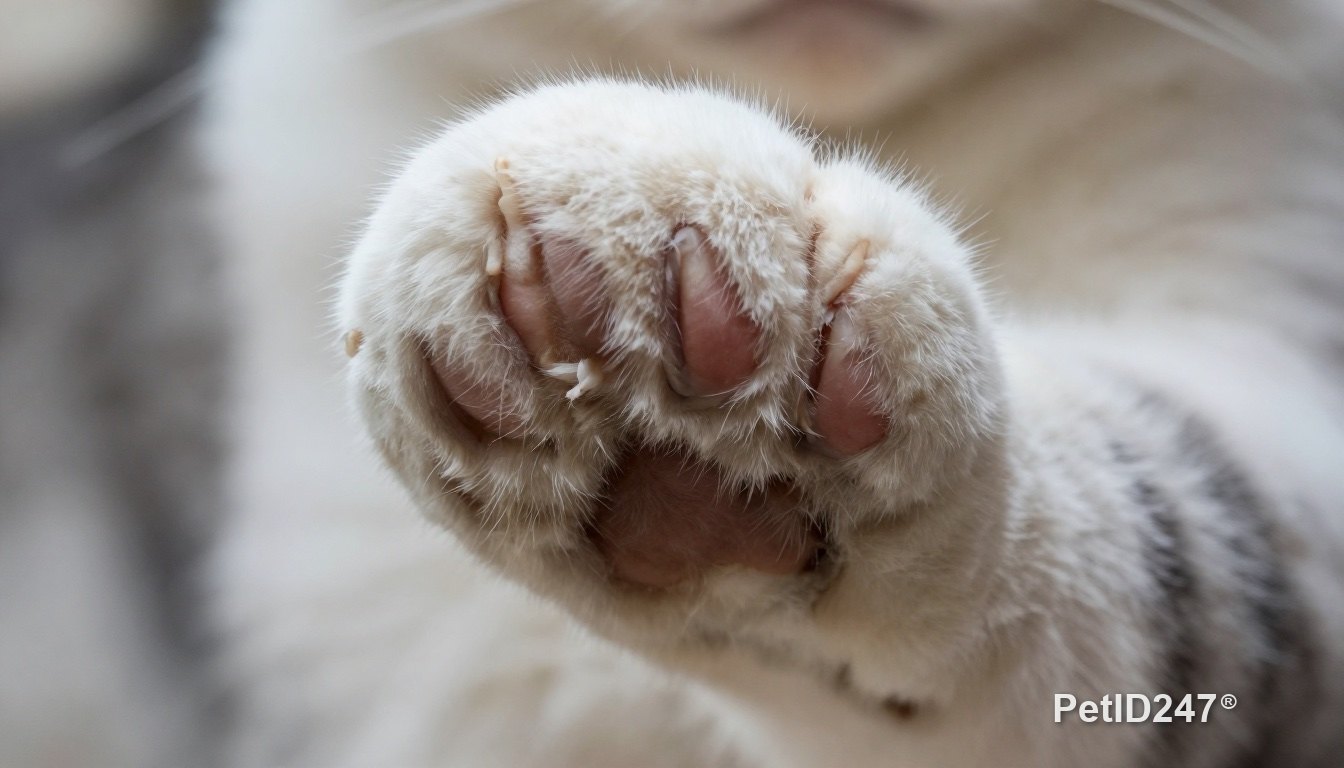
A cat's claws are normally retracted. To see a claw, gently press the paw pad and the top of the toe, and the claw will extend.
Look closely and you will see a pink area near the base of the claw. That is the quick, which contains blood vessels and nerves. The tip of the claw, clear or cloudy white and curved like a hook, is the part you can trim.
- Only trim the sharp tip, leaving a safe distance from the pink area.
- If the claws are dark and the quick is hard to see, trim tiny amounts at a time.
- Don't forget the dewclaws on the inner side of the front legs. They don't touch the ground, so they don't wear down and can easily grow into the skin.
- Hind claws are usually shorter and wear down more naturally, but still need checking.
Step-by-step nail trimming
- Pick the right moment. Trim when your cat is drowsy and relaxed, for example after a meal or while it is lying in your lap. Avoid times when it is in a playful mood.
- Position your cat comfortably. Sit your cat in your lap facing away from you. If it tends to struggle, wrap it gently in a towel with just one paw out.
- Extend the claw. Hold the paw gently and press the pad so the claw is clearly visible.
- Cut decisively. Position the clipper blade perpendicular to the claw and trim the sharp tip in one clean motion.
- Praise and reward. Give a treat after each claw or each paw.
- Stop early when needed. If your cat starts to get annoyed, stop. Trimming two claws today and more tomorrow is perfectly fine.
Getting your cat used to it gradually
If your cat has never had its nails trimmed, practice over a few days first:
- Day one: just touch your cat's paw for a few seconds, then reward.
- Next: gently press so a claw extends, then reward.
- Then: let your cat hear the clippers cut a toothpick or a piece of dry spaghetti, then reward.
- Finally: trim just one claw, then reward.
Starting when your cat is young is easiest, but adult cats can still learn if you are patient.
Important tips
- How often, as a guide: roughly every 2 to 4 weeks, depending on how fast the claws grow and how active your cat is.
- Senior cats: they scratch and move less, so their claws become thick and long quickly and can grow into the pads. Check them more often.
- Provide a scratching post: scratching is a natural need that helps cats shed the old outer layer of the claw and mark territory. Nail trims don't replace a scratching post.
- Don't declaw: declawing surgery actually removes part of the toe bone, causing pain and long-term effects. Many veterinary organizations advise against it for convenience.
- Don't force it at all costs: if your cat is too frightened or aggressive, ask your veterinarian or a professional groomer for help.
If you accidentally cut the quick
Don't panic. Dab a little styptic powder on the tip of the claw and press gently for a while until the bleeding stops. Keep your cat calm and keep an eye on it. Next time, trim less.
When to see a vet
Take your cat to a veterinarian if:
- The claw keeps bleeding even after you have applied styptic powder for a while.
- A claw has curled into the paw pad, causing swelling, discharge or pus.
- A toe is swollen or hot, or your cat is limping or licking its paw constantly.
- A claw is broken near the base, split lengthwise, unusually discolored or smells bad.
- Several claws are flaking, brittle or breaking easily. This can be a sign of a health problem that needs checking.
This article was prepared with the help of artificial intelligence tools and reviewed by the PetID247 editorial team before publication. It is for reference only and does not replace an examination by a veterinarian.