Aquarium Water Changes: How Much and How Often
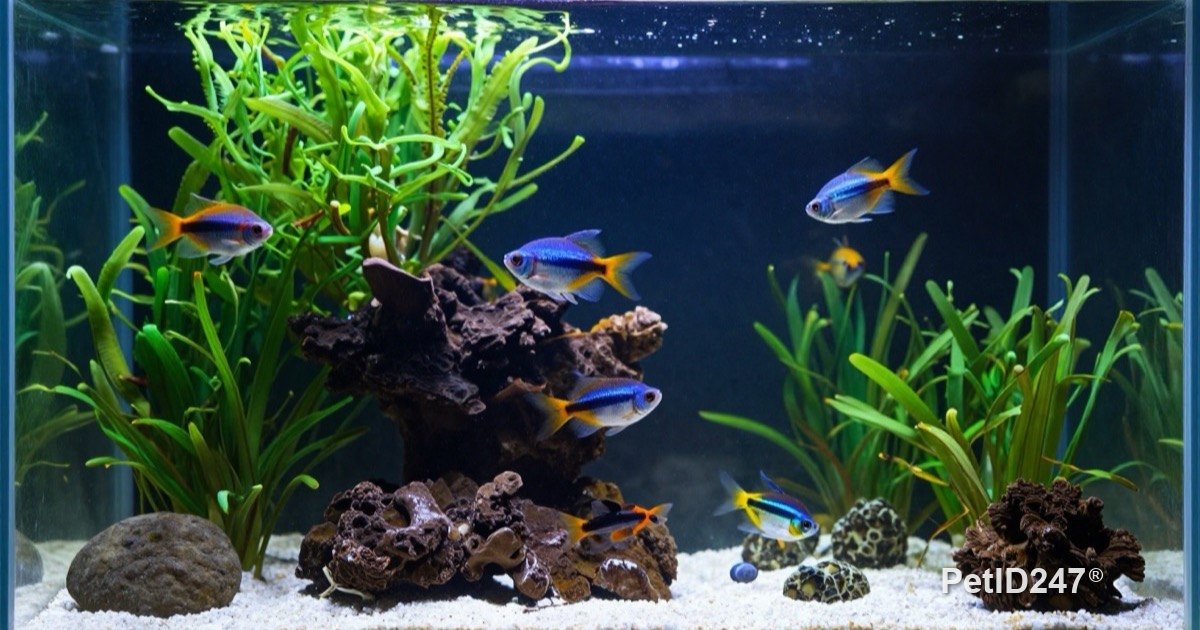
AI-generated illustration
The right amount and rhythm of water changes keeps a tank clean without shocking fish. Guideline amounts, preparing new water and safe step-by-step changes.
Clear aquarium water is not necessarily clean water. Dissolved waste such as nitrate keeps building up where you cannot see it. Regular water changes are the simplest yet most important way to keep fish healthy, as long as you do them correctly.
Why water changes matter
In an established tank, beneficial bacteria convert toxic waste into nitrate. Nitrate is less toxic but rises steadily over time. Tank water also accumulates dissolved organic matter and hormones released by fish, and gradually loses some minerals. Changing part of the water helps to:
- Lower nitrate and dissolved organic matter.
- Replenish minerals and keep pH more stable.
- Limit excessive algae growth.
- Keep fish eating well, looking colorful and less prone to disease.
How much and how often
There is no single number that fits every tank, but a common guideline for a typical home aquarium is changing about 10 to 25% of the water each week. Some situations call for adjustment:
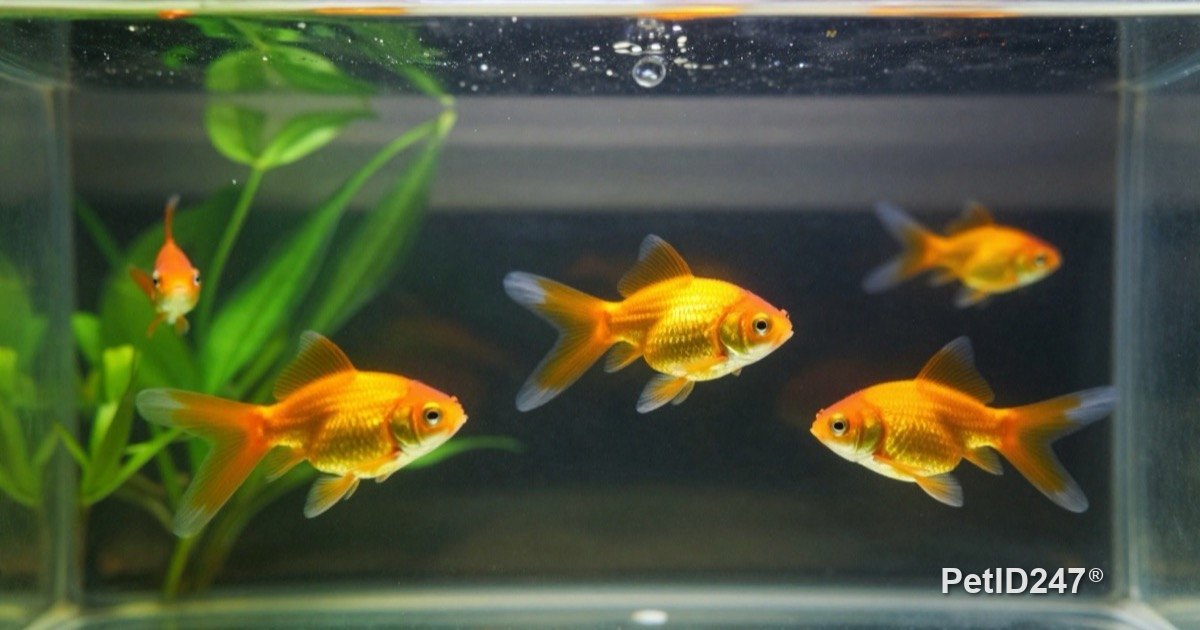
- Heavily stocked tanks, large fish or heavy eaters such as goldfish: may need larger or more frequent changes.
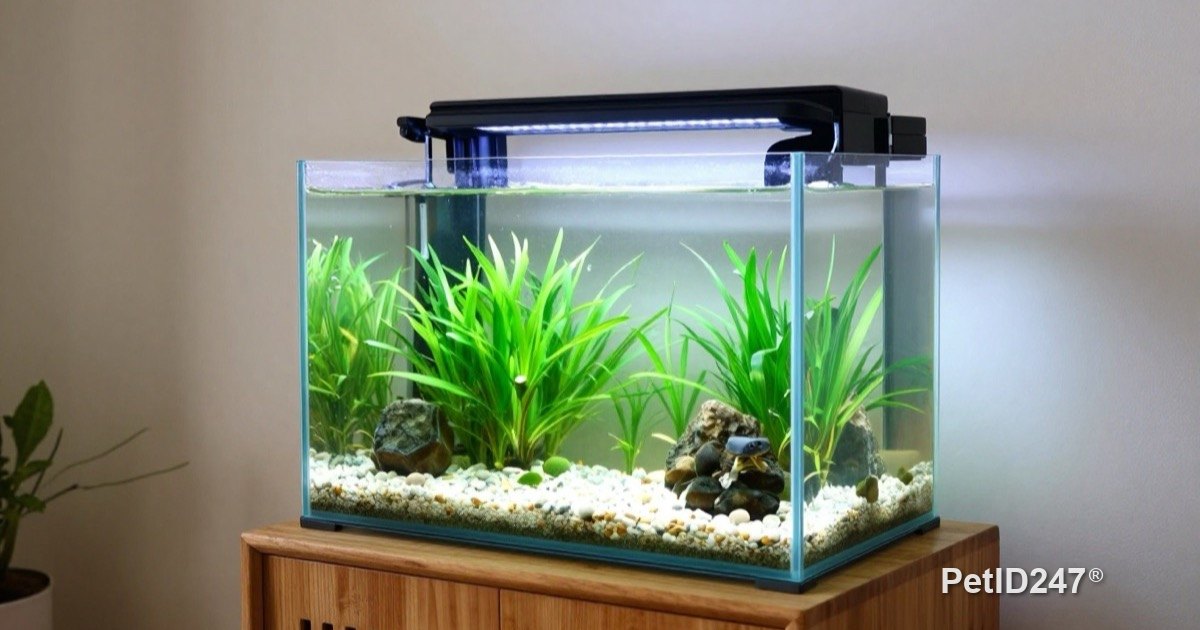
- Small tanks: water quality changes quickly, so change moderate amounts on a regular schedule and do not leave it too long.
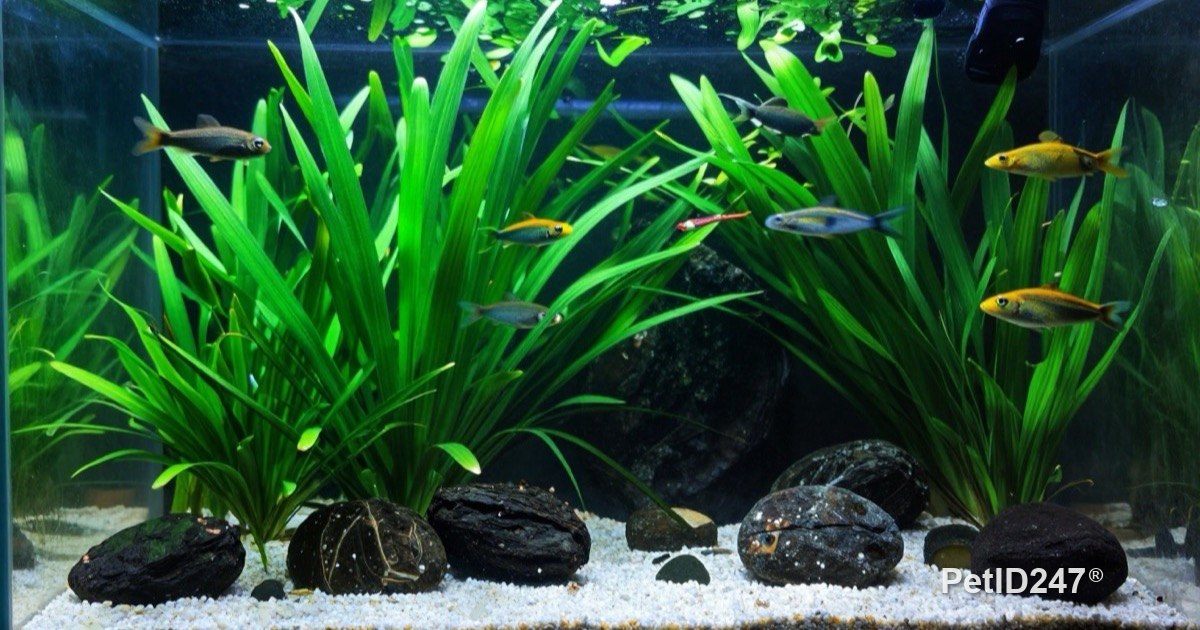
- Heavily planted, lightly stocked tanks: may need smaller changes, but should still be kept on a regular routine.
The most accurate approach is to measure nitrate with a test kit. Many fishkeepers try to keep nitrate low, typically below roughly 20 to 40 ppm (parts per million), as a guide. If nitrate climbs quickly between changes, increase the amount you change, or reduce the number of fish or the amount of food.
What matters most is consistency. Small, regular changes are much better than ignoring the tank for months and then doing one huge change.
Why you should not change all the water
Replacing 100% of the water and scrubbing the tank feels clean to many people, but it actually causes harm:
- Fish go into shock from sudden changes in temperature, pH and hardness.
- Beneficial bacteria living on the substrate and rocks are lost if everything is scrubbed.
- In a tank that has gone a long time without water changes, the gap between old and new water is even bigger, so a sudden massive change makes shock even more likely.
If your tank has not had a water change in a long time, return to a normal routine gradually: make small changes, several times over a few weeks.
Steps for a safe water change
- Prepare the new water. Tap water contains chlorine or chloramine, which harm fish and bacteria. Use an aquarium water conditioner following the directions on the label, or leave the water in an open bucket with aeration for one to two days. Note that standing water only lets chlorine escape; it does not remove chloramine.
- Match the temperature. The new water should be close to the tank temperature; the smaller the difference, the better.
- Turn off the heater, and the filter if needed, while draining so the equipment does not run dry.
- Siphon while cleaning the substrate. Use a gravel siphon to remove debris from the surface of the substrate. Clean only part of the substrate area each time.
- Wipe the inside of the glass if there is algae.
- Add the new water slowly, pouring it onto a plate or your hand so it does not stir up the substrate or frighten the fish.
- Turn the equipment back on and watch the fish for a few hours afterward.
Other tips
- Use a bucket and siphon dedicated to the aquarium, never shared with soap or cleaning chemicals.
- Do not clean the filter and do a large water change on the same day if the tank is showing signs of trouble, so the bacterial community is not disturbed too much.
- Well water and rainwater may contain impurities or have unusual pH or hardness. If you use them, test first.
- Record the date of each water change and your test results so you can track trends.
Summary
Change part of the water regularly, with a guideline of about 10 to 25% per week, adjusted according to your nitrate readings and stocking level. Always dechlorinate, match the temperature, siphon the substrate and avoid changing all the water at once. If after a water change your fish swim erratically, gasp at the surface or clamp their fins, recheck the temperature and the water conditioner. Fish that stay weak for a long time should be checked by someone qualified in fish health.
This article was prepared with the help of artificial intelligence tools and reviewed by the PetID247 editorial team before publication. It is for reference only and does not replace an examination by a veterinarian.