How Much to Feed Aquarium Fish
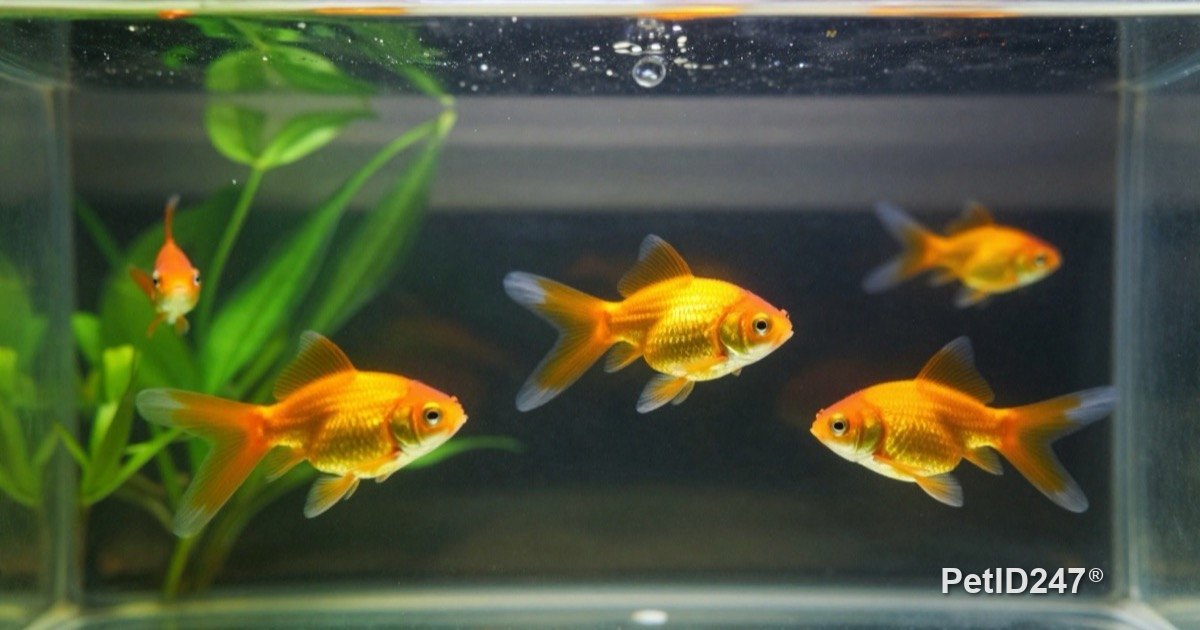
AI-generated illustration
Overfeeding fouls the water and causes more illness than hunger does. How to judge portions, number of meals, the right food and what to do when you travel.
Fish swim up begging for food whenever they see someone, so many owners assume they are always hungry. In fact, overfeeding is one of the most common mistakes in fishkeeping. Leftover food fouls the water, causes disease and can lead to problems for the whole tank.
Why overfeeding is harmful
- Water pollution: leftover food breaks down into ammonia, which is highly toxic to fish. The filter and beneficial bacteria can only handle a limited amount.
- Digestive problems: fish have small stomachs, and overeating easily leads to bloating and constipation, especially in goldfish and bettas.
- Algae and cloudy water: excess nutrients feed algae and bacteria.
- Low oxygen: decomposition uses up oxygen in the water.
On the other hand, healthy adult aquarium fish cope quite well with short periods without food. So when in doubt, feed a little less.
How much and how many meals
Estimating portions
An easy and widely used rule is to feed only what your fish can finish in about two minutes, as a guide. Here is how:
- Drop in a small pinch of food.
- Watch the fish eat. If they finish very quickly, add a little more.
- Stop when they start eating slowly or leave food behind.
- After a few minutes, remove any food that is left.
After a few times you will get used to the right amount for your tank. A small tip: portion out each meal in advance rather than sprinkling straight from the container.
How many times a day
- Adult fish: most species need only one to two meals a day.
- Young fish: need several smaller meals a day because they are growing quickly.
- Nocturnal fish, such as some catfish and corydoras: feed after the lights go out.
- Fasting day: many keepers give adult fish one day off food each week to rest their digestion and ease the load on the water.
Temperature matters too. Fish are cold-blooded, so in cooler water their metabolism slows and they eat less. In winter, if the tank has no heater, reduce the amount of food.
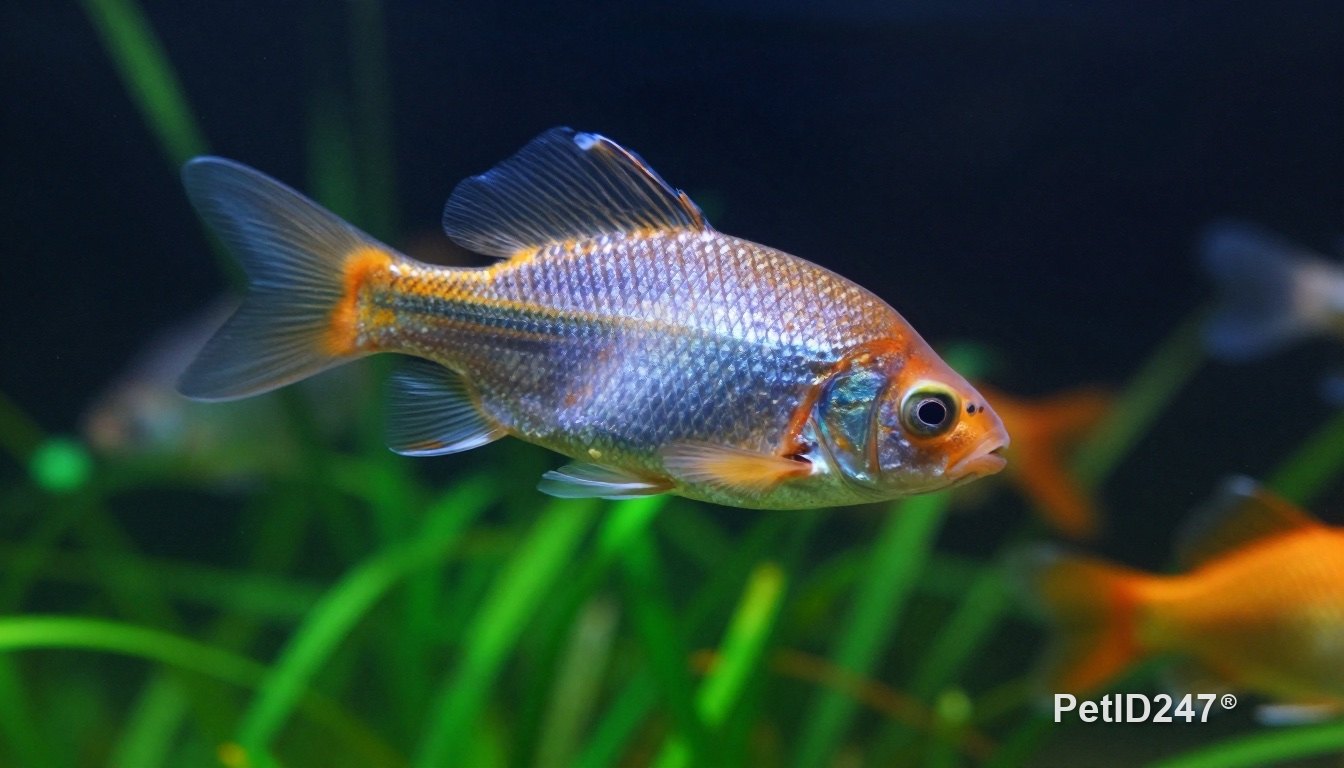
Choosing the right type of food
Each species has different feeding habits:
- Surface feeders: flakes or floating pellets.
- Mid-water feeders: slow-sinking pellets.
- Bottom feeders: sinking pellets or wafers placed on the bottom so other fish do not take it all.
- Herbivorous fish, such as some plecos: need food based on vegetables and algae, and can be given soft blanched vegetables such as zucchini or cucumber.
- Carnivorous fish: supplement with frozen or live foods such as blackworms, daphnia and brine shrimp, alternating with pellets.
A varied diet helps fish get complete nutrition and develop good color. Store food containers in a dry place with the lid tightly closed. Food that has been open too long loses vitamins and can turn moldy. Live foods should come from a known source, as they can bring disease into the tank.
Situations that call for adjustment
Signs you are overfeeding
- Food is still falling to the bottom after a few minutes.
- The water quickly turns cloudy, smells or develops a surface film.
- Algae grows fast even though the lights are not on for too long.
- Tests show ammonia or nitrite rising, or nitrate climbing quickly.
- Fish constantly have round, full bellies, trail long strings of waste and produce a lot of it.
What about when you go away?
Healthy adult fish in an established tank can usually go a few days without food. For short trips, many keepers choose not to feed at all rather than ask someone unfamiliar who might overdo it. For longer trips, you can:
- Use an automatic feeder, testing it for a few days before you leave to adjust the amount.
- Ask someone you trust, preparing each meal in a small labeled bag with the date, and explain clearly not to add extra.
Young fish, sick fish or a tank that has only just been stocked should be looked after more carefully.
Summary
- Feed what your fish can finish in about two minutes, one to two meals a day for adults.
- Remove leftover food and consider one fasting day a week.
- Choose food based on each species' feeding level and habits, and offer variety.
- Feed less when the water is cool, and monitor water quality regularly.
If your fish refuse food for several days even though the water is good, watch for other signs of illness and consult someone qualified in fish health.
This article was prepared with the help of artificial intelligence tools and reviewed by the PetID247 editorial team before publication. It is for reference only and does not replace an examination by a veterinarian.