Your First Aquarium: Understanding the Nitrogen Cycle
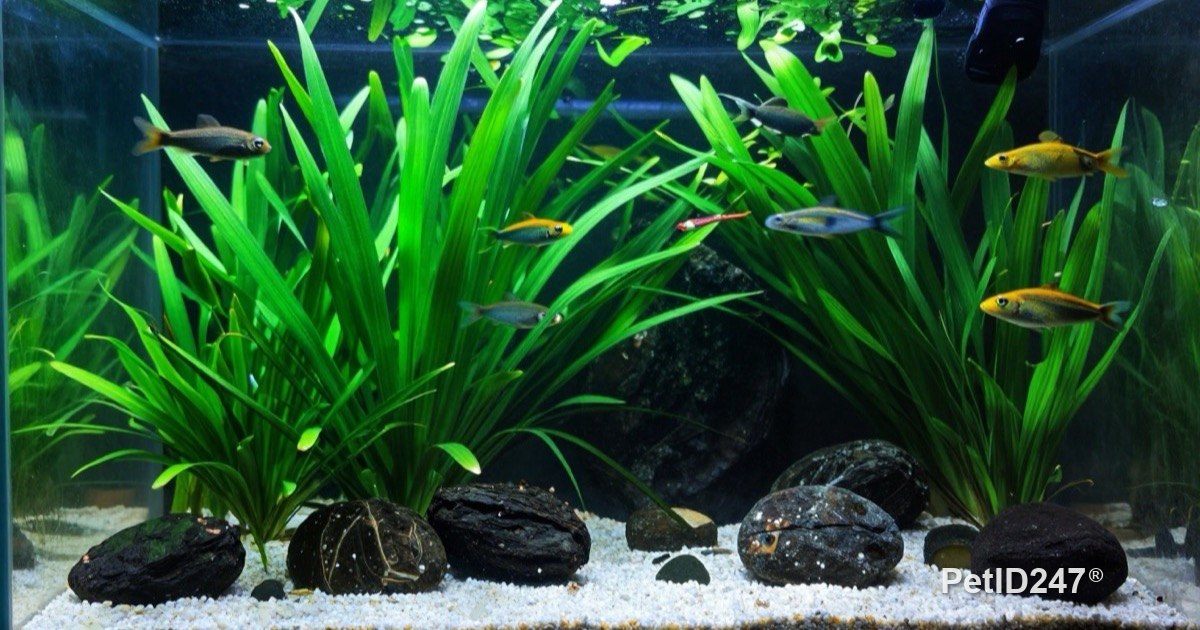
AI-generated illustration
Fish dying in a new tank is often caused by missing beneficial bacteria. Learn the nitrogen cycle and how to cycle a tank before adding fish.
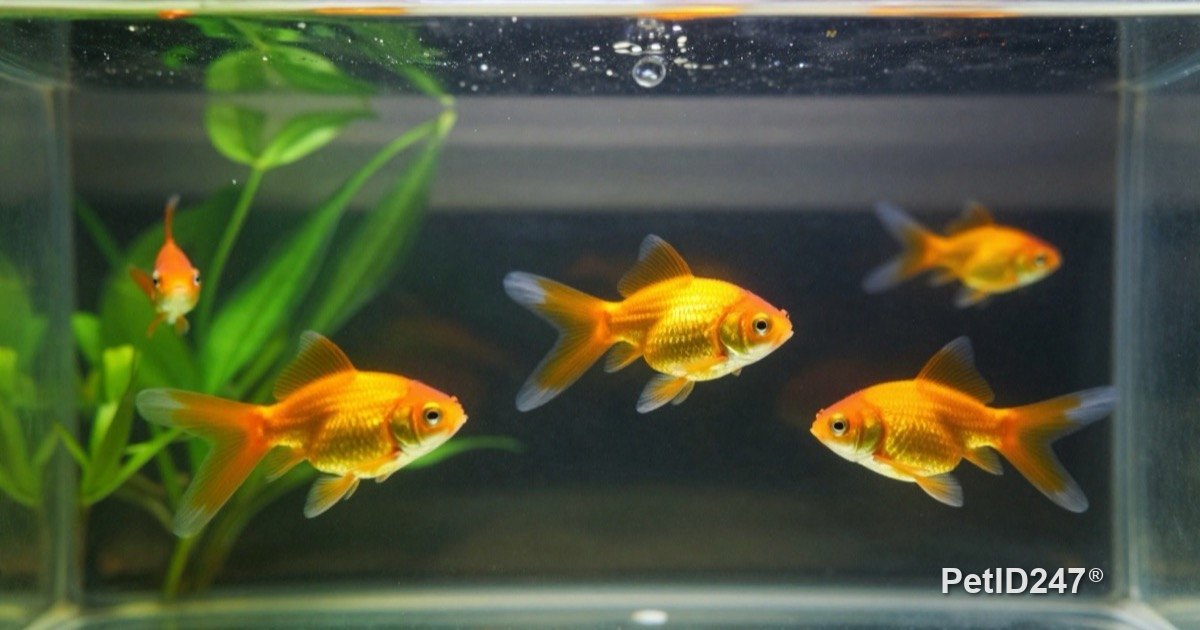
Buying a tank, filling it with water and adding fish the same day is the most common mistake new fishkeepers make. For the first few days the fish swim happily, then suddenly become sluggish, gasp at the surface and die one by one. The culprit is usually not disease but a tank that has not yet completed the nitrogen cycle.
What is the nitrogen cycle?
Fish release waste through their gills and feces. Leftover food and decaying plant leaves also break down. All of this produces ammonia, which is highly toxic to fish even at low concentrations.
In an established tank, two groups of beneficial bacteria process this waste:
- The first group converts ammonia into nitrite. Nitrite is still toxic because it prevents the fish's blood from carrying oxygen.
- The second group converts nitrite into nitrate. Nitrate is far less toxic, but when it builds up over time it still causes harm and encourages algae growth.
Nitrate is removed mainly through regular water changes, with a small amount absorbed by aquatic plants. This loop is what fishkeepers call the nitrogen cycle.
Where do the bacteria live?
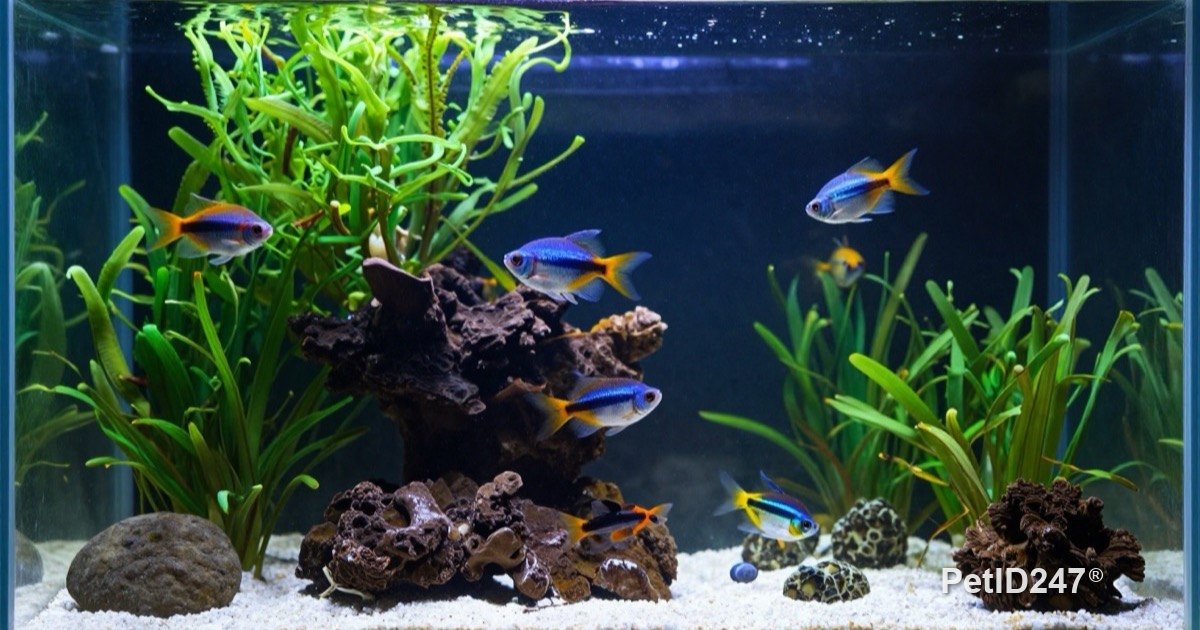
Beneficial bacteria do not live mainly in the water; they cling to surfaces such as filter media, gravel, rocks, driftwood and the tank walls. That is why the filter is the heart of an aquarium. A brand-new tank with fresh water and a new filter has almost none of these bacteria. They need time, usually several weeks, to multiply in sufficient numbers.
This explains why tanks stocked with fish straight away so often run into trouble: ammonia rises faster than the bacteria can process it.
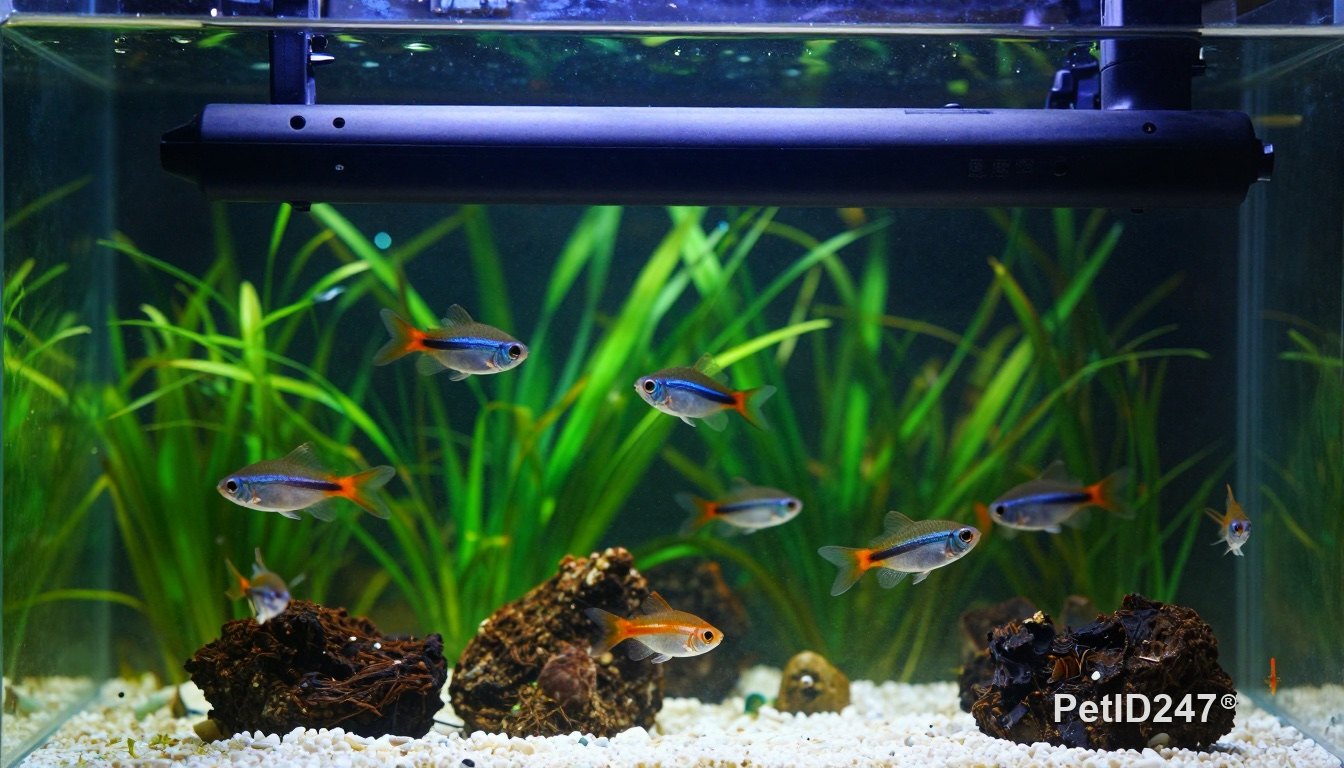
How to cycle a tank before adding fish
Growing these bacteria before adding fish is known as cycling the tank. The recommended method is fishless cycling:
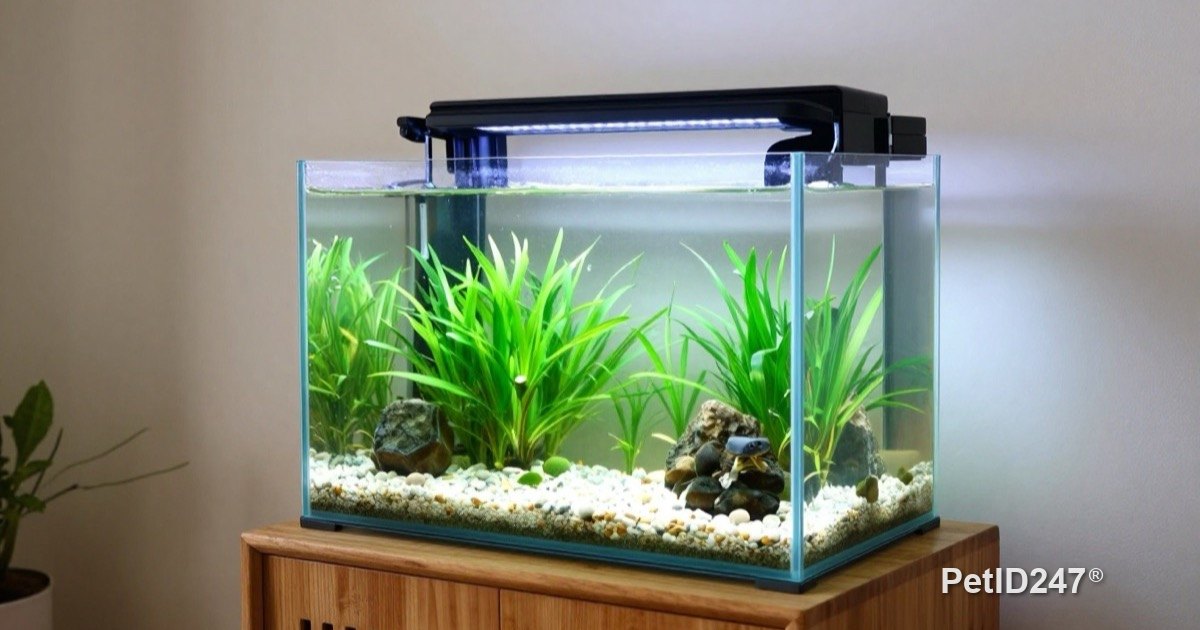
- Set everything up: tank, substrate, filter and heater if needed. Fill with dechlorinated water and run the filter continuously.
- Provide an ammonia source: add a little fish food each day, or use an ammonia product made specifically for aquariums, following the directions on the label.
- Optionally add bacteria from a bacterial starter product, or ask for some mature filter media from a healthy, long-running tank to shorten the process. Only take it from a tank you know is disease-free.
- Test the water regularly with ammonia, nitrite and nitrate test kits. First ammonia rises, then nitrite rises, then both gradually fall to zero while nitrate appears.
- The tank is considered cycled when ammonia and nitrite consistently read zero within about a day after you add an ammonia source. As a guide, this usually takes around 4 to 6 weeks, sometimes longer.
- Do a partial water change to lower nitrate before adding fish.
During this stage the water may turn cloudy white from a bacterial bloom. This is common and usually clears up by itself.
Adding fish correctly after cycling
- Start with a few fish and add more gradually. Bacteria need time to grow in line with the new waste load. Add a few fish, then wait one to two weeks before adding more.
- Do not overstock. A crowded tank gets polluted easily and stresses the fish.
- Feed only what is needed. Leftover food is a major source of ammonia.
- Keep testing the water for the first few weeks after adding fish.
Habits that accidentally break the cycle
- Rinsing filter media under tap water: chlorine in tap water can kill beneficial bacteria. Instead, gently swish the media in a bucket of water taken from the tank itself.
- Replacing all filter media at once: if replacement is needed, change it in stages, a few weeks apart.
- Turning the filter off for a long time, for example during a power cut lasting several hours: bacteria deprived of oxygen will partly die off. When power returns, monitor the water more closely.
- Using disease treatments in the main tank: some medications affect the bacteria. Any treatment should follow the advice of someone qualified in fish health, and always read the product label.
- Cleaning the tank too thoroughly: scrubbing all the gravel and rocks at the same time also removes bacteria.
Summary
A healthy aquarium is not the one with the clearest water but the one with a stable bacterial community. Cycle the tank for several weeks before adding fish, test ammonia and nitrite until they read zero, add fish gradually, feed moderately and treat your filter gently. If fish gasp at the surface, breathe rapidly or have red gills, test the water right away. If ammonia or nitrite rises, change part of the water with dechlorinated water, feed less and look for the cause. If the fish remain weak even after the water is stable, consult someone qualified in fish health.
This article was prepared with the help of artificial intelligence tools and reviewed by the PetID247 editorial team before publication. It is for reference only and does not replace an examination by a veterinarian.