Senior Dogs: Adjusting Diet and Exercise
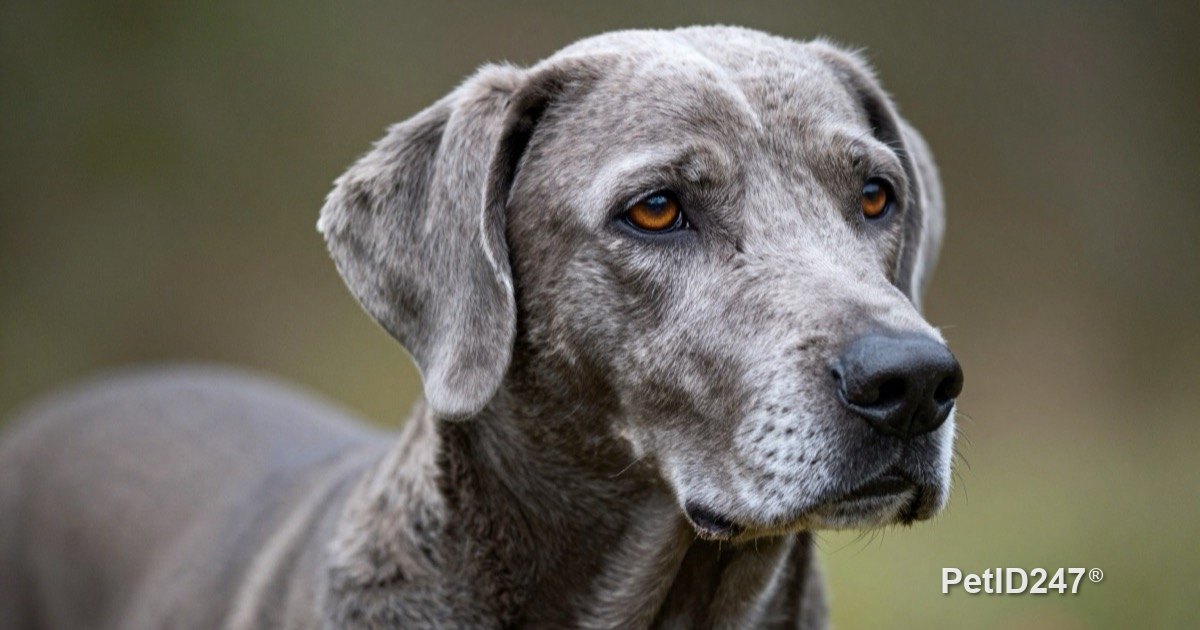
AI-generated illustration
As dogs age, their food and exercise needs change. The right adjustments help a senior dog stay at a healthy weight, ease joint pain and live happily for longer.
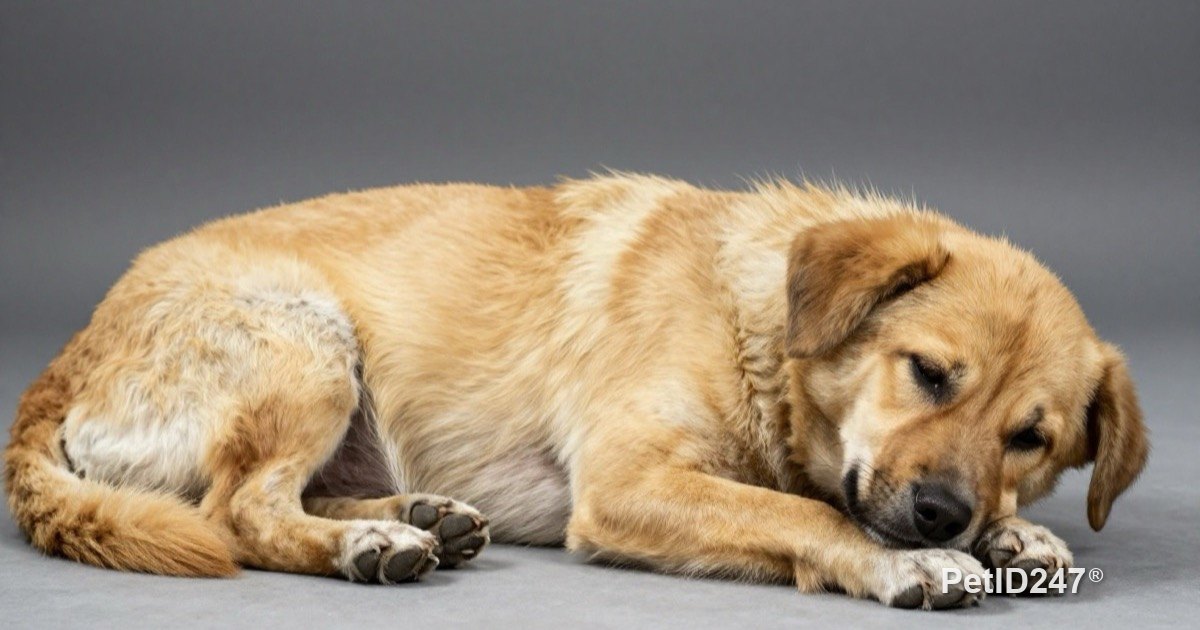
Dogs age faster than people, and the changes usually come on so gradually that they are easy to miss. Your dog starts sleeping more, walking more slowly and eating differently. Adjusting diet and exercise in good time helps a senior dog stay healthy and comfortable in its later years.
When is a dog considered senior?
There is no single age that applies to every dog. By a common classification, small dogs are usually considered senior later, sometimes from around 10 years of age. Large and giant breeds age earlier, possibly from around 6–7 years. Your veterinarian can help you assess your dog based on its breed, size and actual health.
Common signs include a graying muzzle, sleeping more, slowness getting up, reluctance to climb stairs, weight gain or loss, cloudy eyes and poorer hearing.
Adjusting the diet
Managing weight
Older dogs are usually less active, so they need less energy. If you keep feeding the same amount, your dog can easily gain weight, putting extra strain on its joints and raising the risk of many diseases. On the other hand, unexplained weight loss is a sign your dog needs a checkup.
- Weigh your dog regularly, for example once a month, and keep a record.
- Feel along both sides of the ribcage: at a healthy weight you can easily feel the ribs under a thin layer of fat, and from above your dog has a visible waist.
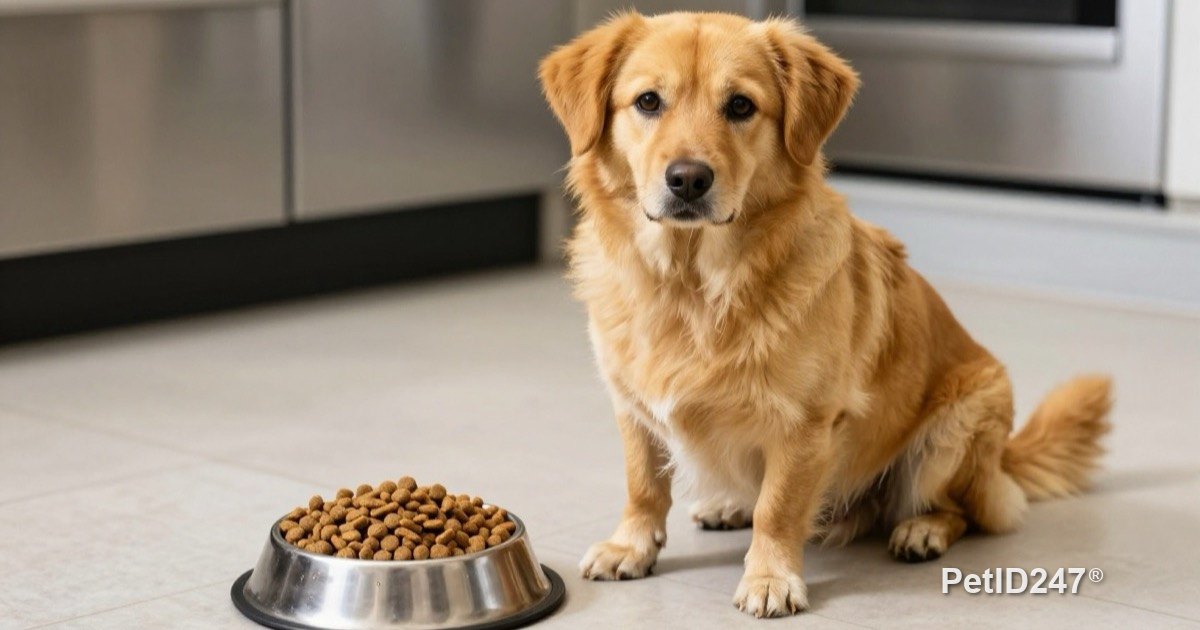
- Measure food with a cup or a scale rather than pouring by eye.
- Count treats as part of the daily food allowance.
Choosing the right food
- There are many foods made specifically for older dogs. However, not every senior dog needs to switch. Ask your veterinarian, based on a health examination.
- Healthy senior dogs still need good-quality protein to maintain muscle. Don't cut protein on your own unless your veterinarian advises it because of a medical condition such as kidney disease.
- When changing food, switch gradually over about a week, mixing in more of the new food each day.
- Dogs with sore teeth may prefer softer food, or dry kibble softened in warm water.
- Use joint supplements or any other supplements only as directed by your veterinarian, and read the product label carefully.
Water
Keep clean water available in several places around the home so your senior dog doesn't have to walk far. Keep an eye on how much it drinks: drinking much more than usual can be a sign of kidney disease, diabetes or hormonal disorders.
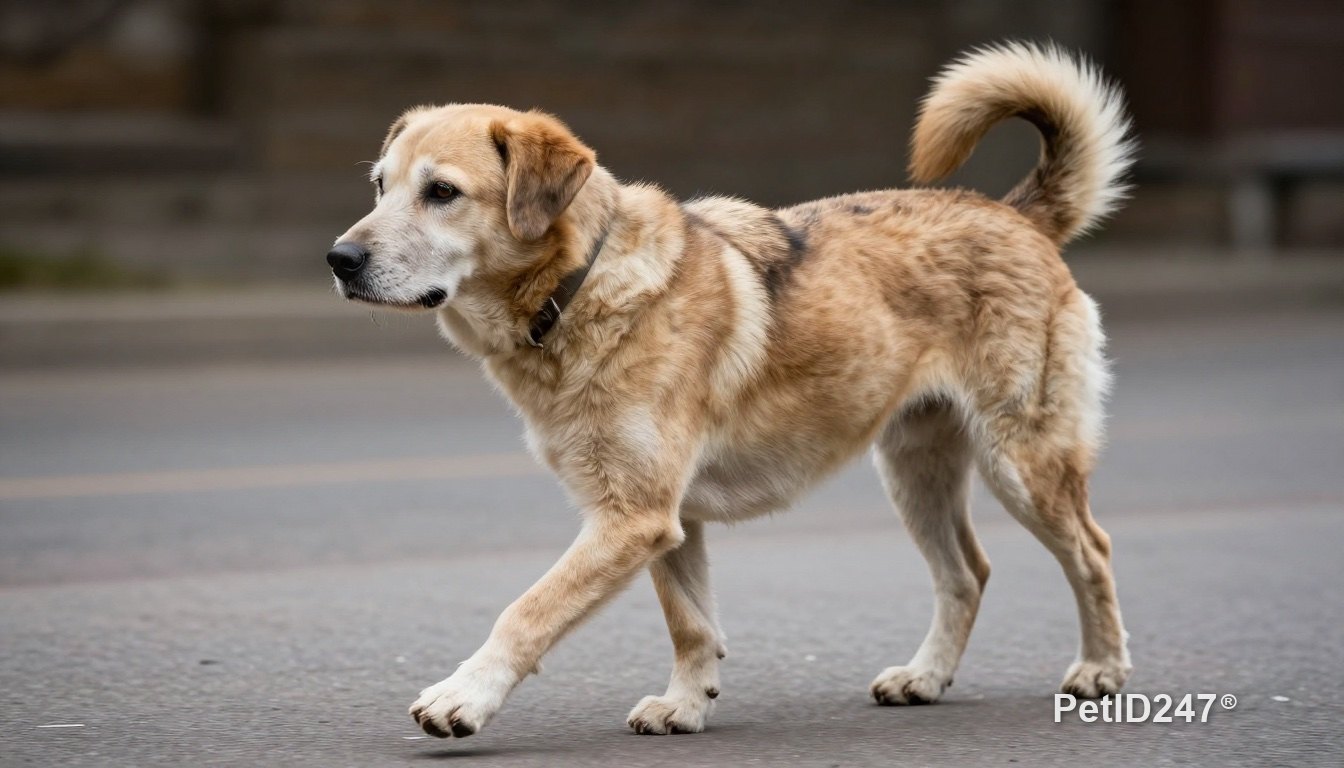
Adjusting exercise
Senior dogs still need daily exercise. It helps maintain muscle, keeps joints supple, controls weight and keeps spirits up. What needs to change is the type of exercise.
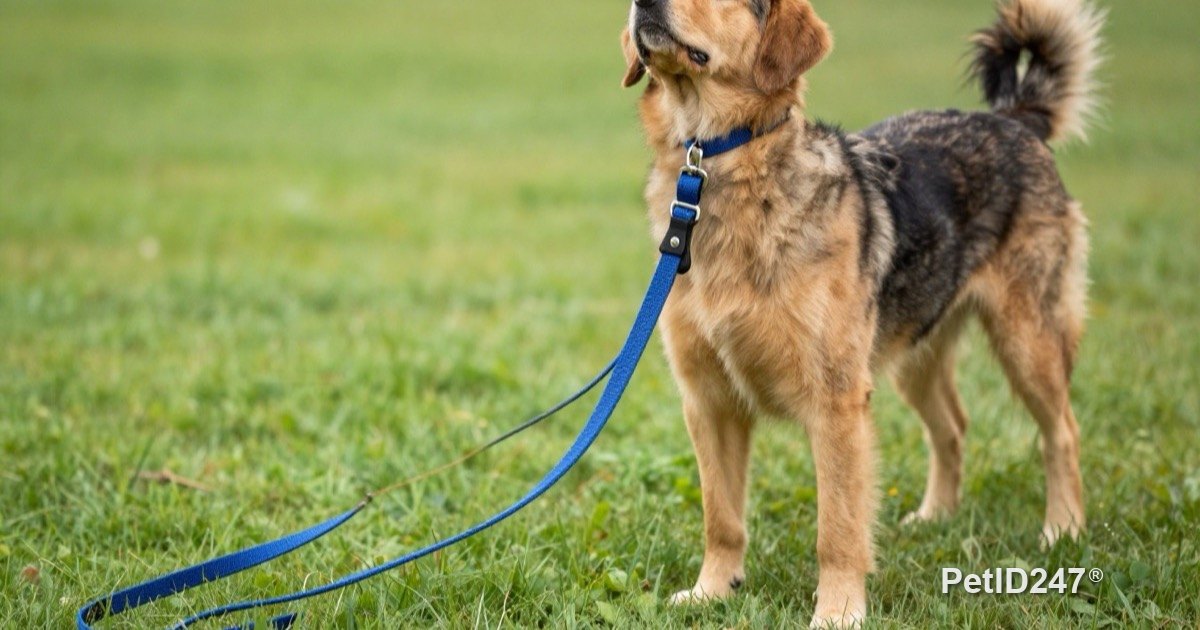
- Break it up: instead of one long walk, go for several short walks during the day.
- Let your dog set the pace: walk slowly and let your dog stop to sniff freely. Sniffing is also good mental exercise.
- Avoid strenuous or sudden activity: high jumps, sprints and lots of stairs.
- Avoid the hottest hours: older dogs tolerate heat less well. Go out early in the morning or in the cool of the evening.
- Gentle swimming in a safe, supervised place can be good exercise for the joints if your dog enjoys water and your veterinarian agrees.
- Mental exercise: food-stuffed toys, find-it games and practicing old cues help keep your dog sharp.
Adjustments around the home
- Lay non-slip rugs where your dog often walks, especially on shiny tiled floors.
- Use pet steps or lift your dog instead of letting it jump onto beds and sofas.
- Choose a thick, soft bed placed somewhere warm and quiet.
- Raise food and water bowls to a comfortable height if your dog has trouble bending down.
When to see a vet
For senior dogs, many veterinarians recommend more frequent checkups, often about every six months, possibly with blood and urine tests to catch disease early. Also take your dog to the vet if you notice:
- Unexplained weight loss or weight gain.
- Drinking and urinating much more than usual, or loss of bladder control.
- Refusing food, difficulty eating, or very bad breath.
- Limping, difficulty getting up, or crying out when touched.
- Coughing, rapid breathing, or tiring after light exercise.
- New lumps or bumps under the skin, or ones that grow quickly.
- Confusion, wandering at night, or not recognizing familiar people.
Don't assume these changes are "just old age". Many problems in senior dogs can be well managed if they are caught early.
This article was prepared with the help of artificial intelligence tools and reviewed by the PetID247 editorial team before publication. It is for reference only and does not replace an examination by a veterinarian.