Walking Your Dog in Public: Leash, Muzzle and Etiquette
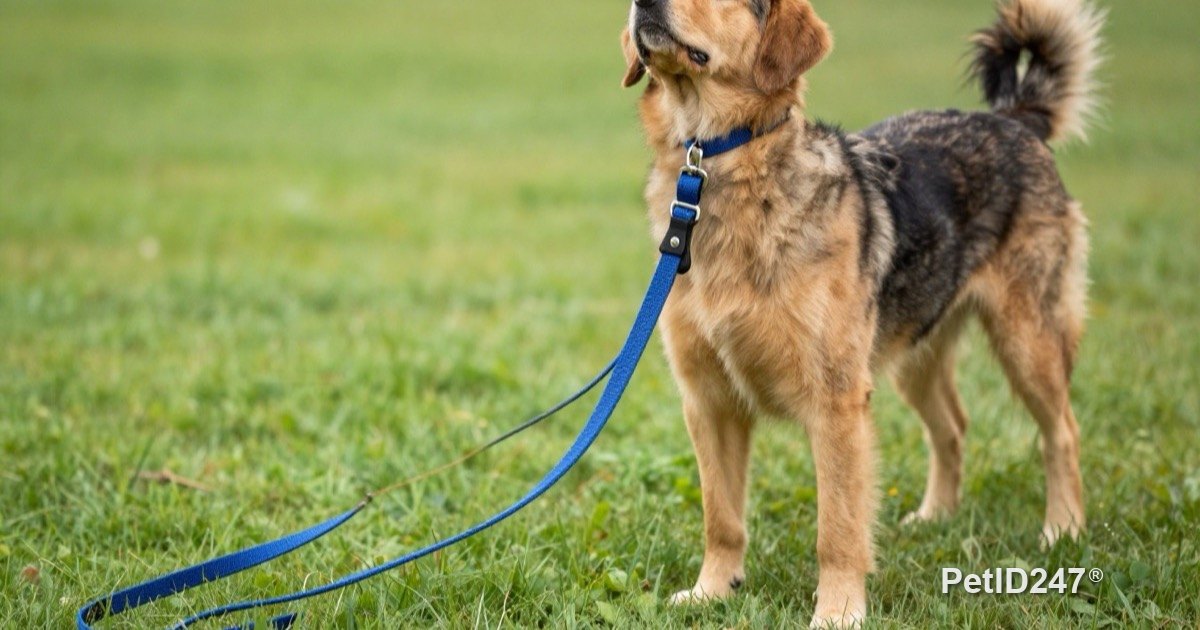
AI-generated illustration
Taking your dog to a park, busy street or cafe takes more than a leash. Tips on choosing a leash, muzzle training and the etiquette every owner should follow.
A well-behaved dog in public puts its owner at ease and the people around it at ease too. But it only takes one dash into the road or one jump at a small child for an accident to happen. Having the right equipment and good manners protects both your dog and your community.
Choosing the right leash
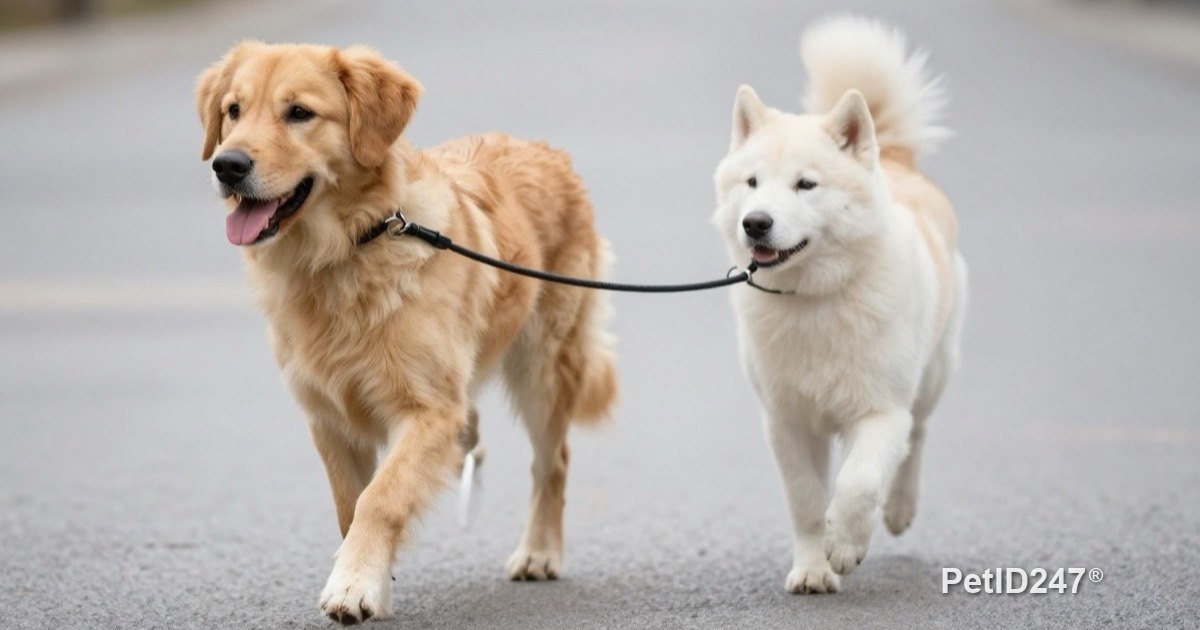
- A fixed-length leash of roughly 1.2–2 meters (about 4–6 feet) as a guide is the safest choice in crowded places, helping you keep your dog close.
- A retractable leash is handy in wide, quiet spaces, but hard to control when your dog suddenly bolts. The thin cord can cut people's hands and legs. If you use one, lock it short near traffic, strangers or other dogs.
- The collar or harness must fit well: being able to slide two fingers under it is about right. Dogs that back out of their gear to escape should wear a snug harness or an escape-proof collar.
- Check buckles, clips and stitching regularly. A rusty clip can give way at the worst possible moment.
Always have your dog wear a name tag with a contact phone number when you go out.
Muzzles: when they're needed and how to train
A muzzle does not mean a dog is aggressive. It is a safety tool, useful when a dog is frightened or in pain, at the vet, on public transport, or when the rules where you are going require it. Find out about and follow the rules where you live on walking dogs and muzzling them in public places.
Choosing the right type
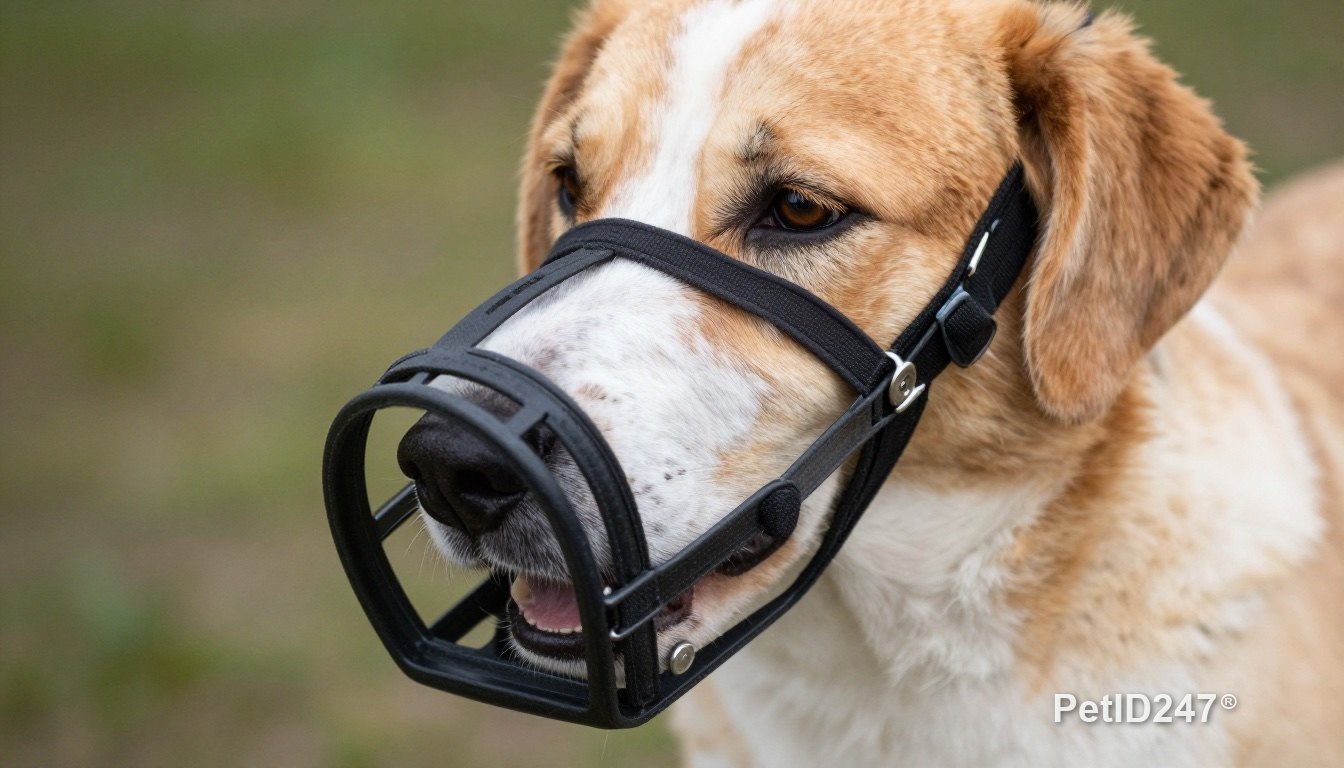
Choose a basket muzzle with enough room for your dog to open its mouth to pant, drink and take treats. Panting is a dog's main way of cooling down, so muzzles that hold the mouth closed should only be used very briefly, for example during an examination, and never in hot weather or during exercise.
Muzzle training step by step
- Let your dog sniff the muzzle and reward as soon as it comes close.
- Put a treat inside the muzzle so your dog pushes its nose in to get it.
- When your dog is comfortable, fasten the strap for a few seconds, take it off and reward again.
- Gradually increase the wearing time, pairing it with things your dog enjoys, like walks and play.
Train over several days and never force the muzzle on suddenly when your dog is already stressed.
Dog-walking etiquette
- Pick up after your dog: always carry bags, clean up your dog's poop and dispose of it properly. Try not to let your dog pee on other people's doorsteps, motorbikes or plant pots.
- Ask before letting your dog approach: not everyone likes dogs, and not every dog is friendly. Ask the other dog's owner before letting the two greet each other.
- Keep your dog close when passing children, elderly people, cyclists and riders, or in narrow spaces such as apartment hallways and elevators.
- Don't let your dog jump on strangers, even if it just wants to say hello.
- Respect signs: some parks, restaurants and residential areas don't allow dogs or only allow them in designated areas.
- Keep barking down in residential areas, especially early in the morning and in the evening.
Keeping your dog safe outdoors
- Only take your dog to crowded places once it has been vaccinated as directed by your veterinarian.
- Avoid the hottest hours of the day. Asphalt can get very hot: press the back of your hand on the pavement for about 5–7 seconds; if it's too hot for you, it's too hot for your dog's paws.
- Bring drinking water and let your dog rest in the shade.
- Watch for signs of stress: ears back, tail tucked, lip licking, repeated yawning, avoidance. If you see them, move your dog somewhere quieter.
- Don't let your dog eat things dropped on the street, which could be spoiled food, bone splinters or poison bait.
Summary
Walking your dog safely in public comes down to three things: sturdy, well-fitting equipment, a muzzle your dog is used to before it's ever needed, and good manners toward everyone around you. If your dog is often frightened, growls, or lunges at people or other dogs when out, consult your veterinarian or an experienced trainer for appropriate guidance.
This article was prepared with the help of artificial intelligence tools and reviewed by the PetID247 editorial team before publication. It is for reference only and does not replace an examination by a veterinarian.