Bringing a New Puppy Home: The First Week Guide
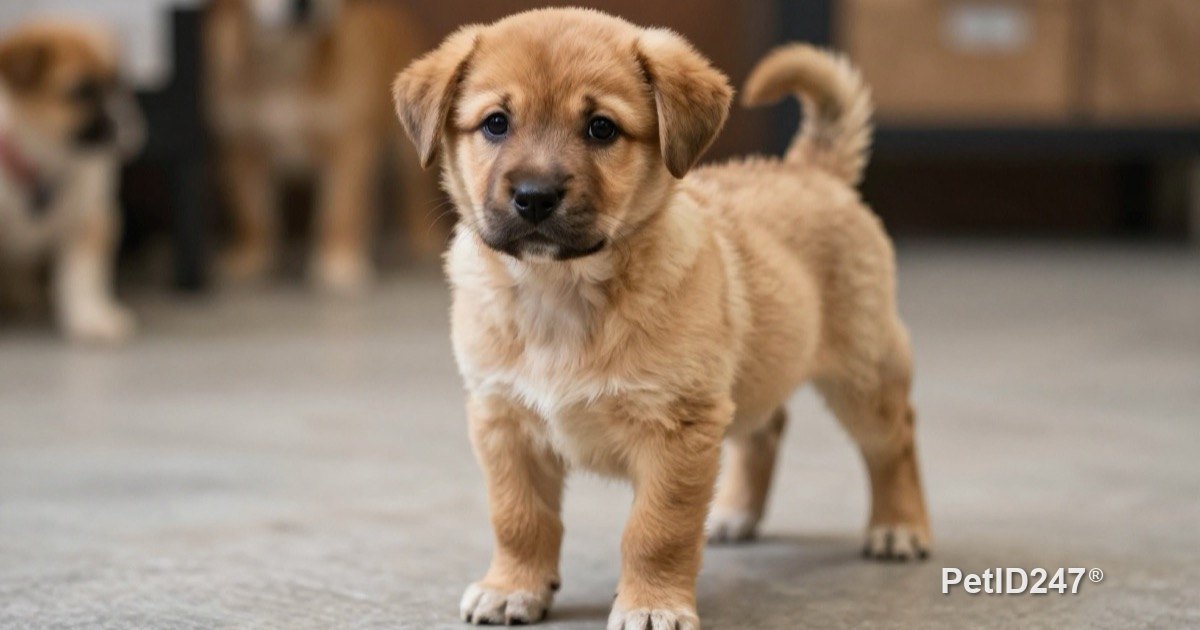
AI-generated illustration
The first week shapes how well a puppy settles into its new home. Here is what to prepare, plus tips on feeding, house training and keeping your puppy healthy.
Bringing a puppy home is a joy, but for the little dog it is the first time away from its mother and littermates, in a completely unfamiliar place. The first week should focus on three things: safety, stability and health. Preparing in advance makes the transition easier for both you and your puppy.
Get supplies ready before pick-up day
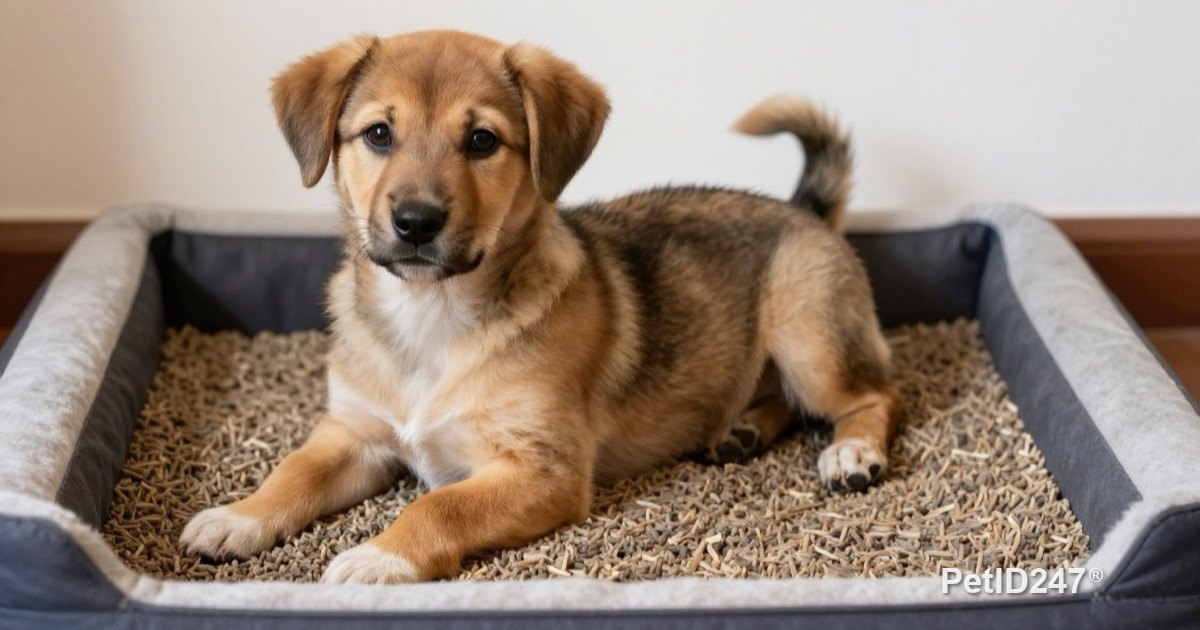
- A bed of its own: a cushion or a suitably sized crate placed in a quiet, draft-free corner out of harsh sunlight.
- Food and water bowls that are sturdy, hard to tip over and easy to clean.
- Food: ask the breeder or previous owner what the puppy is currently eating and ask for a little extra to use during the first days.
- A light, well-fitting collar or harness and leash.
- Potty pads, cleaning cloths and a pet-safe odor remover.
- Safe chew toys without small parts that could be swallowed.
Puppy-proof your home
Puppies are curious and love to chew everything. Put away electrical cords, shoes, plastic bags, medicines, cleaning chemicals, rat poison and human food. Some foods are dangerous for dogs, such as chocolate, grapes, raisins, onions, garlic and xylitol in sugar-free gum, so keep them out of reach. Block off stairs, balconies and gaps where a puppy could fall or get stuck.
The first days: stability comes first
Your puppy needs time to adjust. You should:
- Keep things calm. Avoid inviting lots of visitors or passing the puppy from hand to hand.
- Let the puppy explore one area at a time, starting with a small room.
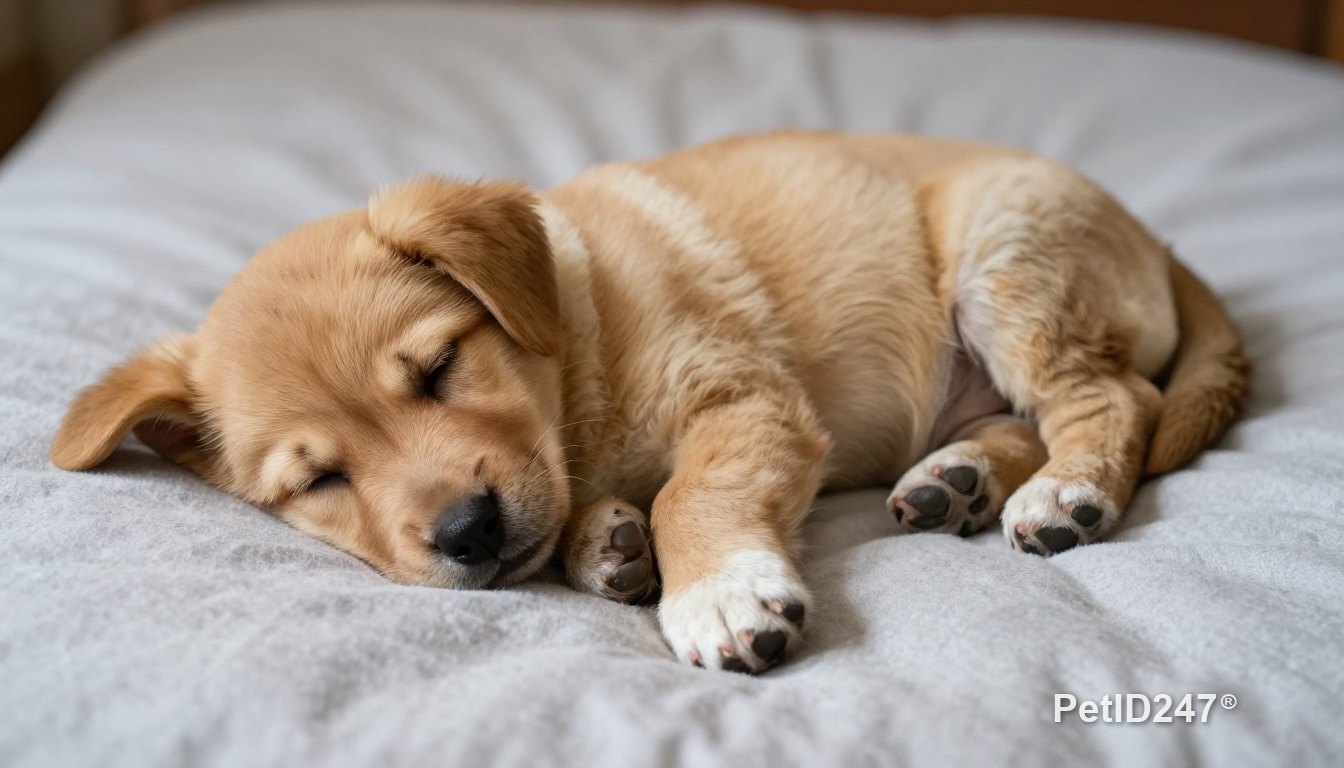
- Let the puppy sleep a lot. Puppies need to sleep for most of the day to grow.
- Put the bed near people for the first few nights. An old shirt that smells of you, or a cloth carrying the scent of the mother and litter (if you can get one), can help the puppy feel less lonely.
- Teach children how to hold a puppy properly: support both the chest and the rear, sit on the floor when playing, and never pull ears or tails.
Feeding and house training
Feeding correctly
During the first week, keep feeding the food your puppy is used to, to avoid digestive upset. If you want to switch, gradually mix the new food with the old over about 7–10 days. Puppies usually eat several small meals a day; the number of meals and portion size depend on age and breed, so check the guidance on the package and ask your veterinarian. Always provide fresh water. Don't give puppies cow's milk, as many dogs don't digest lactose well and can get diarrhea.
House training
- Take your puppy to the potty spot right after waking up, after eating, after playing and before bedtime.
- Use the same spot each time so the familiar smell helps your puppy recognize it.
- Praise and reward immediately when your puppy goes in the right place.
- If there's an accident, quietly clean it up with an odor remover. Don't scold and never push your puppy's nose into the mess; it only makes them fearful and more likely to go in hiding.
Health and vaccinations
Take your puppy for a general check-up within the first few days, even if it looks perfectly healthy. Bring the vaccination record and deworming information provided by the breeder or previous owner. The veterinarian will do a full examination, advise on deworming and parasite prevention, and set up a vaccination schedule.
As a common guideline, puppies usually start vaccinations at around 6–8 weeks of age and receive boosters until around 16 weeks of age or later. Rabies vaccination usually starts at around 3 months of age. The exact schedule, vaccine types and number of doses are decided by your veterinarian based on each puppy. Dewormers should also be used only as directed by your veterinarian; read the product label carefully.
Until vaccinations are complete, limit your puppy's contact with the ground in public places, parks or areas with lots of unfamiliar dogs. You can still introduce your puppy to new sounds, people and environments safely, for example by carrying it around or letting it meet healthy, fully vaccinated dogs at a friend's home.
When to see a vet
Puppies are more fragile than adult dogs and can go downhill very quickly. See a vet right away if you notice:
- Loss of appetite, lethargy or reduced activity.
- Repeated vomiting or diarrhea, especially if the stool is bloody or has an unusual foul smell.
- Coughing, nasal discharge or a lot of eye discharge.
- A swollen belly, difficulty breathing or seizures.
- A suspicion that your puppy has swallowed a foreign object or eaten something toxic.
Don't "wait and see" when your puppy shows these signs. Early treatment improves the chance of success.
This article was prepared with the help of artificial intelligence tools and reviewed by the PetID247 editorial team before publication. It is for reference only and does not replace an examination by a veterinarian.