How Often Should You Bathe Your Dog?
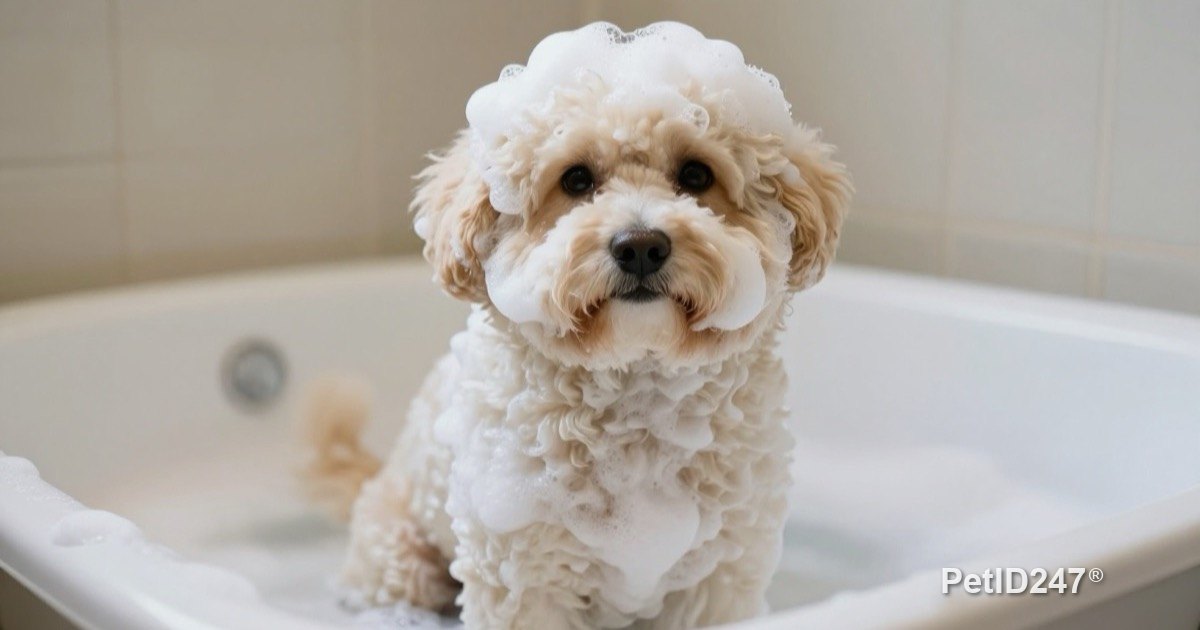
AI-generated illustration
Too few baths leave a dog smelly; too many dry out the skin and cause itching. How to choose a bathing frequency for your dog's coat and lifestyle, step by step.
Many people assume that the more often you bathe a dog, the cleaner it will be, but that isn't quite true. A dog's skin is thinner than ours and has a protective layer of natural oils. Bathing too often strips away those oils, while bathing too rarely lets dirt and odor build up.
There is no single number for every dog
For many healthy indoor dogs, a bath roughly every 2–4 weeks is a common guide. Some dogs only need one every month or two. The right frequency depends on several factors:
- Coat type: dogs with short, smooth coats usually need fewer baths. Long-haired and curly-coated dogs get dirty and tangled more easily and may need more frequent bathing and brushing. Double-coated dogs need to be dried very thoroughly after a bath.
- Skin: some breeds with deep skin folds or oily skin tend to smell more.
- Lifestyle: dogs that run around the yard, wade in water or roll in dirt need more baths than dogs that stay mostly indoors.
- Climate: hot, humid weather makes dogs smell sooner, but also makes fungal infections more likely if the coat isn't dried completely.
- Health: dogs with skin conditions may need a special bathing schedule with a medicated shampoo, as directed by your veterinarian.
The simplest approach is to observe: when your dog starts to smell, its coat feels greasy, or it has just gotten into something dirty, it's time for a bath.
Signs you're bathing too often or not often enough
Bathing too often
- Dry skin with white, dandruff-like flakes.
- More scratching after each bath.
- A dull, coarse coat that has lost its shine.
Not bathing often enough
- A noticeable odor and greasy coat.
- Matted patches, especially behind the ears, in the armpits and on the thighs.
- Built-up dirt and dead hair, which give ticks and lice a place to hide.
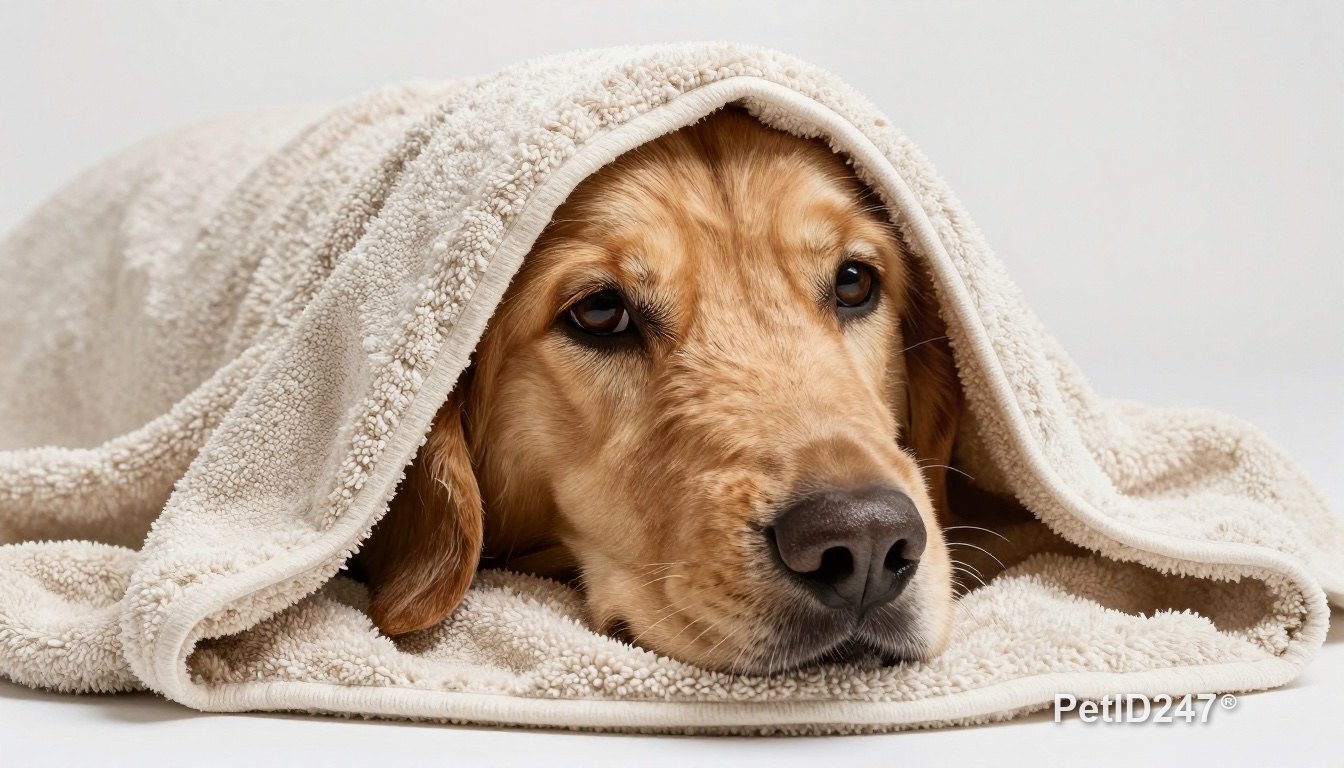
How to bathe your dog properly
- Brush before the bath: work out tangles and remove dead hair. Tangles that get wet tighten up and are harder to remove.
- Prepare lukewarm water: test it on your wrist; comfortably warm is right, never hot.
- Wet from the neck to the tail: avoid pouring water directly over the head, ears and eyes. You can gently place a cotton ball in each ear to keep water out; remember to take them out afterward.
- Use a shampoo made for dogs: a dog's skin has a different pH from ours, and human shampoo can dry and irritate it. Read the product label carefully. Dilute it if the label says so, lather evenly and massage gently.
- Wipe the face with a damp cloth instead of putting shampoo on it.
- Rinse thoroughly: leftover shampoo is a common cause of itching. Keep rinsing until the coat no longer feels slippery.
- Dry completely: towel off, then use a dryer on a warm or cool setting, held well away from the skin. In hot, humid climates, a coat that stays damp easily develops fungus and odor. Pay special attention to the armpits, groin, between the toes and the outer ears.
- Reward your dog so it associates bath time with something pleasant.
Keeping your dog clean between baths
A dirty dog doesn't always need a full bath. These small habits keep your dog clean for longer and reduce how often you need to bathe it:
- Brush regularly: several times a week for long-haired dogs, less often for short-haired ones. Brushing spreads natural oils and removes dust and dead hair.
- Wipe the paws after walks with a damp cloth, then dry between the toes.
- Clean the ears and eyes the way your veterinarian shows you, without probing deep into the ear canal.
- Wash your dog's bed and blankets regularly. A dirty bed makes a freshly bathed dog smell again in no time.
- Check for ticks and fleas while brushing, especially after your dog has played on grass.
Puppies and senior dogs
Puppies get cold easily, so bathe them in a draft-free room, work quickly and dry them straight away. Ask your veterinarian when to give the first bath and about bathing around vaccination days. Senior dogs or dogs with sore joints need a non-slip bathing area and shouldn't have to stand for too long.
Summary
- There is no universal bathing schedule. A common guide for many indoor dogs is once every few weeks.
- Adjust for coat, skin, lifestyle and climate.
- Use a dog shampoo, rinse thoroughly and dry completely.
- Brush and wipe the paws between baths.
- If your dog still itches a lot, loses hair in patches, has red skin or an unusual odor despite regular baths, take it to the vet, as it may have a skin condition.
This article was prepared with the help of artificial intelligence tools and reviewed by the PetID247 editorial team before publication. It is for reference only and does not replace an examination by a veterinarian.