Potty Training a Dog: A Step-by-Step Guide
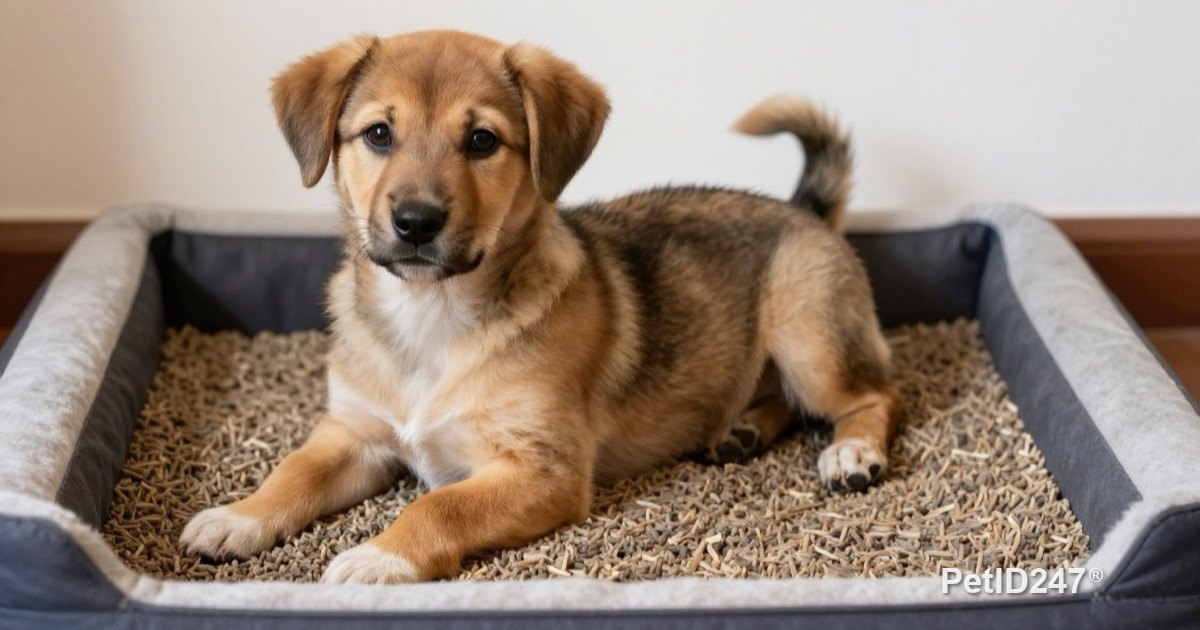
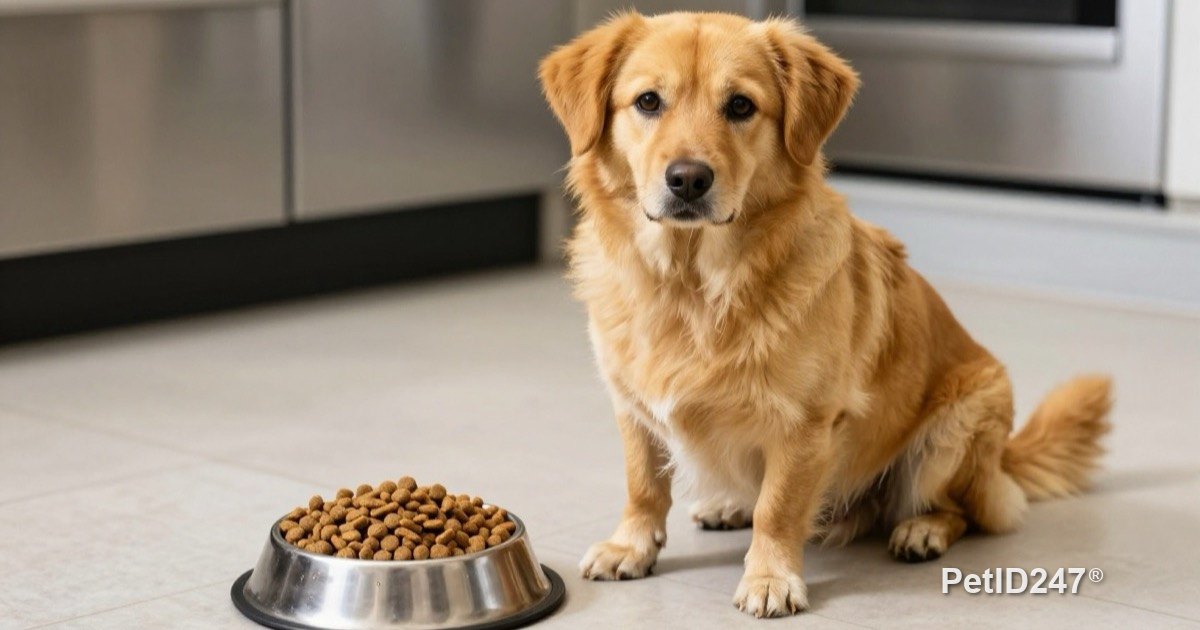
AI-generated illustration
Potty training takes a steady routine, well-timed rewards and lots of patience. A step-by-step guide for puppies and newly adopted adult dogs.
Potty training is the first and most important lesson when you bring a dog home. Most dogs learn within a few weeks if their owners stay consistent and avoid punishment. The secret lies in a routine, the timing of rewards, and patience.
Understand your dog before you start
Puppies can't control their bladders as well as adult dogs. A rough rule of thumb often quoted is that a puppy can hold it for about as many hours as its age in months plus one, and rarely more than a few hours during the day. Don't expect a two-month-old puppy to hold on for a whole morning or afternoon.
Dogs also instinctively avoid soiling the places where they eat and sleep, and they like to return to spots that already smell of them. These two traits are exactly the tools you'll use to teach your dog.
Set up a potty spot
- Pick one fixed spot: a litter tray, a pee pad, a corner of the balcony or a place in the yard. It should be away from where your dog eats and sleeps.
- If your puppy isn't fully vaccinated yet: use a spot indoors or a private area, and avoid public lawns where many unfamiliar dogs pass.
- Have rewards ready: a few small treats your dog loves, kept somewhere easy to grab.
- A crate or small pen: helps you manage your dog when you can't supervise directly. The crate only needs to be big enough for your dog to stand, turn around and lie down comfortably.
- An enzymatic odor remover: use it to clean up accidents. Floor cleaners that smell of ammonia can make your dog think the spot is a toilet.
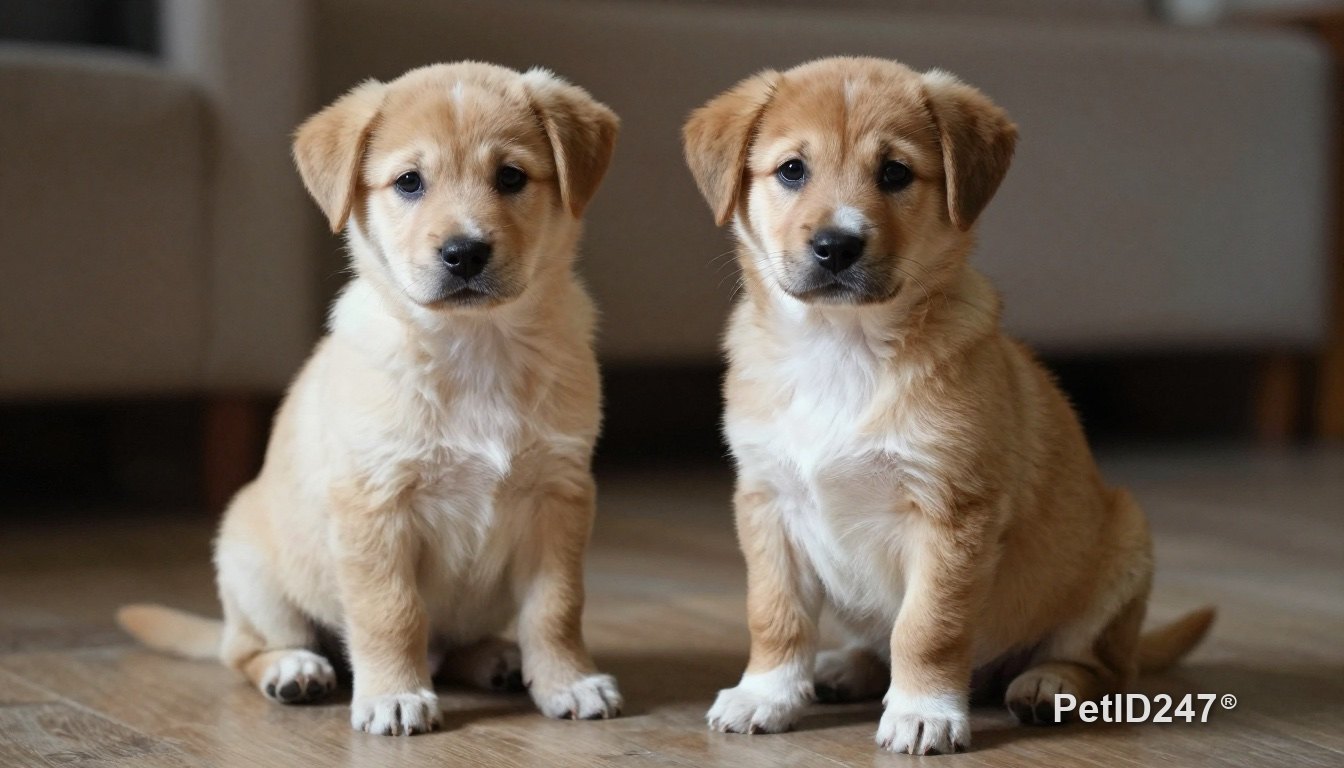
Steps to potty train your dog
- Take your dog to the potty spot at the right moments: right after waking up, about 10–30 minutes after eating or drinking, after play, and before bed. For puppies, take them out roughly every one to two hours during the day.
- Use a short cue: for example, "go potty". Say it gently as your dog starts to go, and over time your dog will link the cue with the action.
- Reward immediately: within a few seconds of your dog finishing, right on the spot. Praise in a happy voice and give a treat. Rewarding once you're back inside is too late; your dog won't understand what the reward is for.
- Watch for signals: sniffing the floor, circling, suddenly leaving play, heading to the door or whining. When you see these, take your dog to the potty spot straight away.
- Feed at set times: regular meals lead to regular, more predictable potty times. Avoid leaving food out all day.
- Limit space when you can't supervise: put your dog in a crate or a small area lined with pads. Expand the space gradually as accidents become rare.
Handling accidents
Accidents are a normal part of learning. How you react decides whether your dog learns quickly or slowly.
- Don't yell, don't hit, and don't rub your dog's nose in the mess. Your dog won't understand that it is being punished for going in the wrong place; it will only learn that going in front of you is dangerous. The result is a dog that sneaks off to hidden corners.
- If you catch it in the act: interrupt gently, for example with a single clap, then carry or lead your dog straight to the right spot. Praise if it finishes there.
- If you find it afterward: just clean it up quietly. Use an odor remover so your dog doesn't come back to the same spot.
- Review your routine: accidents are often a sign that you aren't taking your dog out often enough or have given it freedom too soon.
Newly adopted adult dogs
An adopted adult dog may also need to learn from scratch, because its new home is completely different. Follow the same steps as for a puppy; the only difference is that the gaps between potty trips can be longer. Adult dogs usually learn faster than puppies.
When it isn't a training problem
If a dog that was already house-trained suddenly starts having accidents, consider health causes such as a urinary tract infection, diarrhea or kidney disease, or stress from changes at home. Unneutered males may urine-mark their territory, and senior dogs may find it harder to hold on. In these cases, have your dog checked by a veterinarian before continuing training.
Summary
- Choose one fixed spot, away from where your dog eats and sleeps.
- Take your dog out at key times: after waking, after meals, after play and before bed.
- Reward immediately, right on the spot.
- Never punish; clean accidents with an odor remover.
- Be patient. Most dogs need a few weeks, and some take longer. If a house-trained dog suddenly starts having accidents, see a vet.
This article was prepared with the help of artificial intelligence tools and reviewed by the PetID247 editorial team before publication. It is for reference only and does not replace an examination by a veterinarian.