Dog Diarrhea: When to See a Vet
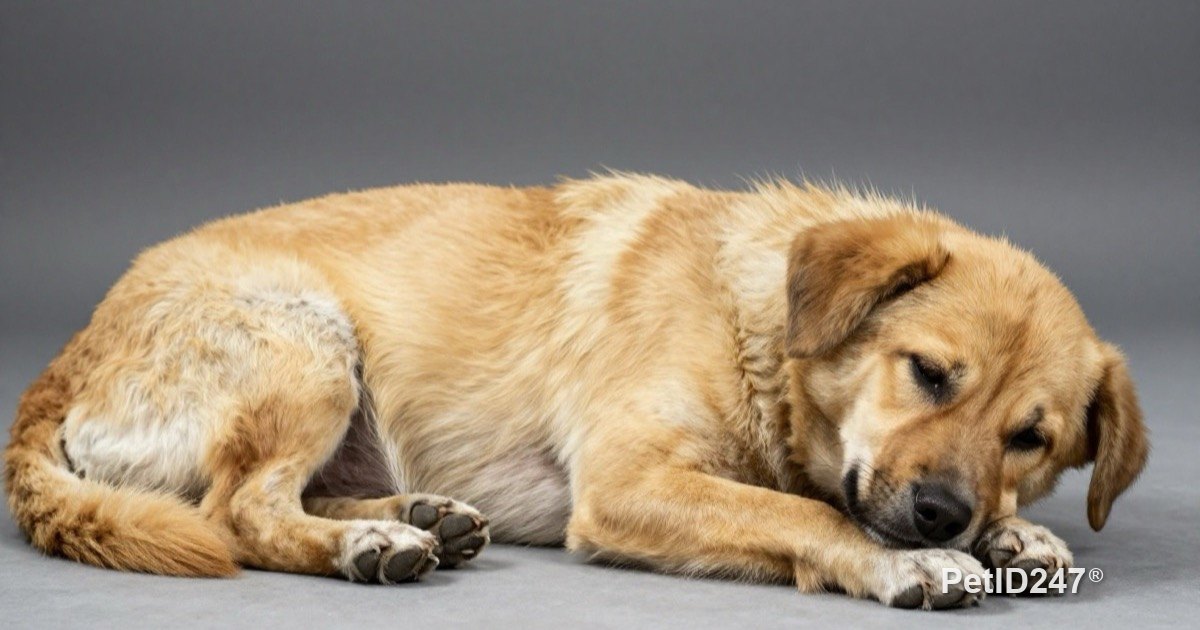
AI-generated illustration
Diarrhea in dogs can be a mild upset or a sign of serious illness. Learn how to tell the difference, give first care at home and know when your dog needs a vet.
Diarrhea is one of the most common reasons owners worry. Many mild cases clear up on their own within a day or two, but some get worse very quickly, especially in puppies. What matters is observing carefully and not hesitating when warning signs appear.
Common causes
- Dietary indiscretion: raiding the trash, eating spoiled food, fatty food, bones or human leftovers.
- A sudden change of food without a gradual transition.
- Intestinal parasites such as worms, coccidia and Giardia.
- Viral infections, the most dangerous being Parvovirus, which is common in puppies that aren't fully vaccinated.
- Bacterial infections from contaminated food or water.
- Stress from moving house, traveling or boarding somewhere unfamiliar.
- Swallowing a foreign object, poisoning, or side effects of medication.
- Other conditions such as pancreatitis, liver or kidney disease, food allergies and chronic inflammatory bowel disease.
What to observe when your dog has diarrhea
Before calling the vet, note the following. It helps the vet assess the situation faster and more accurately:
- When the diarrhea started and how many times a day it happens.
- Whether the stool is loose or watery, contains mucus, bright red blood, or is black like coffee grounds.
- Whether your dog is vomiting, refusing food or water, or seems tired.
- Whether your dog has recently eaten anything unusual, had a food change, may have swallowed an object or been exposed to something toxic.
- Vaccination and deworming status.
Taking a photo of the stool or bringing a small fresh sample in a sealed bag to the appointment is often very helpful.
Home care for mild cases
If your adult dog is still alert and happy, still drinking, not vomiting, and the stool is only slightly loose with no blood, you can monitor at home for a short time:
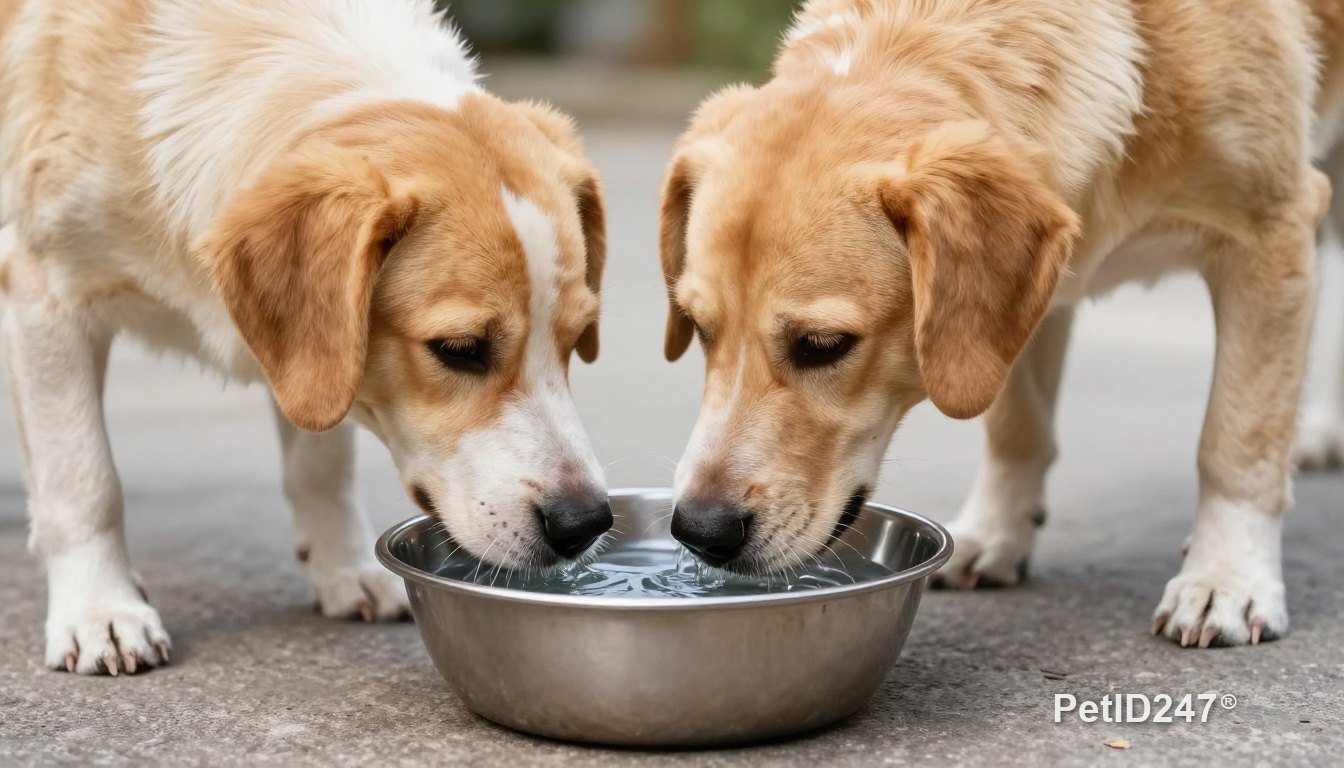
- Always provide fresh water. Dehydration is the main risk with diarrhea. Offer small amounts at a time if your dog gulps too fast.
- Feed a bland diet. Some veterinarians may recommend a short rest for the gut or easily digestible food such as boiled, skinless, boneless chicken mixed with white rice, split into several small meals. Ask your vet which approach suits your dog, especially if it is young or has an underlying condition.
- Return to the usual food gradually over a few days once the stool is normal.
- Keep things hygienic: pick up stool right away, wash your hands and clean the area with a suitable cleaner, since some pathogens can spread to other dogs.
What not to do:
- Don't give your dog anti-diarrhea medicine, antibiotics or human medicines on your own. Some can cause harm or mask the illness. Any medicine should be used only as directed by your veterinarian.
- Don't give milk, or fatty and heavily seasoned food.
- Don't keep monitoring at home for long if things aren't improving.
Preventing diarrhea
- Keep vaccinations up to date on the schedule your veterinarian sets.
- Deworm and prevent parasites regularly as directed by your vet.
- Change food gradually, and don't feed leftovers or spoiled food.
- Keep trash cans covered and put away chemicals and small objects.
- Don't let your dog drink from ponds or stagnant puddles.
When to see a vet
Take your dog to a veterinarian right away if you notice any of the following:
- Diarrhea in a puppy, a senior dog or a dog with an existing health condition.
- Bloody stool, black tarry stool, or diarrhea with an unusual foul smell.
- Repeated vomiting along with diarrhea, or being unable to keep water down.
- Lethargy, weakness, loss of appetite, fever or a low body temperature.
- Signs of dehydration: dry gums, skin that is slow to return when gently pinched up, sunken eyes.
- A swollen belly, pain when the belly is touched, or straining without passing stool.
- A suspicion that your dog swallowed a foreign object, a toxin or medicine.
- Your dog is not fully vaccinated.
Even if your dog seems well, see a vet to find the underlying cause if diarrhea lasts more than 24–48 hours, keeps coming back, or your dog is losing weight.
This article was prepared with the help of artificial intelligence tools and reviewed by the PetID247 editorial team before publication. It is for reference only and does not replace an examination by a veterinarian.