Loose Leash Walking: Teach Your Dog Not to Pull
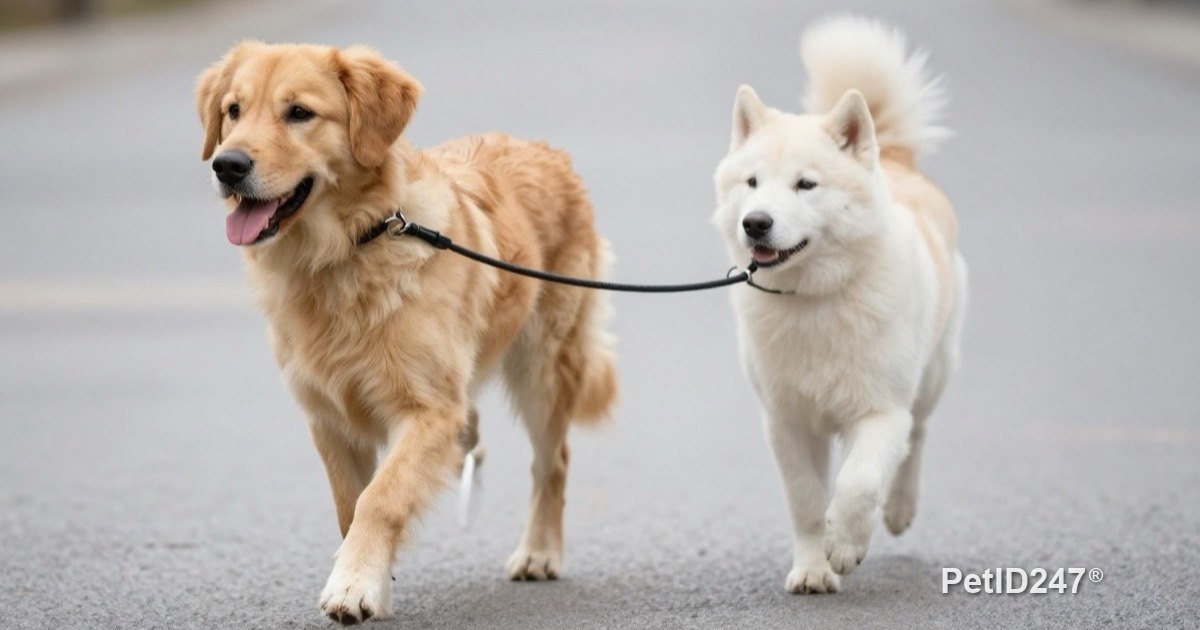
AI-generated illustration
Leash pulling is a habit you can fix. This step-by-step guide shows how to teach your dog to walk beside you using rewards, patience and the right equipment.
Being dragged down the street every time you go out makes walks exhausting and can even be dangerous. The good news is that leash pulling is a learned behavior, so it can be unlearned. All you need is one consistent rule and a few weeks of regular practice.
Why dogs pull on the leash
Dogs don't pull because they want to "dominate" you. The reasons are usually much simpler:
- Dogs walk faster than people, and the outside world is full of fascinating smells.
- Every time they pull, they get to move forward. In other words, pulling has been accidentally rewarded.
- They have pent-up energy because they don't get enough exercise.
- They have never been taught to walk beside a person on a loose leash.
Once you understand this, your goal is clear: make pulling achieve nothing, and make walking on a loose leash bring lots of good things.
Getting ready to train
The right equipment
- A fixed-length leash, roughly 1.5–2 meters (about 5–6 feet) as a guide. Retractable leashes aren't suitable for training because the line is always tight, which teaches the dog that pulling gets them farther.
- A front-clip harness gently reduces pulling and puts less pressure on the neck than a collar.
- Avoid choke chains, prong collars and shock collars. They can cause pain and neck injuries and make dogs more fearful and stressed.
- Small treats your dog loves, cut into tiny pieces and kept in a waist pouch so they're easy to grab.
Choosing the time and place
Start somewhere with few distractions, such as indoors, a hallway or the yard. Let your dog play or run around a bit before the session to burn off some energy. Each session should last only about 5–10 minutes; short and regular works better than long and tiring.
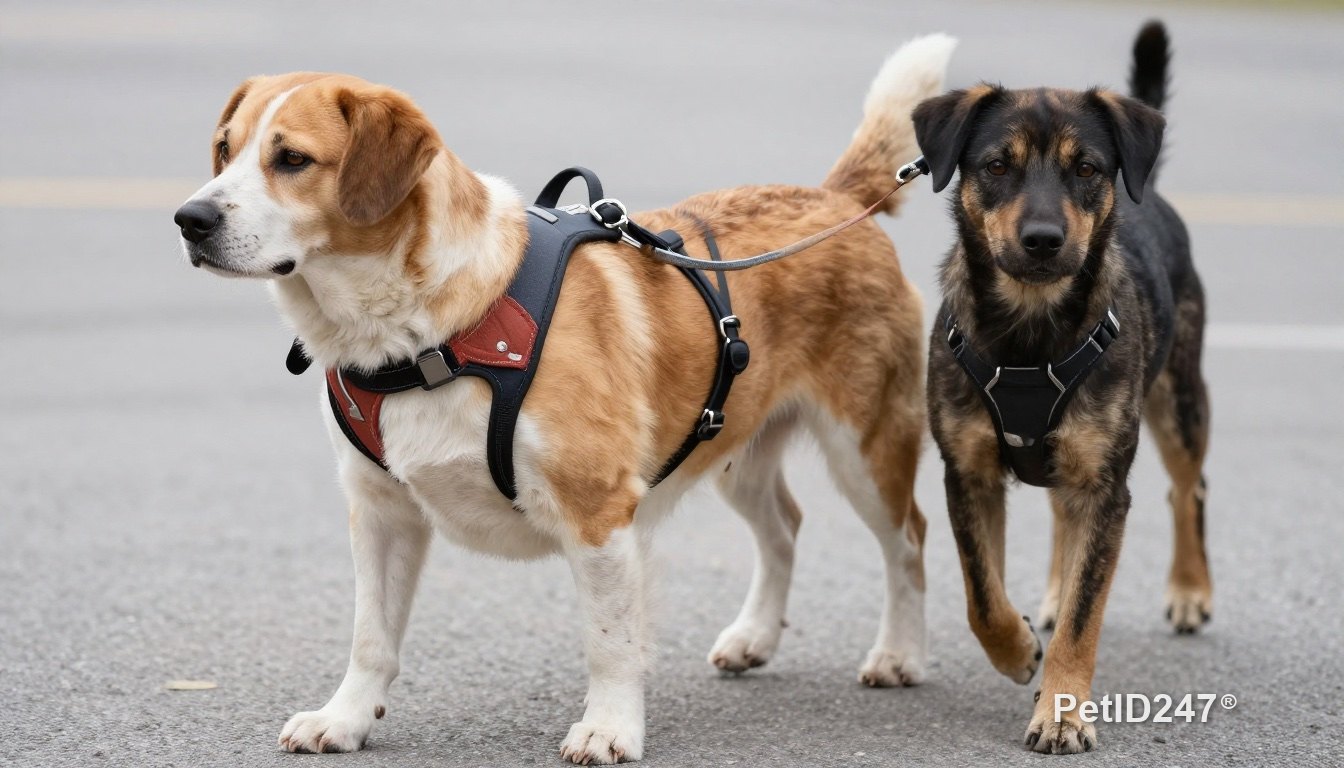
Steps to teach your dog not to pull
- Reward the position beside you. Stand still; when your dog comes to stand near your leg, praise them and give a treat right next to your leg. Repeat many times so your dog learns that being by your side is "the good spot".
- Take a few steps and reward. Take one or two steps. If the leash stays loose and your dog is beside you, praise and reward. Gradually build up to five, then ten steps before each reward.
- Stop when the leash goes tight. The moment the leash tightens, stand still like a post. Don't jerk the leash and don't shout. Wait until your dog looks back at you or steps back so the leash goes slack, then praise and walk on.
- Change direction. If your dog keeps lunging one way, calmly turn and walk the opposite way. When your dog catches up and walks beside you, reward straight away.
- Add a cue. Once your dog is doing well, add a short cue such as "heel" or "with me" just before you start walking. Use the same word consistently across the whole family.
- Increase the difficulty gradually. Move from indoors to the yard, then to quiet streets, and only at the end to busy places with lots of people and other dogs.
Common mistakes
- Inconsistency: stopping when your dog pulls one day, then letting them drag you the next because you're in a hurry. Your dog learns that pulling sometimes works. If you're rushed, treat it as a "non-training" walk and use a front-clip harness to limit pulling.
- Jerking the leash or scolding: this can frighten your dog, hurt their neck and damage the trust between you.
- Expecting results too fast: most dogs need a few weeks to walk reliably, and older dogs used to pulling may need longer.
- Not letting your dog sniff: sniffing is a natural need that helps dogs relax. Mix in moments where your dog is allowed to stop and explore, and treat that as a reward too.
Summary
Teaching loose leash walking rests on one simple idea: a tight leash means no progress, a loose leash means rewards and moving forward. Use a fixed-length leash, a suitable harness, short sessions, small treats and patience from the whole family. If your dog pulls out of fear, reacts strongly to other dogs, or suddenly starts limping or seems reluctant to walk, consult your veterinarian or an experienced trainer to find the cause.
This article was prepared with the help of artificial intelligence tools and reviewed by the PetID247 editorial team before publication. It is for reference only and does not replace an examination by a veterinarian.