Microchipping Your Dog: Benefits and What to Know

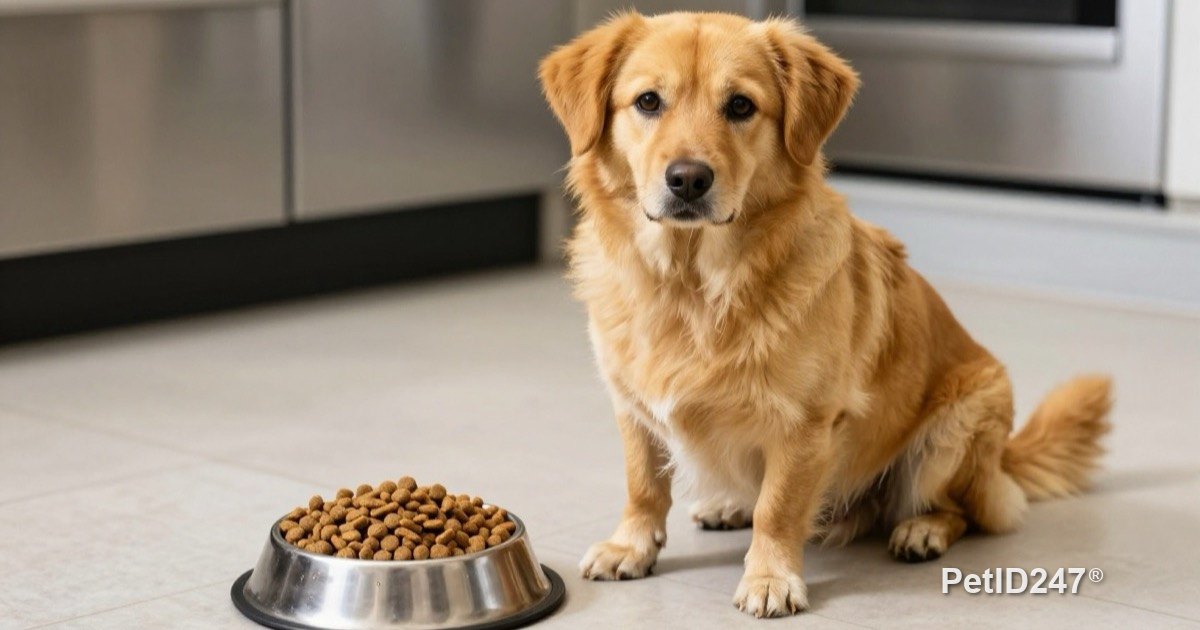
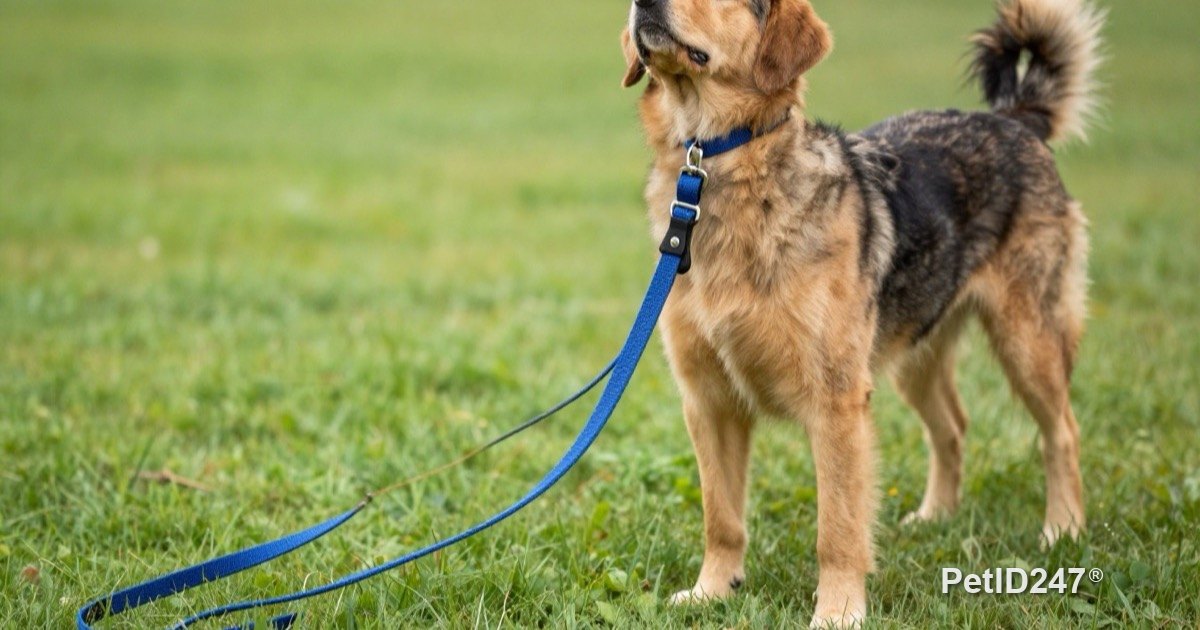
AI-generated illustration
A rice-sized microchip gives a lost dog a better chance of getting home. Learn how chips work, how they are implanted and what to remember afterwards.
A dog can get lost because of one gate left open or one sudden firework bang. Collars and name tags can fall off, but a microchip under the skin always stays with your dog. It is a simple step that gives a lost dog a better chance of coming home.
What is a microchip?
A pet microchip is a tiny chip, about the size of a grain of rice, encased in glass or another biocompatible material. Each chip carries its own unique number. Most pet microchips today follow the international ISO standard, with a 15-digit code.
The chip has no battery and does not transmit a signal continuously. It only responds and displays its number when a scanner is held close to it. Using that number, the person scanning looks it up in a database to find the owner's contact details.
What a microchip can't do
- A microchip is not a GPS tracker and can't tell you where your dog is.
- A microchip does not store your name or phone number. That information lives in the database where you registered it.
- A microchip doesn't replace a collar with a name tag, which lets whoever finds your dog contact you right away without a scanner.
Benefits of microchipping
- A better chance of finding a lost dog, especially when the dog is taken to a veterinary practice or animal rescue center with a scanner.
- Proof of ownership in case of a dispute or theft.
- Linking health records, such as vaccinations, to a single unique ID.
- Often a requirement for taking your dog abroad in many countries.

How a microchip is implanted
The chip is implanted under the skin by a veterinarian, usually between the shoulder blades, using a special needle. It is quick, similar to an ordinary injection, and usually doesn't require anesthesia. Many owners choose to have it done at a vaccination visit or when the dog is spayed or neutered, so the dog is disturbed less.
Some things you should do:
- Have the chip implanted at a qualified veterinary practice with sterile equipment.
- Ask the vet to scan the chip before implanting it to confirm the number, and scan again afterwards.
- Keep the certificate or sticker showing the chip number, and save a photo of it on your phone.
- Register your contact details in the database right after implantation.
Puppies can be microchipped from a young age; your veterinarian will advise on the right time.
Risks and aftercare
Microchipping is considered a safe procedure and side effects are rare. Possible issues include:
- Mild soreness or slight swelling at the site for a day or two.
- Infection at the implant site, which is very rare when done correctly.
- The chip moving from its original position, making it harder to scan.
- A faulty chip that can't be read, which is also rare.
After implantation, avoid bathing or rubbing the area hard for a few days, and watch for redness, swelling or discharge. At each routine check-up, you can ask the vet to scan the chip to make sure it still reads properly.
Summary
A microchip is only truly useful when the information linked to it is accurate. Remember to:
- Register and update your details whenever you change your phone number or address, or when the dog changes owners.
- Keep your dog wearing a collar with a name tag showing a contact number.
- Have the chip checked at routine vet visits.
- Find out about and follow the rules where you live on registering and managing pet dogs.
- If your dog goes missing, contact nearby veterinary practices and rescue centers straight away and give them the chip number.
A tiny chip and a few minutes keeping your details up to date can be what brings your four-legged friend back to the family.
This article was prepared with the help of artificial intelligence tools and reviewed by the PetID247 editorial team before publication. It is for reference only and does not replace an examination by a veterinarian.