Fish Tanks and Young Children: Electrical and Water Safety
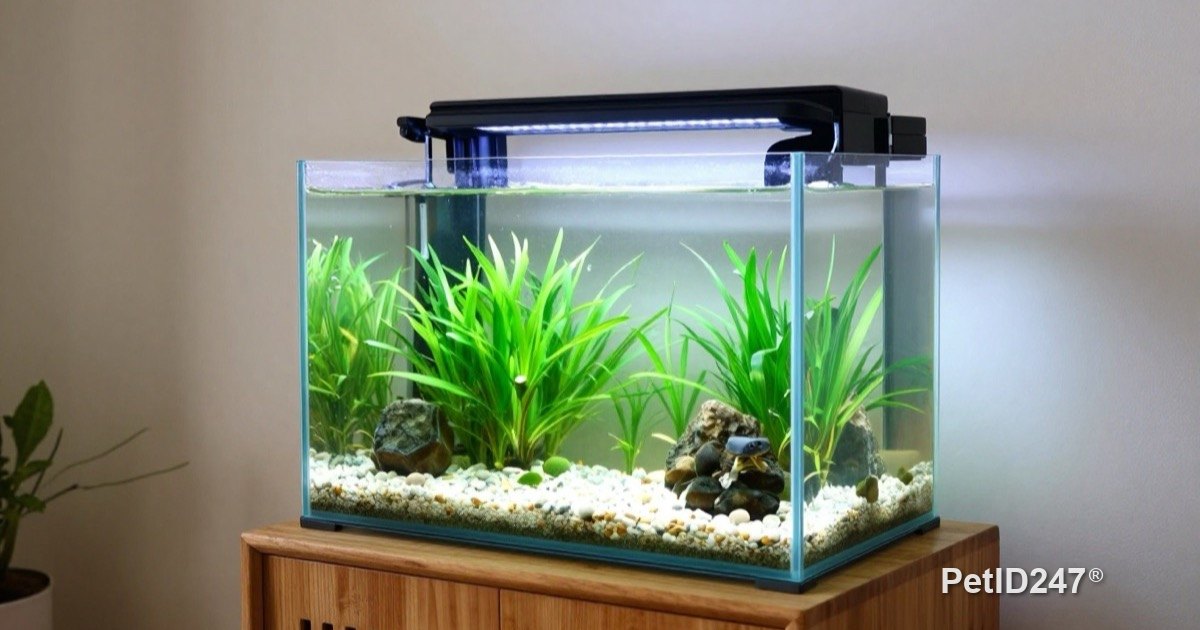
AI-generated illustration
An aquarium brings kids joy but also risks: electricity, drowning, broken glass and chemicals. Here's how to set up your tank and build habits that keep everyone safe.
Young children are often fascinated by fish tanks and can sit for ages watching the fish swim. But an aquarium combines two things that are dangerous for children, electricity and water, not to mention glass, tools and chemicals. With careful setup and a few simple habits, you can keep both your child and your fish safe.
Electrical safety around the tank
A tank usually has several plugged-in devices: filter, light, heater and air pump. With water and electricity so close together, take extra care:
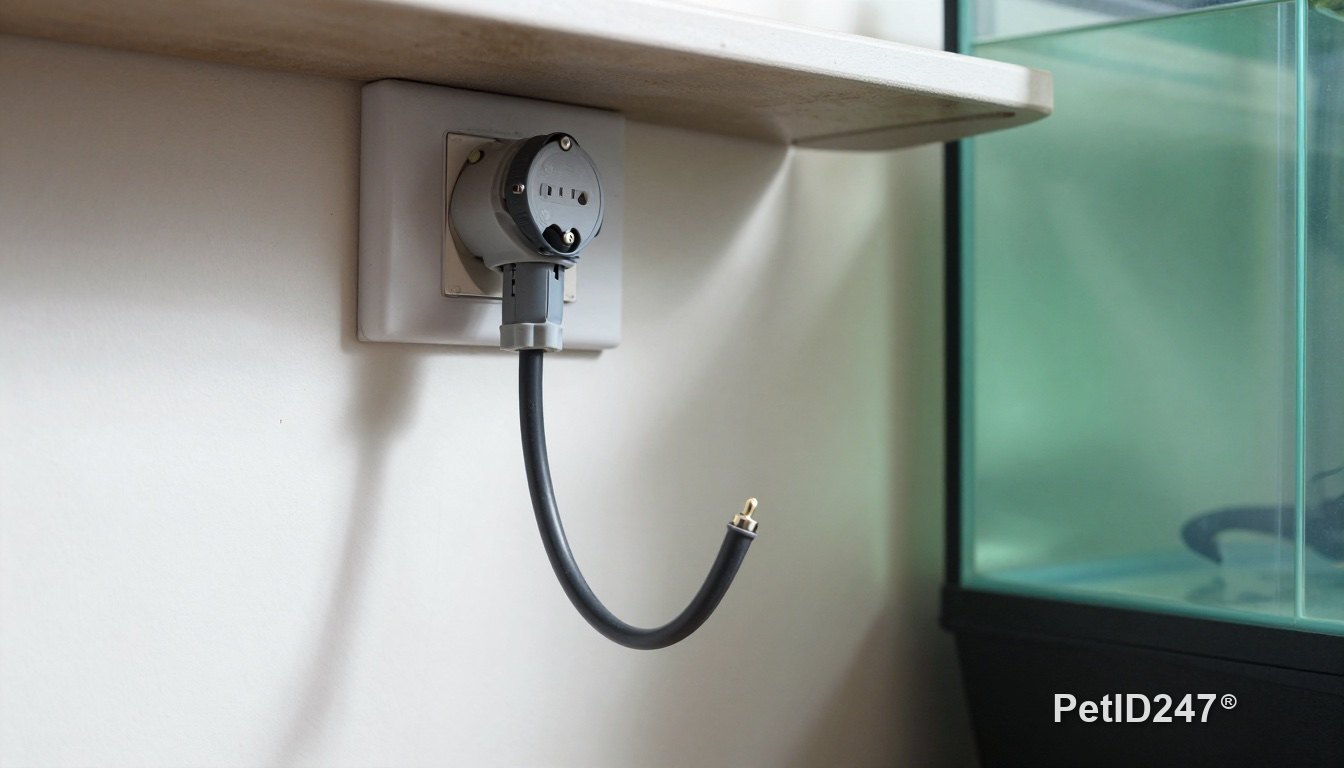
- Make a drip loop in every cord: let each cord hang down in a loop lower than the socket before it rises to the plug. If water runs along the cord, it drips off the lowest point instead of running into the socket.
- Place sockets higher than the tank or somewhere dry, never at the bottom of the cabinet or on the floor.
- Install a residual current device (RCD/GFCI) on the circuit that supplies the tank. Ask a qualified electrician to check if you are unsure.
- Tidy the cables: use cable channels or sleeves and secure them behind the cabinet so children can't pull, chew or trip over them.
- Cover unused sockets with safety caps.
- Unplug before putting your hands in the tank for cleaning, especially the heater. Let an unplugged heater cool before lifting it out of the water, because a hot heater out of water can crack and cause burns.
- Replace damaged equipment immediately: cracked cords, chipped heater casings or devices that smell of burning.
Drowning and tipping risks
Young children can drown in surprisingly shallow water. Tanks, water change buckets and quarantine tubs all need attention.
- A secure lid: choose a lid that closes tightly and is hard for children to open. It also stops fish from jumping out.
- Nothing to climb on near the tank: chairs, small tables or toy boxes next to the tank become steps for a child.
- Empty or put away buckets and tubs right after a water change. Never leave a bucket of water in the house when no adult is around.
- Use a sturdy, purpose-made stand with a flat top that can carry the load. A full tank is very heavy; a weak table can collapse. Secure larger tanks so they can't tip if a child hangs on them.
- Don't place small tanks on low shelves or table edges where a child could pull them down.
Glass, tools and chemicals
- Cover or pad sharp tank corners and cabinet edges at a child's height.
- Choose a spot with little traffic, not in a walkway or where children run around or throw balls.
- Keep algae scrapers, plant scissors, glass thermometers and siphon tubes out of reach.
- Store water conditioners, fish medications, plant fertilizers and test kits in a locked cabinet or high shelf. Keep them in their original packaging with labels, and never decant them into drink bottles.
- If a child swallows a product or gets it in their eyes, take the packaging with you and contact a medical facility right away.
Hygiene and habits for children
Aquarium water can carry bacteria. Teach children these habits:
- Don't put hands in the tank, don't drink tank water, and don't put gravel or stones from the tank in their mouths.
- Wash hands with soap after touching the tank or equipment, or after helping to feed the fish.
- Only feed the fish with an adult present and with a portion an adult has measured out. Children tend to tip the whole tub of food into the tank.
- Don't tap on the glass or drop toys into the tank.
Adults with open cuts on their hands should wear gloves when cleaning the tank, and wash their hands well afterward too.
As children grow older, you can involve them in safe tasks such as watching the fish eat, counting the fish or reminding you when a water change is due. Children given suitable jobs understand why the safety rules matter.
Summary
A fish tank is safe for a family with young children when cords have drip loops, sockets sit high and are protected by a residual current device, and the tank has a secure lid, stands on a solid cabinet and has nothing to climb on nearby. Keep chemicals and tools out of reach, empty buckets right after use, and teach children to wash their hands after touching the tank. Then the aquarium becomes a small corner of nature where children learn to love and care for animals.
This article was prepared with the help of artificial intelligence tools and reviewed by the PetID247 editorial team before publication. It is for reference only and does not replace an examination by a veterinarian.