White Spot Disease (Ich) in Aquarium Fish
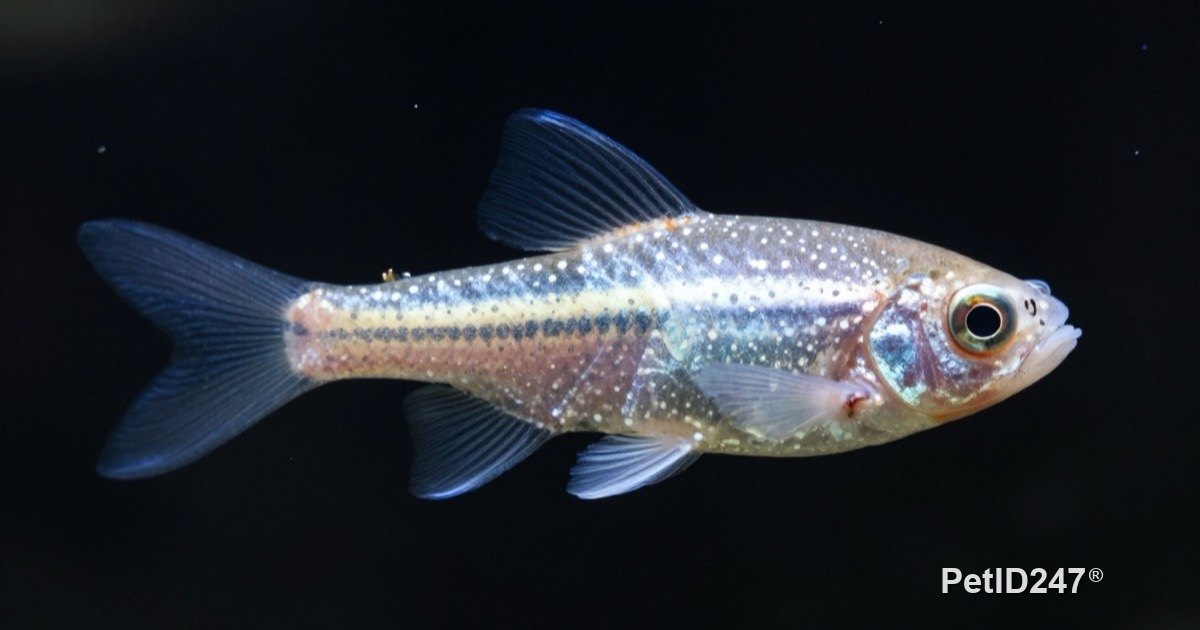
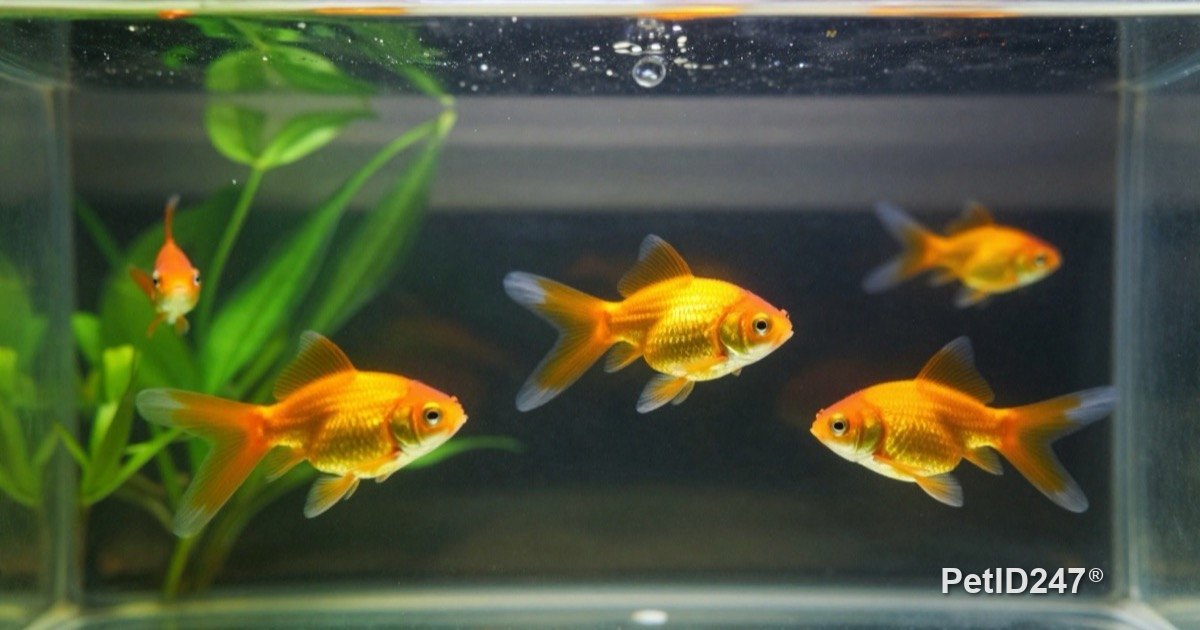
AI-generated illustration
White spot is a very common parasitic disease in aquarium fish that spreads fast. Learn to spot it early, understand the parasite's life cycle and prevent outbreaks.
One morning you notice tiny white dots, like grains of salt, scattered over your fish. It is very likely white spot disease, one of the most common illnesses in freshwater aquarium fish. It spreads quickly and can kill many fish if left too late, but when it is caught early, the chances of saving your fish are good.
What is white spot disease?
White spot in freshwater fish is caused by a single-celled parasite called Ichthyophthirius multifiliis, which is why fishkeepers often just call it Ich. The parasite burrows into the skin and gills, forming small white cysts you can see with the naked eye. Marine fish have a similar white spot disease, but it is caused by a different parasite and is handled differently.
Outbreaks usually happen when fish are stressed: after a move, during large swings in water temperature, in dirty water, or after a new fish brings the parasite in.
Signs to look for
- Small white dots: on the body, fins and gills, all roughly the same size, like grains of salt or sugar. The number of dots increases day by day.
- Flashing or rubbing: fish rub their bodies against rocks, gravel, plants or the glass because they itch.
- Clamped fins and sluggishness: fish swim less, hover in one place, or rest near the bottom.
- Rapid breathing: when many parasites are on the gills, fish struggle to breathe and often stay near the surface.
- Loss of appetite: fish eat less or stop eating.
Some things are easy to confuse with white spot. Male goldfish in breeding season develop small white bumps on their gill covers and pectoral fins, which is normal. Larger, fluffy, cotton-like patches are usually fungus. If you are not sure, take a clear photo and ask someone with expertise.
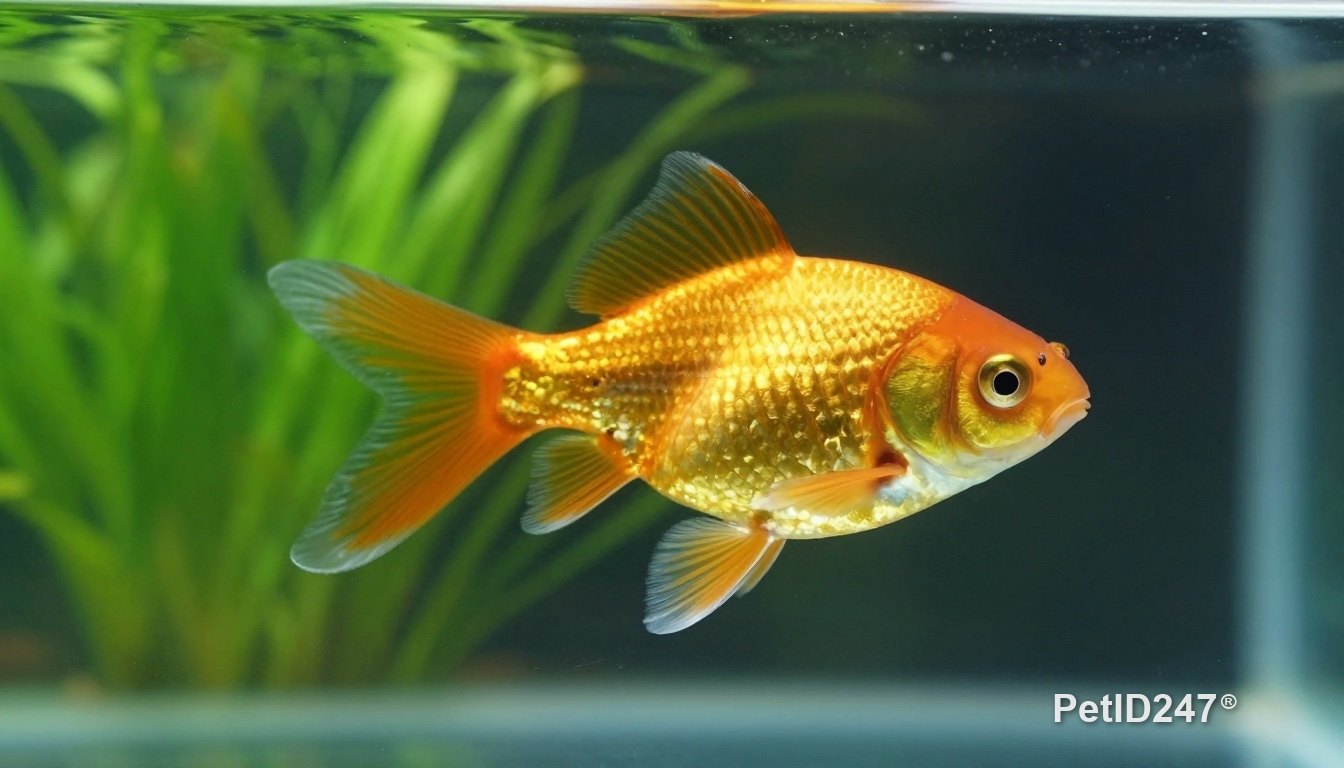
The parasite's life cycle and why the whole tank needs treating
Understanding the parasite's life cycle explains why the disease is hard to clear:
- On the fish: the parasite sits under the skin, protected by the fish's slime coat. At this stage, most water treatments can barely reach it.
- Leaving the fish: once mature, the parasite drops off the fish, falls to the bottom or attaches to plants and rocks, and forms a cyst.
- Reproduction: inside the cyst, it divides into a large number of young parasites.
- Free-swimming stage: the young parasites break out and swim through the water looking for a fish to attach to. This is the stage when they are easiest to kill.
So even if you only see spots on one fish, the parasite is already throughout the tank. Treatment has to continue long enough to cover several life cycles. The warmer the water, the shorter the life cycle; in cooler water the disease drags on longer.
How to approach treatment
There are several ways to treat white spot, and the right one depends on the species in your tank. Some animals, such as scaleless fish, catfish, shrimp, snails and live plants, are very sensitive to many treatment products. Keep these points in mind:
- Get expert advice first: choose a product and use it as directed by a veterinarian or a fish health professional, and read the product label carefully. Don't combine several medications at once.
- Keep the temperature stable: avoid swings. Some fishkeepers raise the temperature slowly to shorten the parasite's life cycle, but only within the range the species can tolerate, and only after getting expert advice.
- Increase aeration: warm water holds less oxygen, and fish with infected gills need even more of it.
- Keep the water clean: vacuuming the substrate and changing water regularly helps remove cysts from the bottom.
- Remove activated carbon from the filter while using a treatment, because carbon can absorb the active ingredient. Check the label to see if the product requires this.
- Don't stop early: the spots disappearing does not mean the parasites are gone. Continue for the full period you were advised.
Preventing white spot
- Quarantine new fish for a few weeks before adding them to the main tank.
- Never pour shop bag water into your tank.
- Keep the temperature steady, and use a thermostatic heater if your home has a cool season.
- Change water regularly and don't overstock.
- Use a separate net and bucket for each tank.
When to see a vet
Seek help from a veterinarian experienced with fish, or a fish health professional, when:
- Fish are breathing very fast, lying on the bottom, losing balance, or several have died in a short time.
- The white spots keep increasing even though you followed the treatment instructions.
- You are not sure whether it is white spot, fungus or something else.
- Your tank has sensitive species such as catfish, shrimp or snails and you don't know which product is safe.
Don't try one medication after another based on word of mouth. The wrong treatment can weaken your fish further and damage the beneficial bacteria in your tank.
This article was prepared with the help of artificial intelligence tools and reviewed by the PetID247 editorial team before publication. It is for reference only and does not replace an examination by a veterinarian.