What Do Pet Birds Eat? Seeds, Vegetables and Fruit
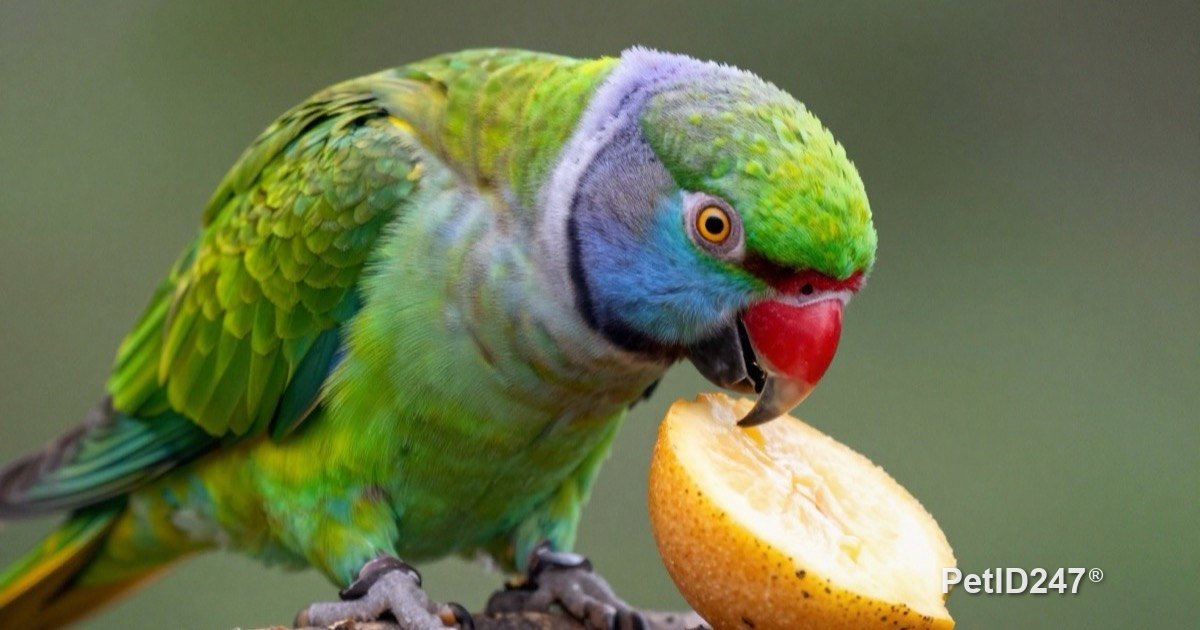
AI-generated illustration
Seeds alone are not enough. How to combine seeds, pellets, vegetables and fruit for different kinds of pet birds, plus foods you must never offer.
Many people think a pet bird only needs a tray of seeds and a cup of water. In reality, an all-seed diet is a common reason birds become malnourished, develop ragged feathers, fall ill often and live shorter lives. This article helps you build a more balanced diet for your bird.
Different birds, different diets
Before choosing food, find out which group your bird belongs to. Their natural feeding habits vary widely:
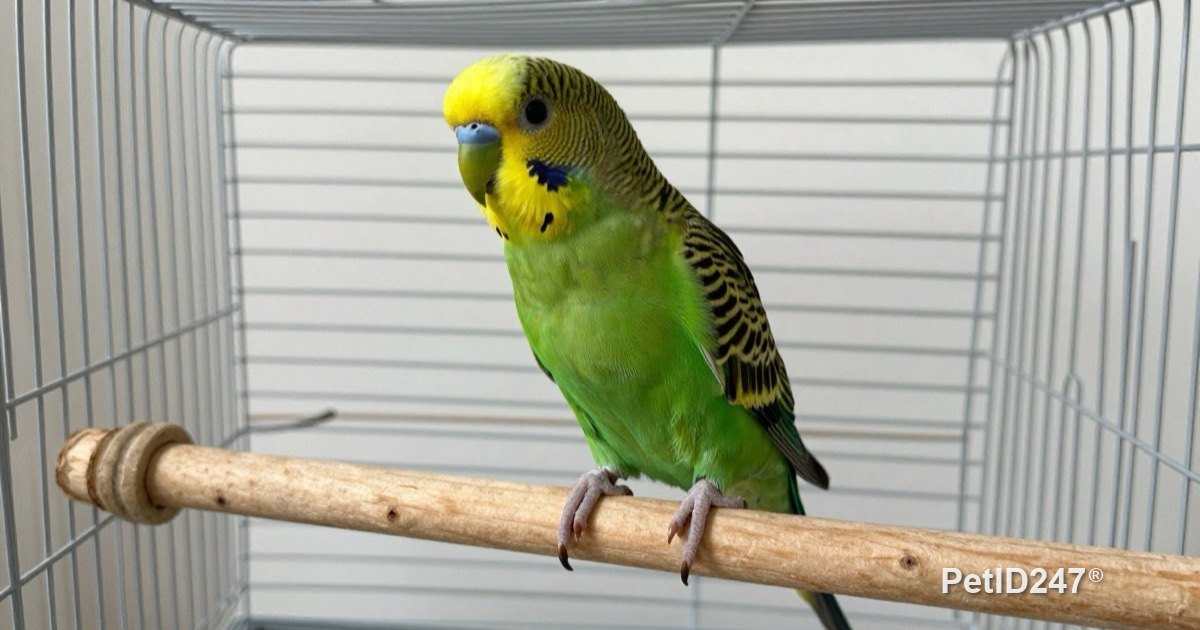
- Small seed-eating birds such as finches, canaries and budgerigars: eat mainly small grass seeds, plus leafy greens and a little fruit.
- Medium and large parrots: in the wild they eat many kinds of seeds, fruits, flowers and young shoots. They need a varied diet, not just seeds.
- Insect- and fruit-eating birds such as bulbuls, laughingthrushes, mynas and magpie-robins: need protein from insects, a dedicated softbill food and fruit. Dry seeds are not suitable.
If you are unsure about the species, ask a reputable seller or a veterinarian experienced with birds before changing the diet.
Building a balanced diet
Seeds and pellets
Seeds are tasty and birds love them, but many seeds, such as sunflower seeds, are high in fat and low in vitamin A and calcium. Birds tend to pick out their favorite seeds and leave the rest, so even with a well-mixed seed tray, a bird can still end up eating an unbalanced diet.
Bird pellets are pre-formulated so that each pellet contains complete nutrition, which prevents picky eating. For parrots, many veterinarians recommend pellets as the main part of the diet, with seeds only as a supplement or treat. For small seed-eating birds, seeds can remain the main food, but vegetables and a mineral source should be added.
When switching from seeds to pellets, do it gradually over several weeks, slowly increasing the proportion of pellets. Check that your bird is still eating and that its droppings stay normal. Never starve a bird to force it onto a new food, because small birds can decline very quickly.
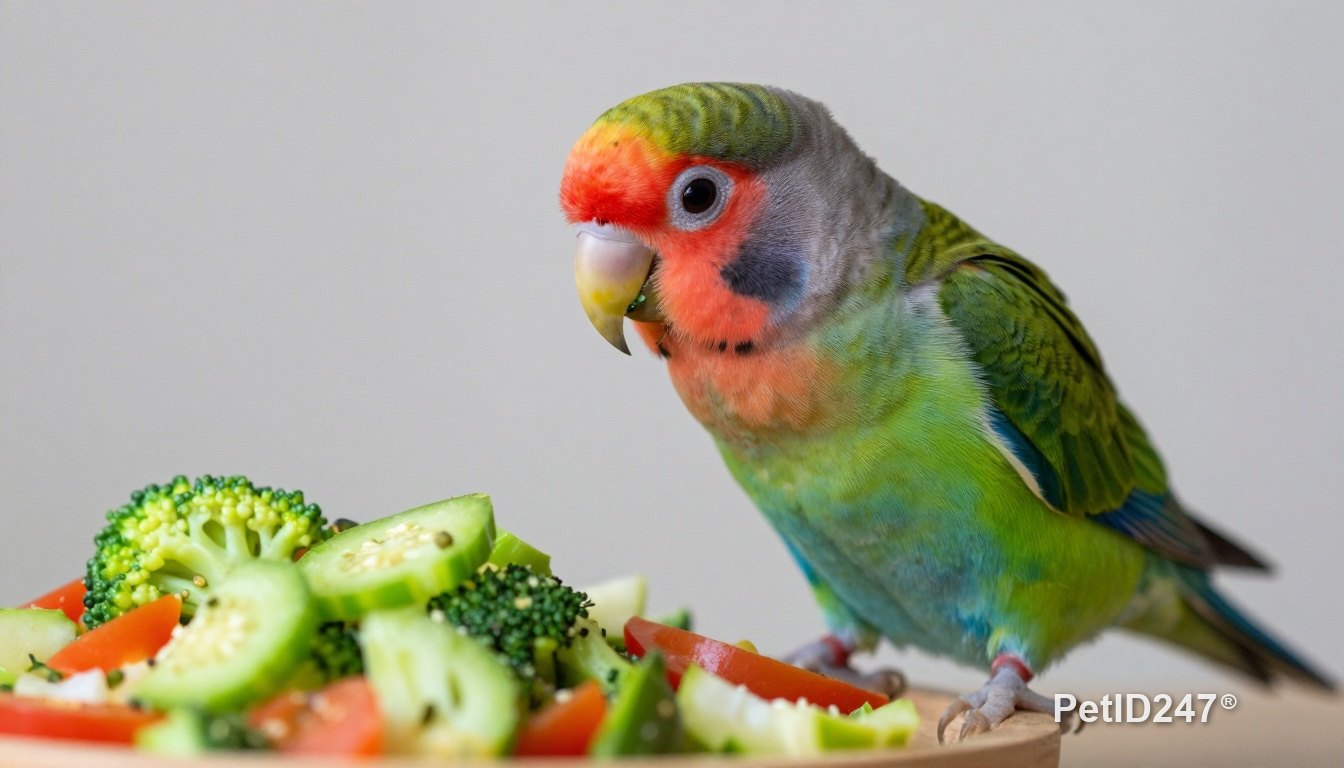
Vegetables and fruit
Vegetables and fruit provide vitamins, fiber and water, and make meals more interesting. Some common choices:
- Vegetables: leafy Asian greens such as choy sum and mustard greens, young water spinach, dark green lettuce, carrot, pumpkin, bell pepper, green beans, broccoli.
- Fruit: apple with the seeds removed, pear, papaya, banana, watermelon, guava, and grapes cut into small pieces.
A few tips when feeding:
- Wash thoroughly to remove pesticide residues. Choose produce from known sources when possible.
- Cut into beak-sized pieces. You can clip them to the side of the cage so your bird can pick at them.
- Fresh vegetables and ripe fruit should stay in the cage for only a few hours before you remove them, especially in hot weather, to prevent spoilage.
- Fruit is high in sugar, so offer less fruit than vegetables.
- Introduce one new food at a time, in small amounts, to see whether it suits your bird.
Foods you must never give your bird
Some foods that are familiar to people are toxic to birds:
- Avocado: can cause heart and respiratory poisoning in many bird species.
- Chocolate, coffee, tea and other caffeinated drinks.
- Alcohol in any form.
- Onion and garlic, raw or cooked.
- Salty, fried or greasy foods, sweets and human snacks.
- Apple seeds, and the pits and kernels of plums, peaches, apricots and cherries: they contain compounds that can release toxins when chewed.
- Spoiled or moldy leftovers.
Feeding your bird food from your own mouth is also a bad habit: it can transmit bacteria and teaches the bird to expect human food.
Drinking water and minerals
Fresh water should be changed at least once a day, and water cups washed often, since birds frequently drop food and droppings into them. Many birds also enjoy bathing, so you can add a separate shallow dish of water.
Birds need calcium, especially females that are laying eggs. Cuttlebone and mineral blocks made for birds are common ways to provide it. Extra vitamin or mineral supplements in powder or liquid form should only be used as directed by your veterinarian, and always read the product label, because too many vitamins can also be harmful, especially if your bird already eats pellets.
Summary
- Know whether your bird is a seed eater, a parrot, or an insect- and fruit-eater.
- Do not feed your bird seeds alone. Combine suitable pellets, leafy greens and a little fruit.
- Change foods gradually and make sure your bird keeps eating normally.
- Avoid avocado, chocolate, caffeine, alcohol, onion, garlic, salty foods and the seeds or pits of certain fruits.
- Change water daily and provide a safe source of calcium.
If your bird stops eating, loses weight or its feathers look worse even after you adjust the diet, take it to a vet for specific advice.
This article was prepared with the help of artificial intelligence tools and reviewed by the PetID247 editorial team before publication. It is for reference only and does not replace an examination by a veterinarian.