Buying a Pet Bird: Legal Sources and Health Checks
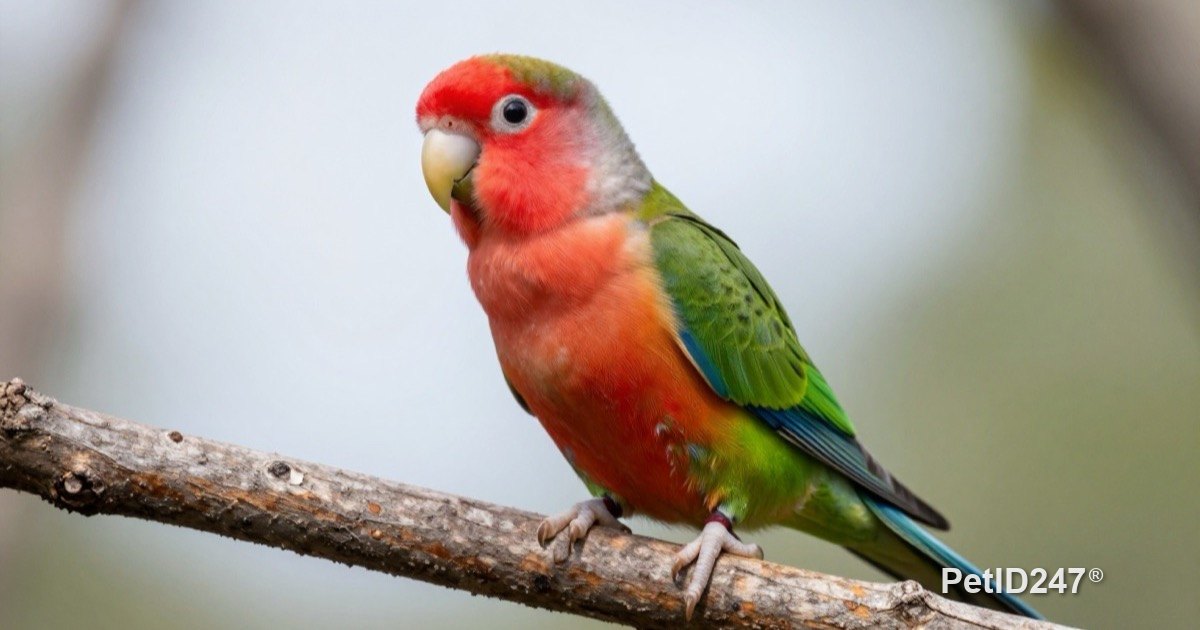
AI-generated illustration
Buying from a clear, legal source helps you avoid sick birds and avoid fueling wild bird trapping. Learn how to choose a seller and check a bird's health.
A healthy bird with a clear origin is a good start to many years together. On the other hand, birds trapped from the wild or bought in a hurry from an unknown source are often sick, hard to tame, and may put you in breach of wildlife protection rules. This guide helps you know where to buy and what to check.
Why a legal source matters
- Protecting wild species: many parrots and other cage birds are declining in the wild because they are trapped for trade. Buying wild-caught birds feeds this problem.
- Following the rules: many bird species are protected by law and international conventions. Keeping or trading them requires documents proving their origin. Check and follow the rules where you live before buying.
- The bird's health: wild-caught birds are usually severely stressed and more likely to carry diseases and parasites.
- Your family's health: some bird diseases can pass to people. Birds from uncontrolled sources carry a higher risk.
- Temperament: birds bred in captivity and handled from a young age are usually easier to tame and more comfortable with people.
Choosing a trustworthy seller
Look for
- A breeder or business with a clear address that lets you visit and see where the birds are kept.
- A seller who can provide the hatch date, parent origin, leg band details and documents for species that require them.
- Birds that already eat on their own, not chicks that still need hand-feeding, unless you are experienced.
- A seller willing to answer questions, explain care and stay in touch after the sale.
- Adopting from a pet bird rescue group is also worth considering.
Warning signs
- A price that is unusually low for the species.
- No answers, or evasive answers, about origin and paperwork.
- Many birds crammed into dirty cages, some fluffed up and lethargic.
- Birds sold by street vendors or at the roadside, or described as "freshly trapped from the forest".
- A seller pressuring you to decide immediately.
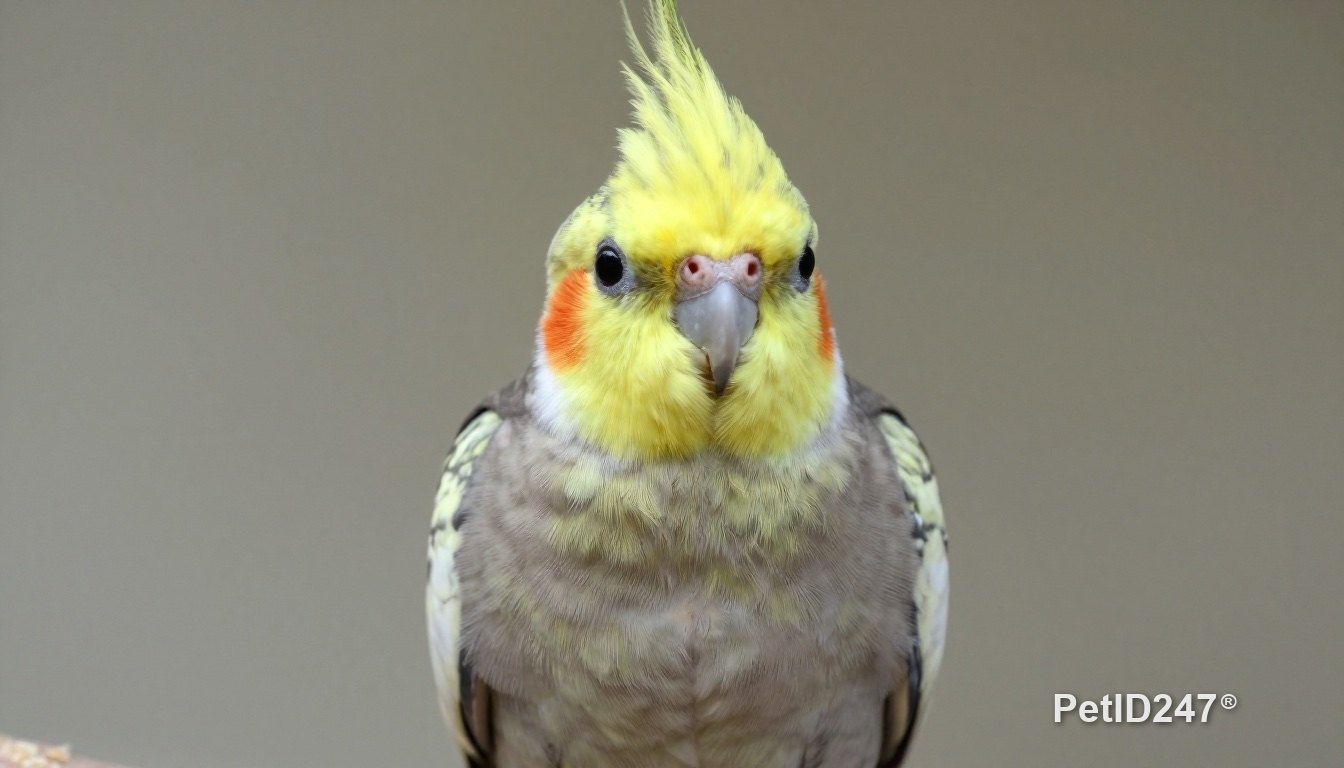
Checking a bird's health
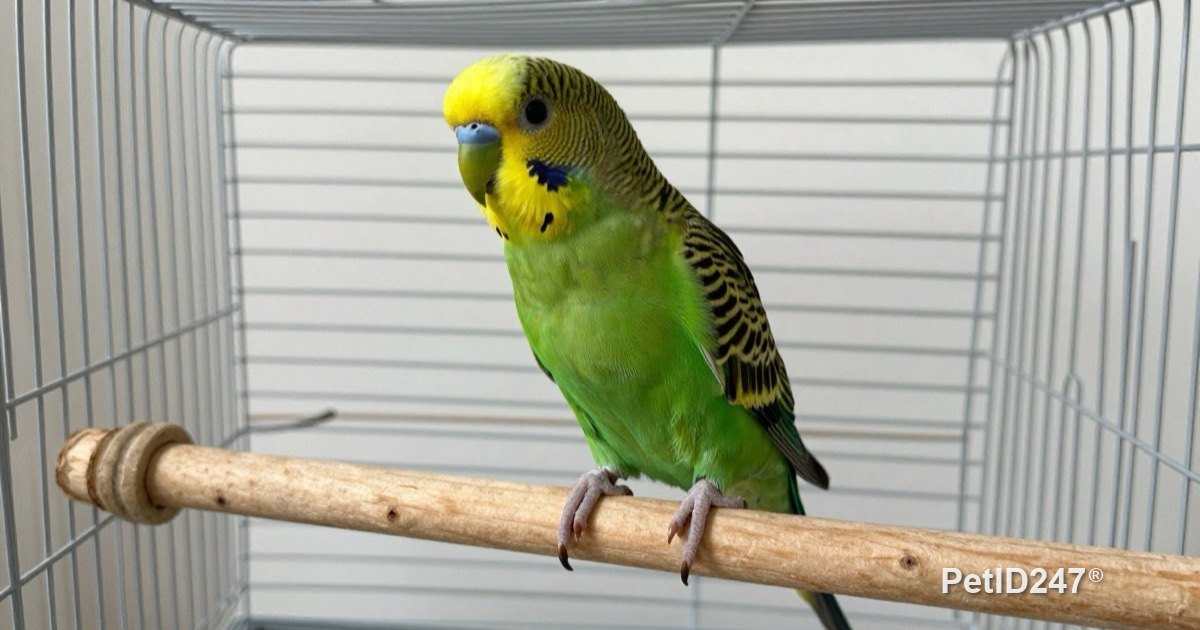
Spend a few minutes watching the bird in its cage before asking to handle it. A healthy bird usually shows:
- Overall look: alert, active, curious about its surroundings and perching steadily.
- Eyes: bright and round, with no discharge, swelling or crust.
- Nostrils: clean and dry, with no discharge and no matted feathers around them.
- Beak and feet: a beak that closes evenly, with no cracks or misalignment. Feet that grip firmly, nails not overgrown, no swollen joints.
- Feathers: smooth and neat, with no bald patches, no signs of plucking and no deformed new feathers.
- Breathing: quiet and easy, with no open-beak breathing, no wheezing and no strong tail bobbing at rest.
- Vent: clean, with no droppings stuck to it. Droppings in the cage look normal.
- Eating: the bird eats; you can ask the seller to let you watch it eat.
If possible, agree with the seller in advance about a vet check in the first few days and what happens if an illness is found.
After buying: quarantine and a health check
- Take your bird to an avian veterinarian as soon as possible after buying it.
- Quarantine the new bird: if you already have birds, keep the new one in a separate room for a period, usually several weeks, as your veterinarian advises. Care for your existing birds first and the new one last, washing your hands in between.
- Keep your paperwork safe: receipts, origin documents, leg band information and photos of the bird.
- Give the bird time to settle: keep things quiet for the first few days and feed what it ate at the seller's before gradually changing its diet.
Summary
Buy from a breeder or seller with a clear, legal source and proper documents for species that require them. Never buy wild-caught birds, and check the local rules before buying. Carefully check the eyes, nostrils, feathers, breathing, vent and eating. After buying, take the bird to the vet, quarantine it from your other birds and keep all paperwork. If your new bird becomes fluffed up, lethargic or stops eating, see a vet right away.
Taking extra time to research before buying can save you a lot of health, cost and legal trouble later, while also helping to protect wild bird populations.
This article was prepared with the help of artificial intelligence tools and reviewed by the PetID247 editorial team before publication. It is for reference only and does not replace an examination by a veterinarian.