Pet Birds and Kitchen Fumes: An Overlooked Danger
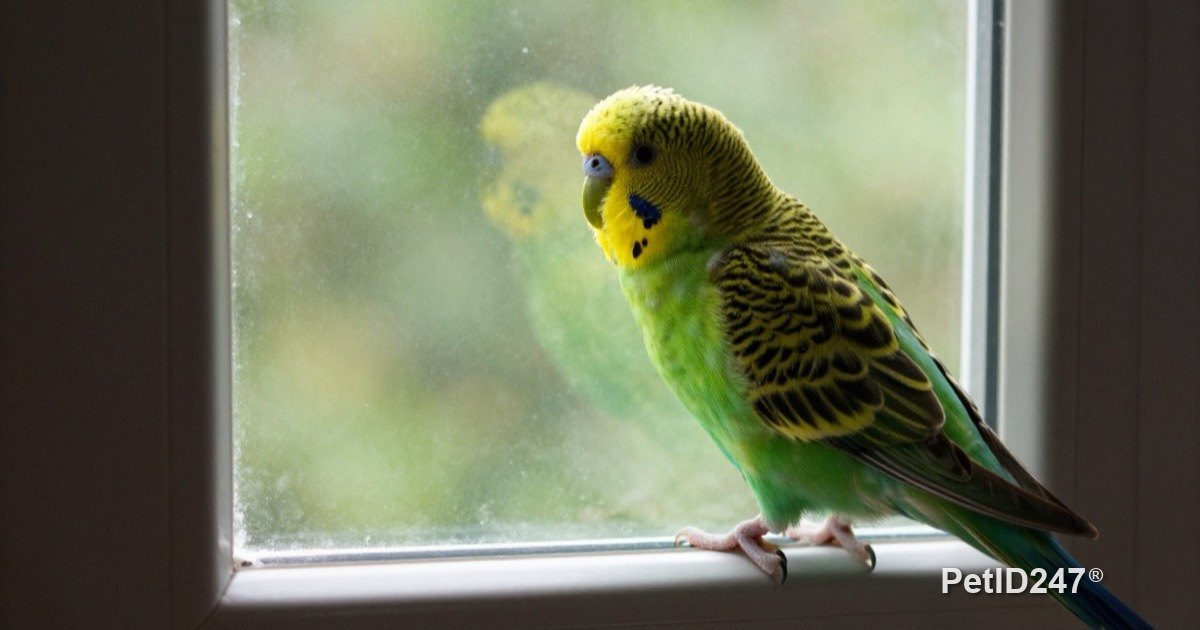
AI-generated illustration
Cooking smoke, overheated non-stick pans and aerosol sprays can poison pet birds fast. Where to place the cage and what to do if your bird struggles to breathe.
Many people hang a birdcage near the kitchen for convenience, or let their bird fly freely around the house, without thinking about smoke and heat from pots and pans. For a bird, kitchen air can be far more dangerous than we imagine. This article explains why, and what you can do to keep your bird safe.
Why birds are so sensitive to the air
A bird's respiratory system is very different from ours or that of cats and dogs. In addition to lungs, birds have air sacs that move air through the lungs in one direction, continuously, during both inhalation and exhalation. This lets birds extract oxygen very efficiently for flight. But that same efficiency means airborne toxins enter a bird's body faster and in greater amounts.
Birds are also small and breathe rapidly. An amount of smoke that only makes a person's eyes sting can be enough to cause respiratory failure in a bird. This is the same reason miners once carried birds underground as an early warning of toxic gas.
Common sources of smoke and toxic fumes at home
Overheated non-stick pans
Many cooking utensils have a PTFE-based non-stick coating. When a pan boils dry, is forgotten on the stove or is heated to very high temperatures, the coating can break down and release fumes. People usually notice nothing, but birds can suffer severe lung damage and may even die very quickly. Other appliances with similar coatings, such as air fryers, ovens, irons and hair dryers, also need attention, especially the first few times they are used.
Cooking oil smoke and burnt food
Deep frying, burnt food, charcoal smoke and wood stoves all produce smoke containing fine particles and irritating gases. A gas stove that does not burn cleanly can also produce toxic gases such as carbon monoxide.
Other sources outside the kitchen
- Cigarette smoke and e-cigarette vapor.
- Incense, scented candles, and burned or diffused essential oils.
- Insect sprays, air fresheners, hairspray and perfume.
- Strong cleaning chemicals, especially when mixed together.
- Fresh paint, glue, and exhaust from motorbikes running indoors.
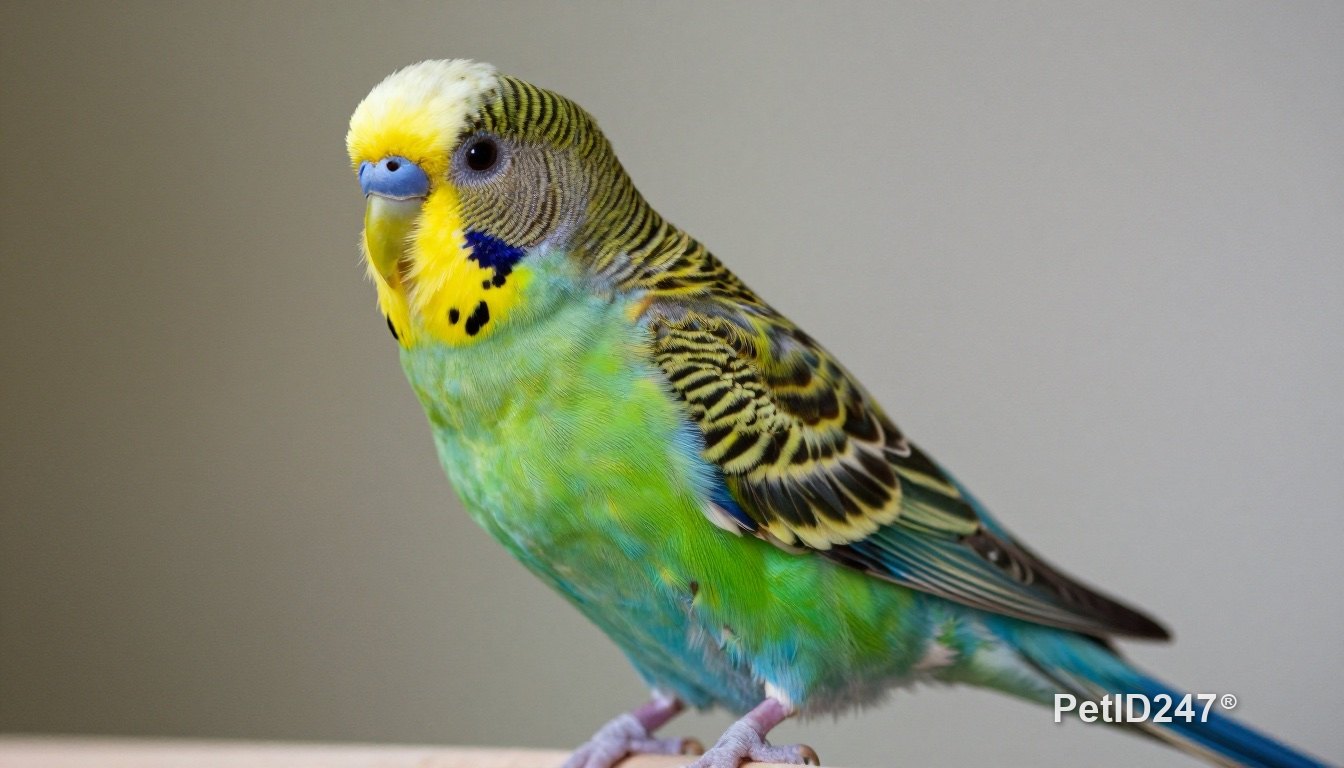
Safe cage placement and daily habits
The simplest rule is to keep your bird away from the kitchen and from every source of smoke. A few small habits reduce the risk considerably:
- Never hang the cage in the kitchen or right next to the kitchen door. Choose a well-ventilated room away from the cooking area.
- Close doors and ventilate while cooking. Turn on the range hood and open kitchen windows so smoke escapes outside instead of spreading through the house.
- Never leave an empty pan on a hot burner. Do not walk away while cooking, especially with non-stick cookware.
- Consider your cookware. Cast iron, stainless steel or ceramic are worth considering if you plan to keep birds long term.
- Run new appliances first, such as ovens and air fryers, in a ventilated place away from your bird, since they often give off odors the first time.
- Do not smoke indoors and do not spray chemicals in a room with a bird. If you must spray, move the bird to another room and air the space out completely before bringing it back.
- Do not let your bird fly free while you cook. Besides smoke, kitchens have boiling water, hot oil and open flames.
The cage should not be in a completely closed room either. Fresh, well-circulated air without strong drafts is ideal for birds.
Signs your bird has been affected by smoke
Smoke poisoning can develop within minutes to hours. Watch for the following signs, especially right after cooking or using chemicals at home:
- Open-mouth breathing, rapid breathing, tail bobbing with each breath.
- Sitting fluffed up, lethargic, not singing, not eating.
- Loss of balance, falling off the perch, trembling.
- Wheezing or unusual sounds when breathing.
If you see these signs, move the bird to fresh air immediately, remove the source of smoke and ventilate the room. Keep the bird warm and quiet, and avoid handling it too much, since a bird struggling to breathe tires very easily. Do not give any medicine or put anything into its beak on your own.
When to see a vet
Any bird showing breathing difficulty after exposure to smoke or chemical fumes needs to be examined by a veterinarian as soon as possible, even if it seems to have recovered. Lung damage can sometimes worsen several hours later. Call ahead to a clinic experienced with birds and explain clearly what the bird was exposed to and for how long, so the vet can prepare. On the way, keep the bird in a small, well-ventilated box or carrier, warm, out of harsh sun and strong wind. Prevention is still the best approach: simply keeping your bird away from the kitchen and smoke removes one of the most overlooked dangers.
This article was prepared with the help of artificial intelligence tools and reviewed by the PetID247 editorial team before publication. It is for reference only and does not replace an examination by a veterinarian.