Pet Parrot Care: Cage, Diet and Enrichment
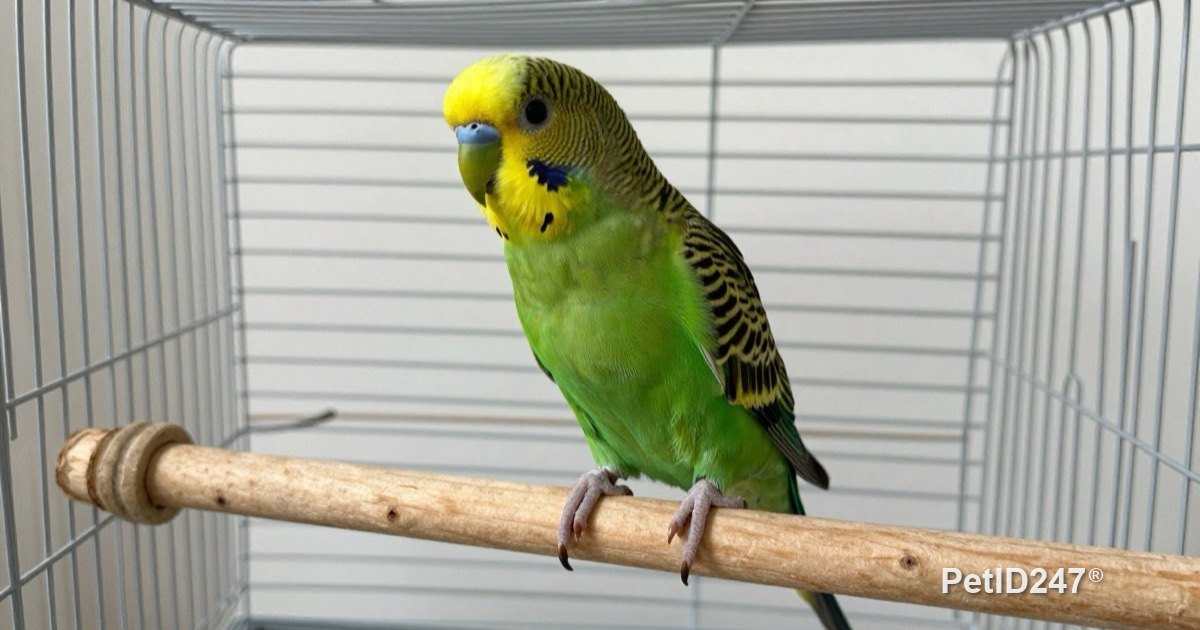
AI-generated illustration
Pet parrots are intelligent, long-lived and need far more than a cage. How to choose a cage, plan a balanced diet, provide toys and avoid household hazards.
Parrots are intelligent, emotional birds that love to communicate. Many species can live for decades, and some even outlive their owners. Before bringing a parrot home, you need suitable housing, a balanced diet and enough time to spend with it every day.
Before you get a parrot: origin and commitment
Many parrot species are protected, and their trade is controlled. Only buy a parrot from a legal source with clear paperwork, bred in captivity. Never buy a wild-caught parrot. Check the rules where you live and follow them.
Ask yourself first:
- Can you spend time interacting with a parrot every day?
- Can your household tolerate the noise, especially early in the morning and in the evening?
- Are you ready to care for a parrot for many years, possibly several decades?
Choosing a cage and where to put it
The cage is your parrot's home, so choose the largest cage your space allows.
- Size: as a guide, the cage should be considerably wider than your parrot's wingspan so it can spread and flap its wings without touching the sides. A wide cage is better than a tall, narrow one.
- Bar spacing: matched to the size of the bird. If the bars are too far apart, a small parrot can get its head through and become stuck. Large parrots need thick, sturdy bars because their beaks are very strong.
- Material: choose stainless steel or a bird-safe powder-coated finish. Avoid poor-quality galvanized cages, peeling paint or lead solder, because a parrot chewing on them can suffer heavy metal poisoning.
- Perches: several perches of different sizes and materials, such as safe natural wood branches. Perches that are all the same size can cause sore feet.
- Food and water bowls: place them away from perches so droppings don't fall in.
Where to place the cage
- In a room where the family spends time so your parrot doesn't feel lonely, but with one side against a wall so it feels secure.
- Away from drafts, all-day direct sunlight and air conditioners blowing straight at it.
- Keep it well away from the kitchen. Fumes from PTFE-coated nonstick pans that overheat can kill birds very quickly. Cooking smoke, cigarette smoke, incense and aerosol sprays also harm a parrot's airways.
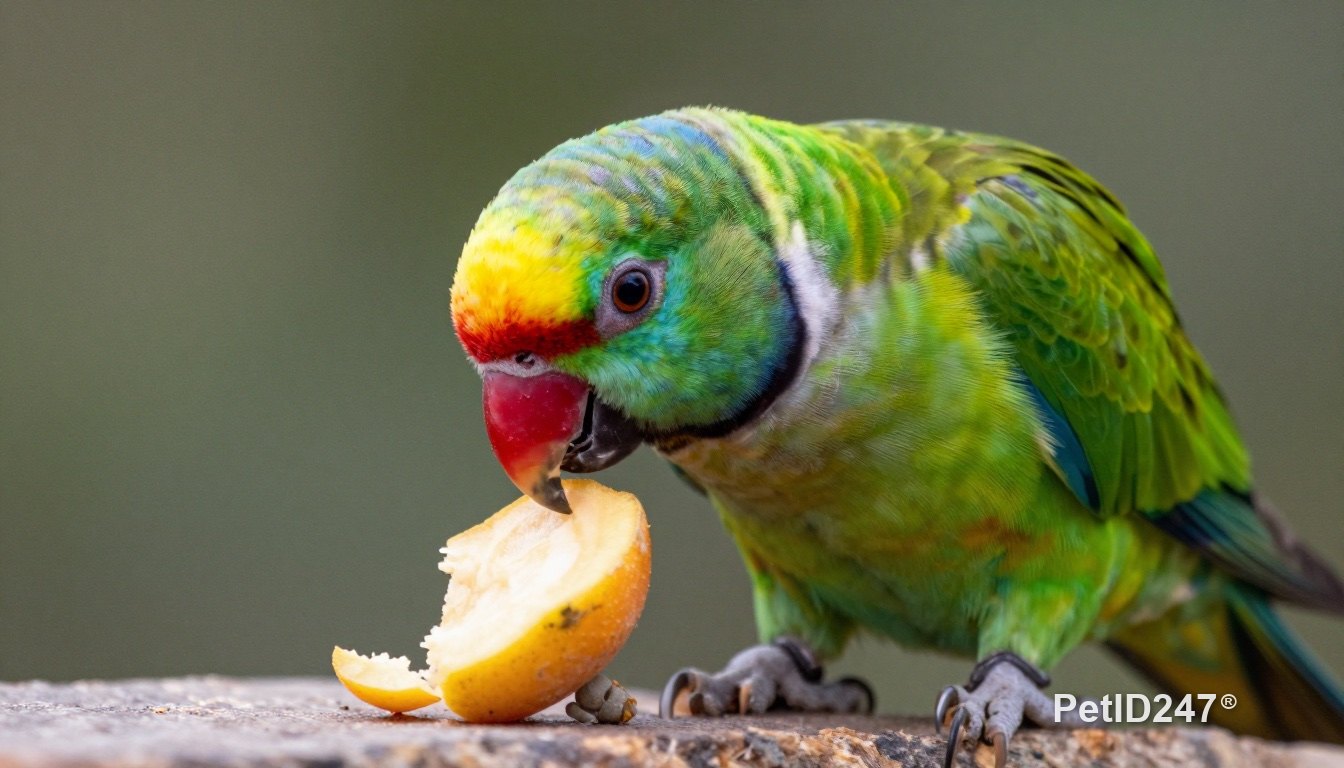
A balanced diet for your parrot
Feeding only sunflower seeds and millet is a common mistake. Seeds are high in fat but lack many vitamins and minerals. Parrots on a long-term seed diet are prone to obesity, liver disease and vitamin A deficiency.
- Parrot pellets: many recommendations treat these as the foundation of the diet. Choose a type suited to your parrot's size.
- Fresh vegetables: dark leafy greens, bell peppers, carrots, pumpkin and broccoli. Wash well and cut into bite-sized pieces.
- Fruit: a moderate amount, such as apple with the seeds removed, papaya and banana.
- Seeds: only a small portion, used as rewards during training.
- Clean water: change it daily and wash the bowls every day.
Switching a parrot from seeds to pellets should be done gradually over several weeks, watching closely to make sure it is still eating enough.
Foods to avoid completely
- Avocado: highly toxic to birds.
- Chocolate, coffee, tea, soft drinks and alcohol.
- Salty, greasy or fried foods.
- Onion, garlic, and apple, cherry and apricot seeds or pits.
Toys and time out of the cage
A bored parrot may scream constantly, pluck its feathers or become destructive. Play and exercise are needs, not luxuries.
- Toys to chew and shred: made of unpainted wood, paper, cardboard and natural fibers.
- Foraging toys: hide food in paper boxes or small baskets for your parrot to find.
- Rotate toys: swap a few toys every week so there is always something new.
- Time out of the cage: let your parrot out every day in a safe room: close the windows, turn off ceiling fans, put away electrical cords, cover large mirrors and keep cats and dogs out.
- Enough sleep: parrots need about 10 to 12 hours of sleep a night (as a guide) in a dark, quiet place. You can cover the cage with a cloth.
Check toys regularly. Remove any that are frayed or have long strings, open hooks or small pieces that could trap a foot or be swallowed.
When to see a vet
Birds are also very good at hiding illness. Take your parrot to a veterinary clinic experienced with birds if you notice:
- Fluffed-up feathers, sitting still in one spot, sleeping a lot during the day or sitting on the cage floor.
- Loss of appetite, weight loss or a prominent keel bone.
- Difficulty breathing, tail bobbing with each breath, nasal discharge or crusty eyes.
- Clear changes in the color or consistency of droppings, or blood in them.
- Regurgitating food, feather plucking or biting its own skin.
- An abnormally overgrown beak or nails, bleeding or injuries.
Don't medicate your parrot yourself. All medication should be given only as directed by your veterinarian. Have your parrot checked by a vet as soon as you bring it home.
This article was prepared with the help of artificial intelligence tools and reviewed by the PetID247 editorial team before publication. It is for reference only and does not replace an examination by a veterinarian.