Signs of Illness in Pet Birds You Should Know
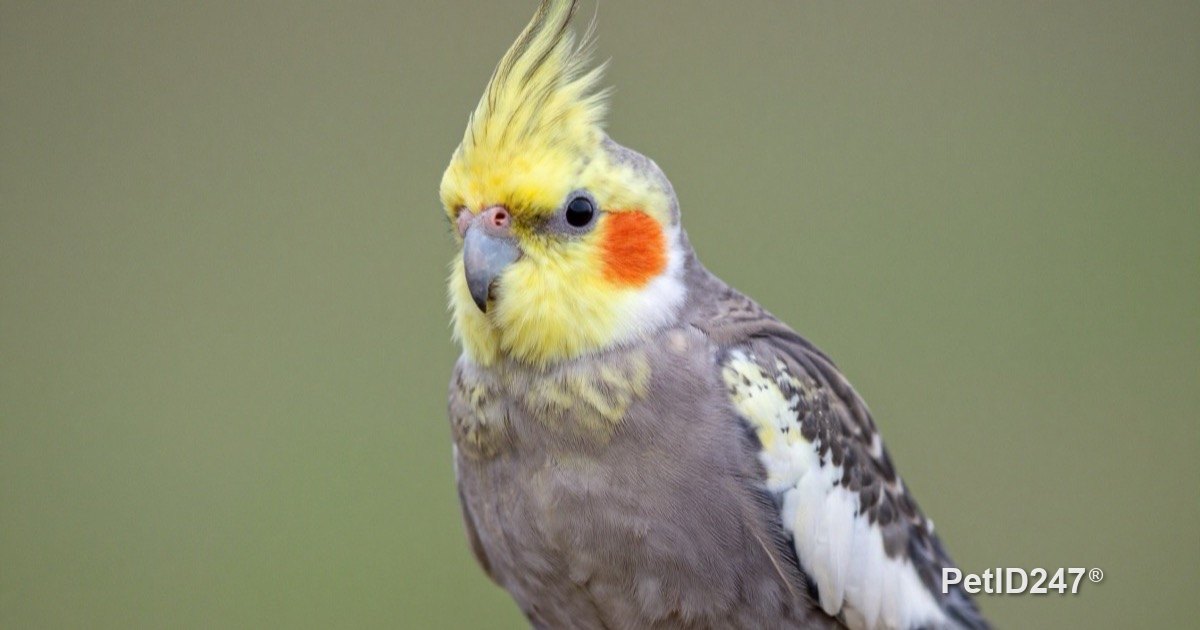
AI-generated illustration
Birds often hide illness until it is serious. Small changes in posture, feathers, droppings, breathing and weight help you spot problems early.
In the wild, birds are prey for many animals, so they instinctively hide any sign of weakness. By the time an owner clearly notices that a bird is sick, the illness is often well advanced. That is why knowing the early warning signs is the best way to help your bird in time.
Why you should observe your bird every day
Birds are small and have a fast metabolism, so their condition can worsen within just one or two days. Make it a habit to spend a few minutes each morning watching your bird: how it perches, how it eats, how it sings, and what the droppings at the bottom of the cage look like. Once you know what is normal for your bird, small changes become much easier to notice.
Common warning signs
Posture and behavior
- Sitting fluffed up for long periods, especially during the day when it is not cold.
- Sleeping much more than usual, sleeping on both feet, or keeping its head tucked in all the time.
- Sitting on the cage floor and unable to get back onto the perch.
- Singing or calling less, losing curiosity, or reacting slowly.
- Loss of balance, trembling or seizures.
Breathing
- The tail bobs up and down with each breath while resting.
- Open-mouth breathing, noisy breathing or frequent sneezing.
- Nasal discharge, dirty or blocked nostrils, swelling around the eyes or watery eyes.
Eating, drinking and weight
- Eating less, refusing food, or going to the feeder but only shuffling seeds around without eating.
- Drinking much more water than usual.
- Vomiting or regurgitating food, with feathers on the head and face stuck together.
- Weight loss: the keel bone on the chest feels prominent. Weighing your bird regularly on a kitchen scale is the earliest way to detect weight loss.
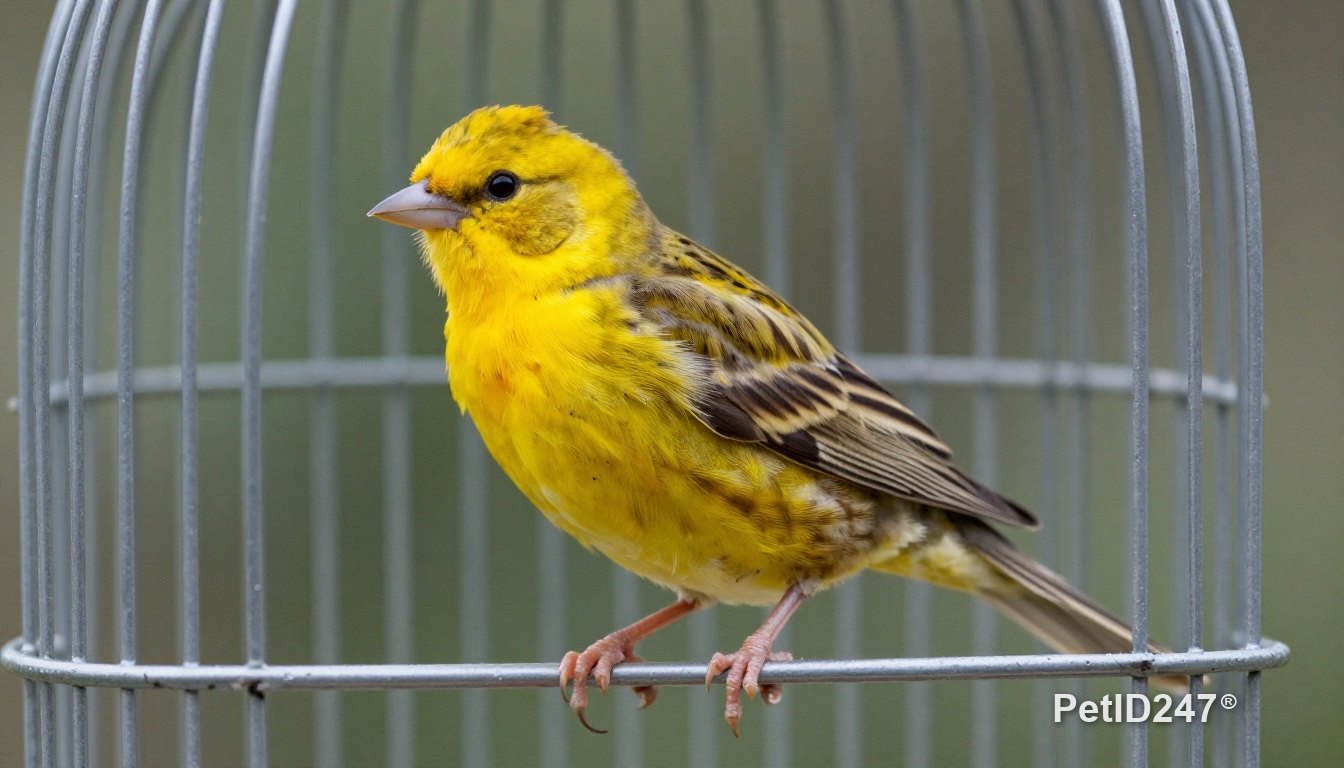
Droppings
Normal bird droppings have three parts: the feces, which have a fairly distinct color and shape; the white urates; and the clear liquid urine. Pay attention if you see:
- Persistently loose droppings that have lost their shape.
- Urates turning yellow, green or another unusual color.
- Blood, or whole undigested seeds.
- A clear drop in the number of droppings, which often means the bird is eating less.
Note: dropping color can change temporarily with food, for example after eating colored fruit, and droppings become looser when a bird eats a lot of juicy fruit and vegetables. If a change lasts more than a day or comes with other signs, take it seriously.
Feathers, skin, beak and feet
- Ragged or broken feathers, stress bars, or feathers growing in an odd color.
- The bird plucking or chewing its own feathers excessively.
- An abnormally long, flaking or discolored beak or nails.
- Swollen feet, thick scaly skin on the legs, or sores on the soles of the feet.
- Lumps, swellings, wounds or bleeding.
What to do while waiting to see the vet
The steps below are supportive care only and do not replace a veterinary examination:
- Separate the sick bird from the others to limit spread, if you keep more than one.
- Keep it warm: place the cage somewhere free of drafts and you can partly cover it. Avoid overheating; a bird panting with its wings held away from the body is too hot.
- Put food and water close to where the bird sits, and lower the perches so it does not need to fly or hop much.
- Write down what you have noticed, when it started, any recent food changes, and whether a new bird has joined the household. Take a photo of the most recent droppings.
- Do not medicate on your own, not even with medicine previously used for another bird. All medicines must be used as directed by your veterinarian.
Some bird diseases, such as the Chlamydia infection seen in parrots, can spread to people. When caring for a sick bird, wash your hands thoroughly after contact, avoid breathing in feather dust and dried droppings, and clean the cage carefully. If someone in the household develops a fever or a lasting cough after caring for the bird, they should see a doctor and mention that they keep birds.
Prevention is better than cure
- Quarantine newly purchased birds in a separate room for a period before introducing them to your other birds.
- Keep the cage, food dishes and water dishes clean.
- Offer a varied diet, not just seeds.
- Avoid smoke, drafts and sudden temperature changes.
- Take your bird for regular health checks with a veterinarian experienced with birds.
When to see a vet
Take your bird to the vet the same day if it is sitting on the cage floor, struggling to breathe, tail bobbing while resting, refusing food, vomiting, passing blood in its droppings, bleeding or injured. Milder signs, such as staying fluffed up, changed droppings or weight loss lasting more than a day, should also be checked soon. With birds, waiting a few more days to see what happens is often too late. Find a clinic with a vet who regularly treats birds in advance, so you are not caught unprepared when you need one.
This article was prepared with the help of artificial intelligence tools and reviewed by the PetID247 editorial team before publication. It is for reference only and does not replace an examination by a veterinarian.