Teach Your Dog Sit, Down and Stay With Rewards
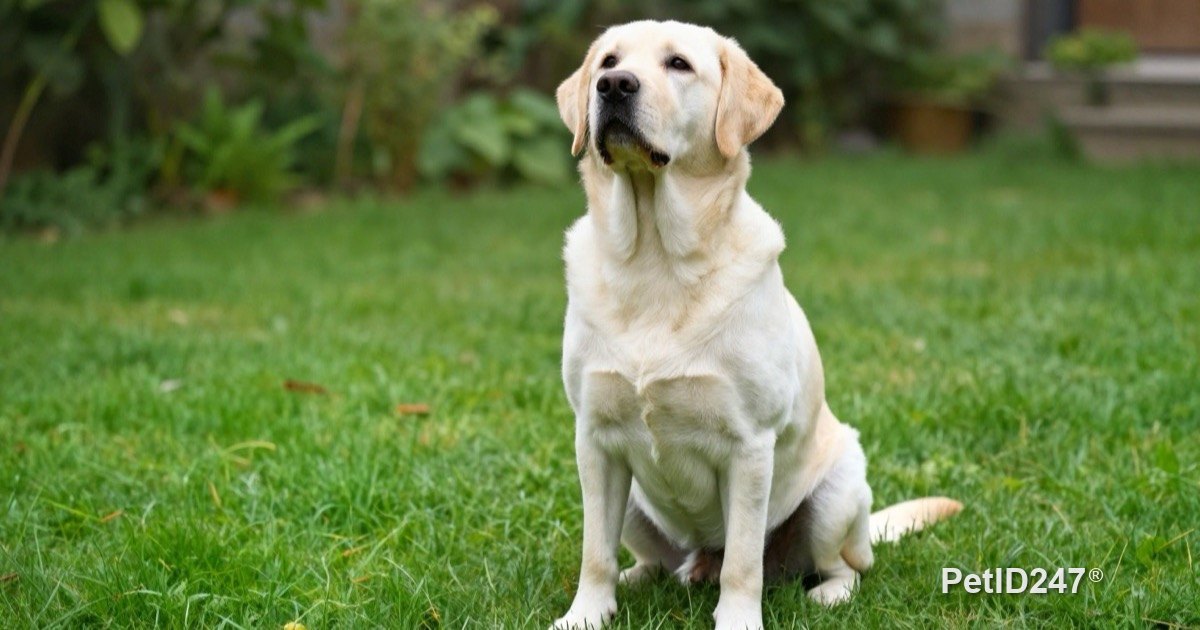
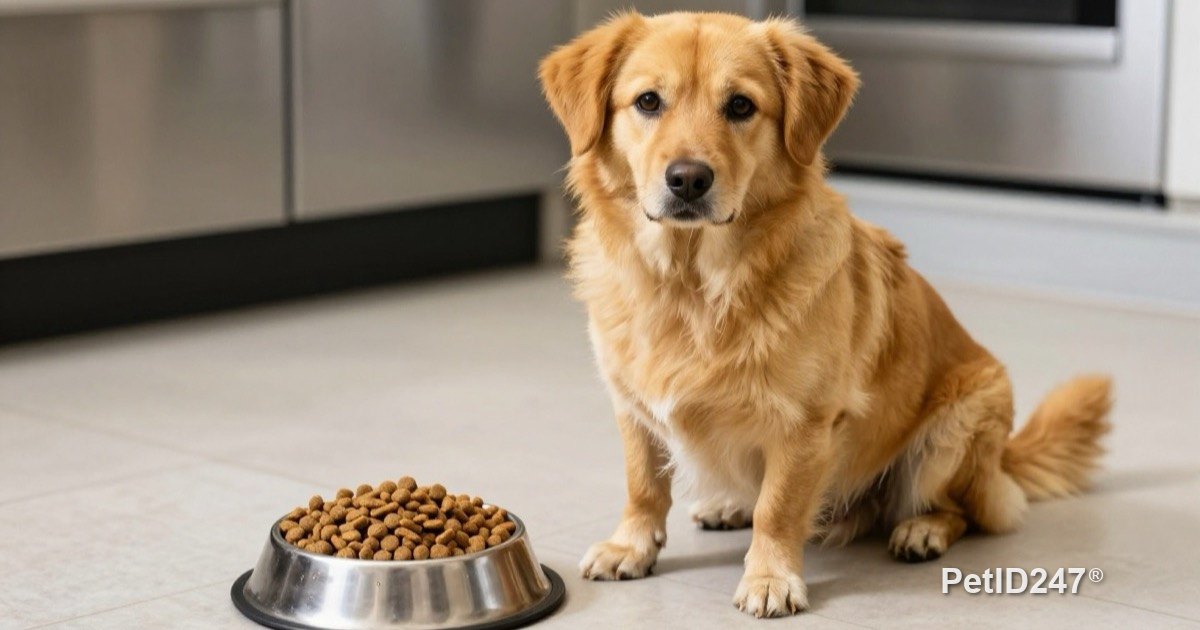
AI-generated illustration
Sit, down and stay are three foundation cues that make dogs safer and easier to manage. A step-by-step guide to teaching them at home with reward-based training.
Sit, down and stay sound simple, but they are very useful in everyday life. They help a dog stay calm when guests arrive, stop it from bolting out the door or jumping up on people, and keep it safer in busy places. The good news is that you can teach them at home with just a few minutes a day and a small pouch of treats.
Before you start
- Rewards: choose something your dog loves and cut it into pea-sized pieces so it eats quickly and doesn't fill up too soon. You can use part of the day's food ration to avoid weight gain.
- A quiet place: start indoors, with little noise and few people around.
- Timing: when your dog is a little hungry and not overexcited, for example before a meal or after a walk.
- Short sessions: about 5 minutes each, several times a day. Finish while your dog is still keen.
- One consistent word: everyone in the family uses the same cue word, said clearly, without repeating it over and over.
Puppies can start learning these cues as soon as they come home, just with shorter sessions. Adult and senior dogs can learn too; it's never too late.
Teaching "sit"
- Hold a treat right at your dog's nose so it can smell it.
- Slowly raise your hand up and slightly back over your dog's head. As its eyes and nose follow, its bottom will naturally lower.
- The moment its bottom touches the ground, say "good" and give the treat.
- Repeat many times. Once your dog sits quickly following your hand, start saying "sit" just before the hand movement.
- Gradually make the hand signal smaller until your dog sits on the word alone.
Don't push your dog's bottom down. Dogs learn faster and more reliably when they do the movement themselves and are rewarded.
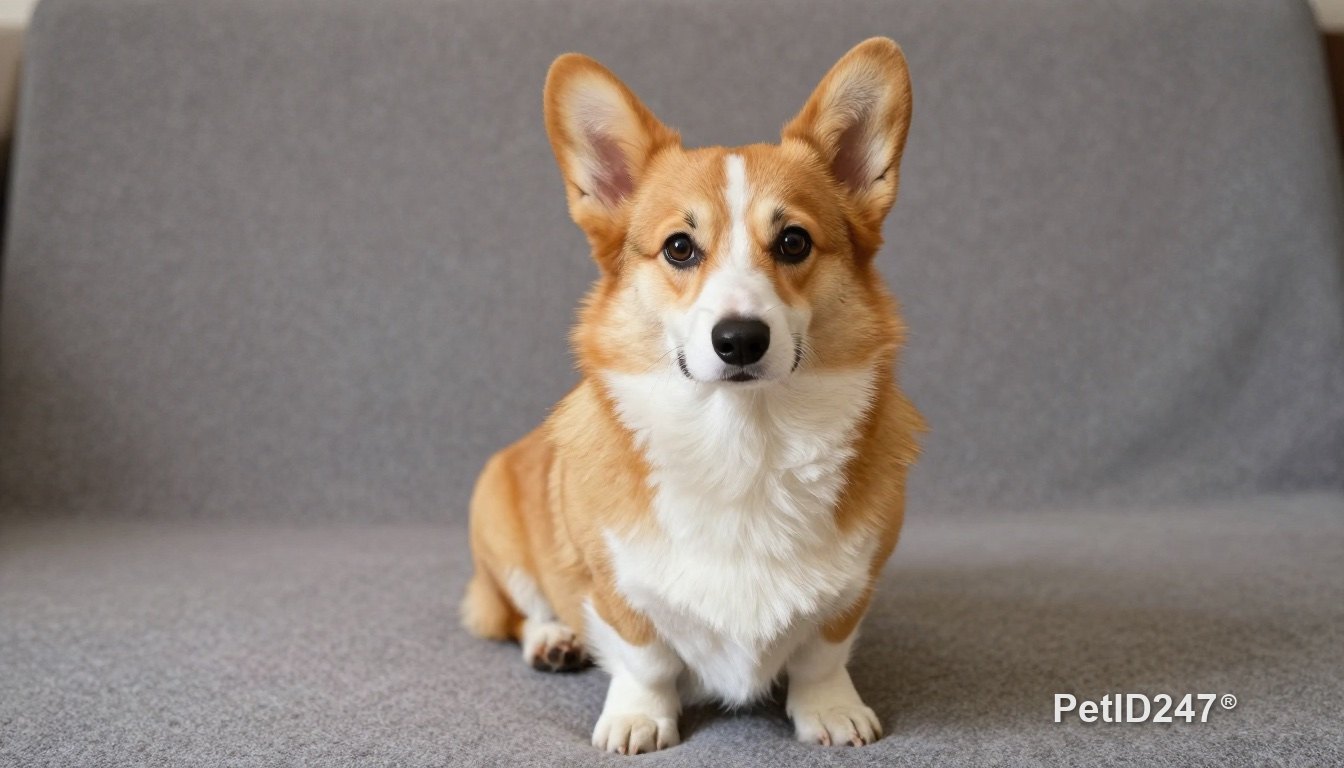
Teaching "down"
Once your dog sits well, you can teach down from the sit position.
- Ask your dog to sit. Hold a treat at its nose.
- Slowly lower your hand straight to the floor between its front paws, then draw it a little way forward along the floor.
- Your dog will follow with its head and slide into a down. When its elbows and belly touch the ground, praise and reward immediately.
- If your dog stands up instead, move your hand more slowly and reward even a small lowering of the body.
- When your dog follows reliably, add the word "down" just before the hand signal and gradually fade the signal.
Lying down makes some dogs feel more vulnerable, so they may be reluctant. Practice on a mat or soft bed and be extra patient.
Teaching "stay"
Stay teaches your dog to hold its position until released. It takes the most time to learn. Build it up gradually using three factors: duration, distance and distraction, and increase only one at a time.
- Ask your dog to sit. Show your open palm and say "stay".
- Wait one or two seconds. If your dog stays seated, praise and reward it right where it is.
- Use a release word such as "okay" to tell your dog it may get up.
- Gradually extend the stay to a few seconds, then ten seconds, then longer.
- When your dog stays well, take one step back, then return to reward. Then step farther away.
- Only at the end, practice in distracting places, such as the yard or when visitors are around.
If your dog gets up before being released, don't scold. Calmly ask it to sit again and make the next try easier.
Tips for faster learning that lasts
- Reward quickly, within a second or two of the correct behavior.
- Once your dog is fluent, gradually switch to random rewards mixed with praise and petting.
- Practice in many different places, because dogs don't automatically understand that "sit" in the living room also means "sit" in the park.
- Never call your dog with a cue and then punish it, or it will lose trust.
- Use the cues in daily life: ask for a sit before putting the food bowl down, and a stay before opening the door to go out.
Summary
Teach one cue at a time, starting with "sit", then "down", and only then "stay". Use small rewards and short sessions, make sure the whole family uses the same words, and stay patient. If your dog seems to be in pain when sitting or lying down, or has trouble moving, ask your veterinarian before continuing. If your dog is very fearful or aggressive during training, look for a trainer who uses reward-based methods.
This article was prepared with the help of artificial intelligence tools and reviewed by the PetID247 editorial team before publication. It is for reference only and does not replace an examination by a veterinarian.