Taming a Parrot: Building Trust and Step-Up Training
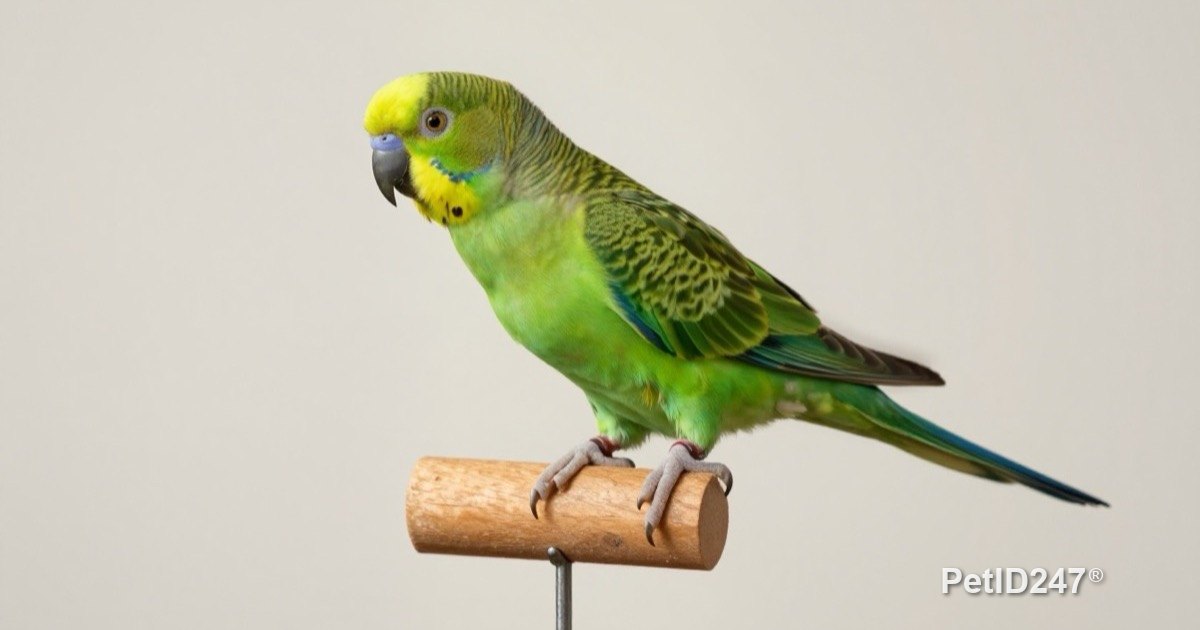
AI-generated illustration
Taming a parrot takes patience and respect for its fears. Learn step by step how to build trust, use rewards and teach your parrot to step up safely.
A newly arrived parrot is often frightened, backing into a corner of the cage or biting when you reach in. That is completely normal: parrots are prey animals and everything around them is unfamiliar. Taming isn't about forcing a bird to accept you; it's about helping it believe you are safe. This guide takes you through it step by step.
Understand your parrot before taming
Parrots watch very closely. Quick movements, a hand raised high and coming down from above, or a loud voice can all be seen as threats. Learn to read your parrot's body language:
- Relaxed: smooth feathers, standing on one leg, preening, soft chatter, gentle beak grinding before sleep.
- Scared or stressed: feathers pressed flat, wide eyes, backing away, panicked attempts to fly.
- Annoyed and about to bite: raised neck feathers, open beak, leaning toward you, and in some species rapidly changing pupil size.
When your parrot shows fear or annoyance, stop and take a step back. Pushed too fast, a parrot learns that hands are frightening, and taming takes much longer.
The getting-to-know-you stage
The first few days
Give your parrot a few days to settle into its new cage and room. Go about your normal routine nearby, talk softly and say its name. Change food and water with slow, steady movements.
Find a favorite treat
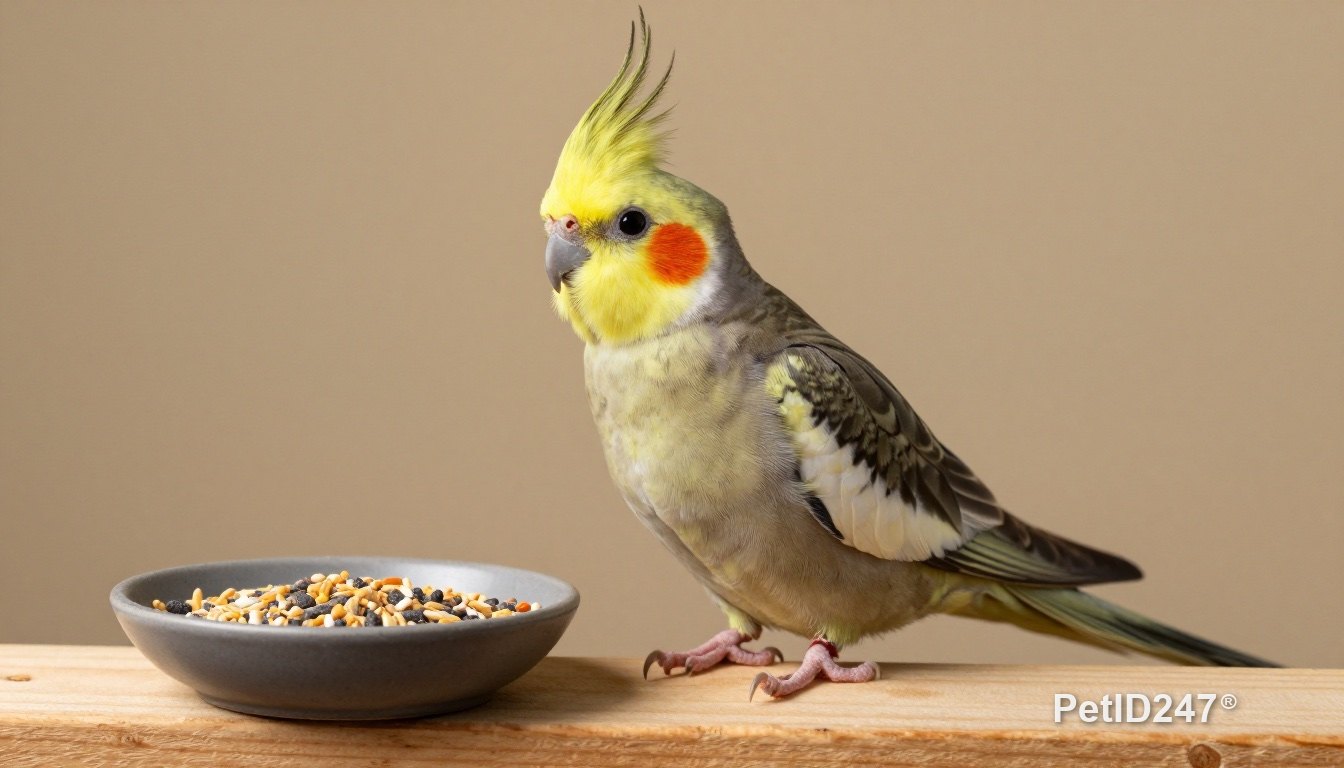
Watch which part of the diet your parrot likes most, such as a particular small seed, a bit of vegetable or a piece of fruit. Save it for training sessions so it becomes more valuable. Keep rewards small so the bird doesn't fill up too quickly.
Hand-feeding through the bars
- Sit near the cage and offer the treat through the bars.
- If your parrot won't take it yet, put the treat in a dish near you and step back.
- Once it starts taking treats from your hand, try opening the cage door and offering the treat inside.
Step-up training, one step at a time
When your parrot comfortably takes food from your hand, you can begin teaching it to step up. Keep each session to a few minutes, once to a few times a day, and end while the bird is still interested.
- Start with a hand-held perch: for a parrot still wary of hands, a clean wooden stick is a good intermediate step.
- Hold the stick or your finger level with the bird's belly, slightly above its feet, never coming down from above its head.
- Use a short, consistent cue, such as "up". Always use the same word.
- When your parrot puts a foot on, praise and reward immediately. Even one foot is progress.
- Move from stick to hand gradually: once the bird steps onto the stick reliably, place your finger beside it and let the bird choose.
- Practice stepping down: have the parrot step from your hand onto a perch, again with a cue and a reward.
If your parrot bites
Most parrots bite out of fear or to say "stop". Don't jerk your hand away or shout, as this can teach the parrot that biting makes you leave. Stay calm, end the session gently and next time go back to an easier step. Never hit, flick the beak or punish your parrot.
Safety when your parrot is out of the cage
- Close windows and doors, turn off ceiling fans, and cover mirrors and large glass panes.
- Put away food and drinks, electrical cords and potentially toxic houseplants.
- Keep dogs and cats in another room. Even a gentle, familiar pet can be dangerous to a bird.
- Don't let a parrot ride on your shoulder until it is fully tame, as it is hard to control and may bite near your face.
Whether to clip a bird's wing feathers needs careful thought, because flying is important to birds. Discuss it with an avian veterinarian before deciding.
Common mistakes
- Grabbing the parrot with your whole hand or using a towel to catch it when it isn't necessary.
- Training for too long or too many times a day, leaving the bird tired and bored.
- Withholding food to make the bird obey. This harms both its health and its trust.
- Several people training with different cues.
- Giving up when progress is slow. Every bird learns at its own pace.
Summary
Taming a parrot is about building trust. Give your parrot time to settle, read its body language, use a favorite treat and break training into small steps: taking food from your hand, stepping onto a stick, then stepping onto your hand. Keep sessions short and consistent, with no scolding and no food withholding. If your parrot suddenly becomes aggressive, less active or fluffed up, consider that it may be unwell and see an avian veterinarian.
This article was prepared with the help of artificial intelligence tools and reviewed by the PetID247 editorial team before publication. It is for reference only and does not replace an examination by a veterinarian.