Rabbit Diarrhea and Poopy Bottom: Causes and Care
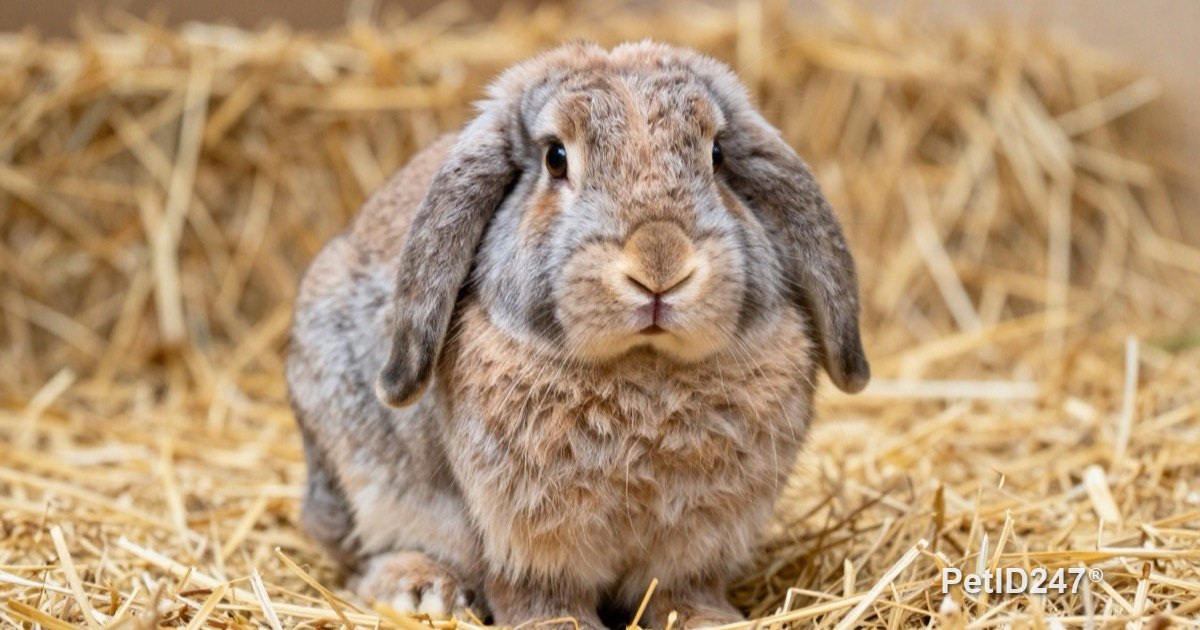
AI-generated illustration
A messy bottom in rabbits is usually uneaten cecotropes, not true diarrhea. Learn how to tell them apart, clean safely and know when to see a vet urgently.
When a rabbit's bottom is caked with droppings, many owners assume diarrhea. In fact, most cases are uneaten night droppings, while true diarrhea in adult rabbits is less common but far more dangerous. Telling them apart helps you act in time and not miss an emergency.
Normal droppings, cecotropes and true diarrhea
A healthy rabbit produces two kinds of droppings:
- Normal pellets: round, dry, brown and crumbly when squeezed. This is the fiber the rabbit can't digest.
- Cecotropes (night droppings): clusters of small, soft, shiny pellets with a strong smell, usually passed early in the morning or at night. Rabbits eat them straight from the anus to absorb extra nutrients, so you rarely see them.
- True diarrhea: watery or pasty stool with no pellet shape, sometimes with mucus or blood. The rabbit is often lethargic and stops eating.
If you still see normal pellets alongside soft, sticky clumps, it is almost certainly uneaten cecotropes. If all the stool is liquid, that is true diarrhea and needs a vet right away.
Why cecotropes get stuck to the bottom
- Wrong diet: too many pellets, fruit or sugary treats, too little hay. Cecotropes become more plentiful and mushy, and the rabbit doesn't eat them all.
- Excess weight: an overweight rabbit can't reach its bottom.
- Dental disease: misaligned teeth cause pain, so the rabbit avoids eating cecotropes and grooming.
- Arthritis and old age: difficulty twisting and bending.
- Wet, dirty flooring: droppings stick to the fur and mat.
Newly weaned young rabbits, or rabbits whose food is changed suddenly, are also prone to digestive upset. In young rabbits, loose stool can worsen very quickly.
Cleaning your rabbit's bottom safely
Droppings left in place cause skin scalding and sores, and attract flies. Clean gently:
- Place your rabbit on a towel and support its back and hindquarters firmly. Don't keep it on its back for long.
- Wet only the soiled area with lukewarm water; don't bathe the whole rabbit. A fully soaked rabbit can get chilled and go into shock.
- Ease the droppings out slowly with your fingers or a wide-toothed comb. Very tight clumps can be trimmed, but rabbit skin is very thin and tears easily, so be extremely careful or ask your veterinarian.
- Dry thoroughly with a towel. A hairdryer on the cool setting, held at a distance, can help; always test it on your hand first.
- Check the skin: if it is red, oozing, ulcerated or has maggots, see a vet immediately.
Don't apply human medicines, powders or creams to rabbit skin without asking your veterinarian.
Preventing it from happening again
- Make hay the main food: unlimited, forming most of the diet. Pellets in small amounts only, fruit as an occasional treat. See our article on hay-based diets for rabbits.
- Change food gradually over roughly 1–2 weeks, never suddenly.
- Keep a healthy weight: daily exercise and regular weigh-ins.
- Keep the enclosure dry: change bedding often and clean the litter box daily.
- Check the bottom daily, especially in hot, humid weather and for older, overweight or long-haired rabbits.
- Have teeth checked regularly, since dental disease is an often-missed cause.
When to see a vet
Take your rabbit to a rabbit-savvy veterinarian the same day if:
- The stool is watery with no normal pellets, especially in a young rabbit.
- Your rabbit stops eating, stops passing droppings, has a bloated belly, sits hunched or grinds its teeth in pain.
- There are maggots or fly eggs around the bottom. This is an emergency that can become life-threatening within hours.
- There is blood or a lot of mucus in the stool, or your rabbit is cold and weak.
- A dirty bottom keeps recurring despite diet changes. Your vet will check teeth, weight, joints and parasites.
Never give your rabbit human anti-diarrhea medicine. Use any medication only as directed by your veterinarian.
This article was prepared with the help of artificial intelligence tools and reviewed by the PetID247 editorial team before publication. It is for reference only and does not replace an examination by a veterinarian. How we write our articles