Traveling With Your Dog by Motorbike or Car Safely
AI-generated illustration
Trips to the vet, the park or out of town all need some planning. Here is how to carry your dog safely by motorbike or car, for both dog and rider.
In many places, carrying a dog on a motorbike is an everyday thing: to the vet, the groomer or the park. But one sudden brake or a loud horn can be enough to panic a dog into leaping off and causing an accident. This guide helps you choose the right way to carry your dog and prepare properly so every trip is safe.
General rules for every trip
- Always secure your dog: your dog should be in a crate or carrier, or restrained with a safety harness, never loose on the vehicle.
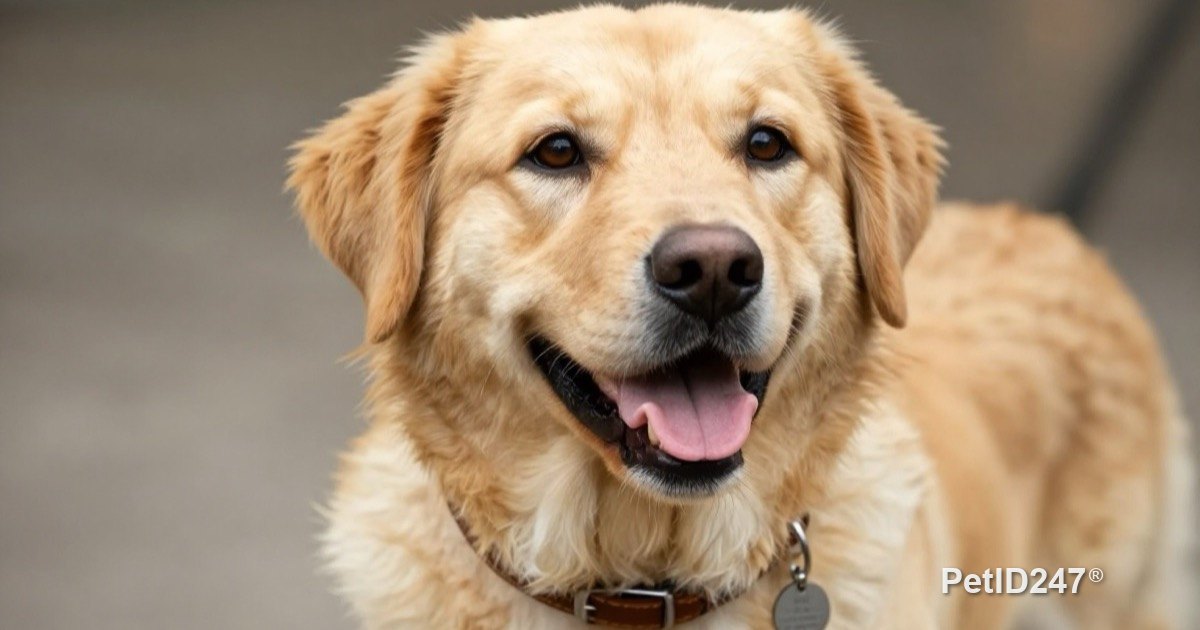
- Use a collar with an ID tag and phone number: if your dog escapes in traffic, whoever finds them can contact you.
- Feed lightly: avoid a big meal right before the trip to reduce motion sickness and vomiting.
- Take your dog to the toilet before setting off.
- Practice gradually: get your dog used to the carrier and vehicle with short trips before going far.
- Follow local traffic rules on carrying goods and animals on vehicles.
Carrying a dog on a motorbike
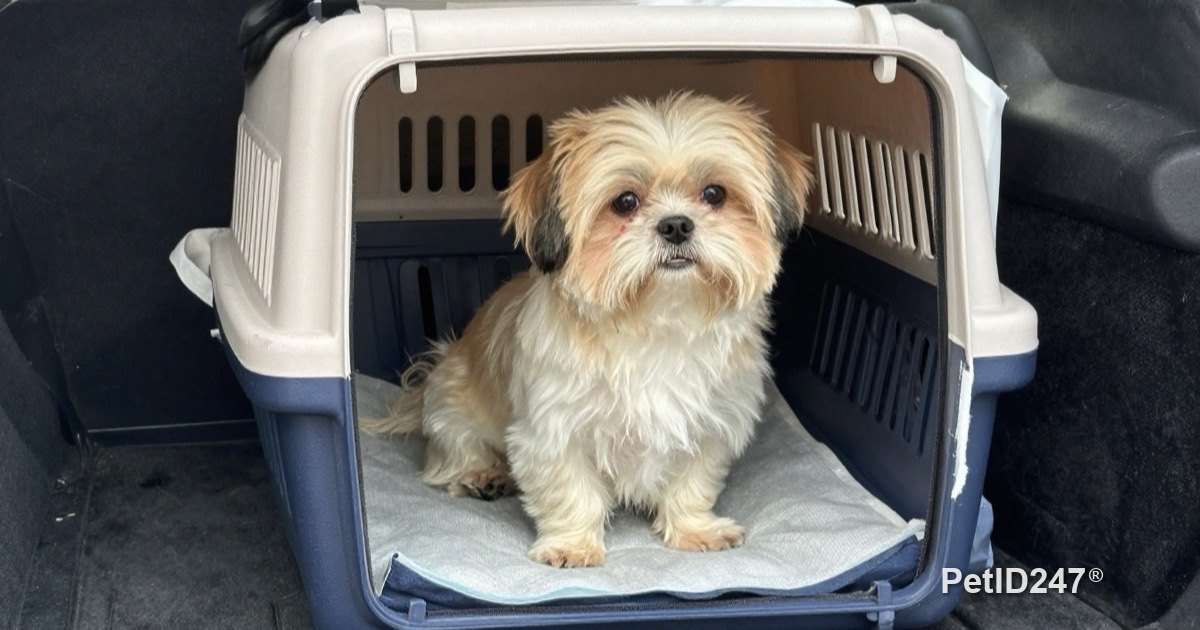
Small dogs: use a carrier or crate
For small dogs, the safest option is a pet carrier bag or a crate with a secure latch, strapped firmly to the rear seat or basket. A front or back carrier pack can also work if your dog is light enough and the rider can still control the bike comfortably. The crate needs ventilation holes, a solid base and a door that won't spring open over bumps.
Medium and large dogs: a passenger must hold them
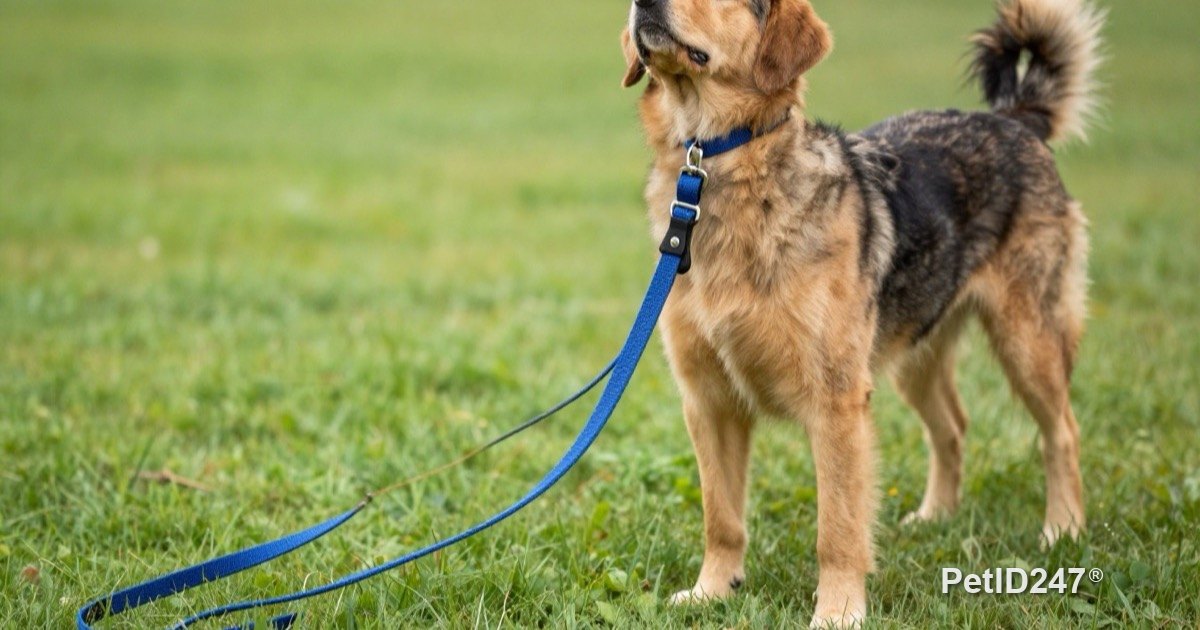
Large dogs are hard to fit in a crate on a motorbike. If you really have to carry one, have a passenger sit behind and hold the dog, with the dog in a harness and a short leash held firmly by the passenger. Never tie a leash attached to your dog's collar to the bike: if the dog jumps off, the leash can choke or drag them.
What not to do
- Let your dog stand unrestrained on the floorboard of a scooter.
- Have your dog run alongside a motorbike instead of going for a walk.
- Speed, brake hard or weave through traffic while carrying a dog.
- Let your dog stick its head out of the carrier while moving, as wind, dust and insects can injure the eyes.
Carrying a dog by car
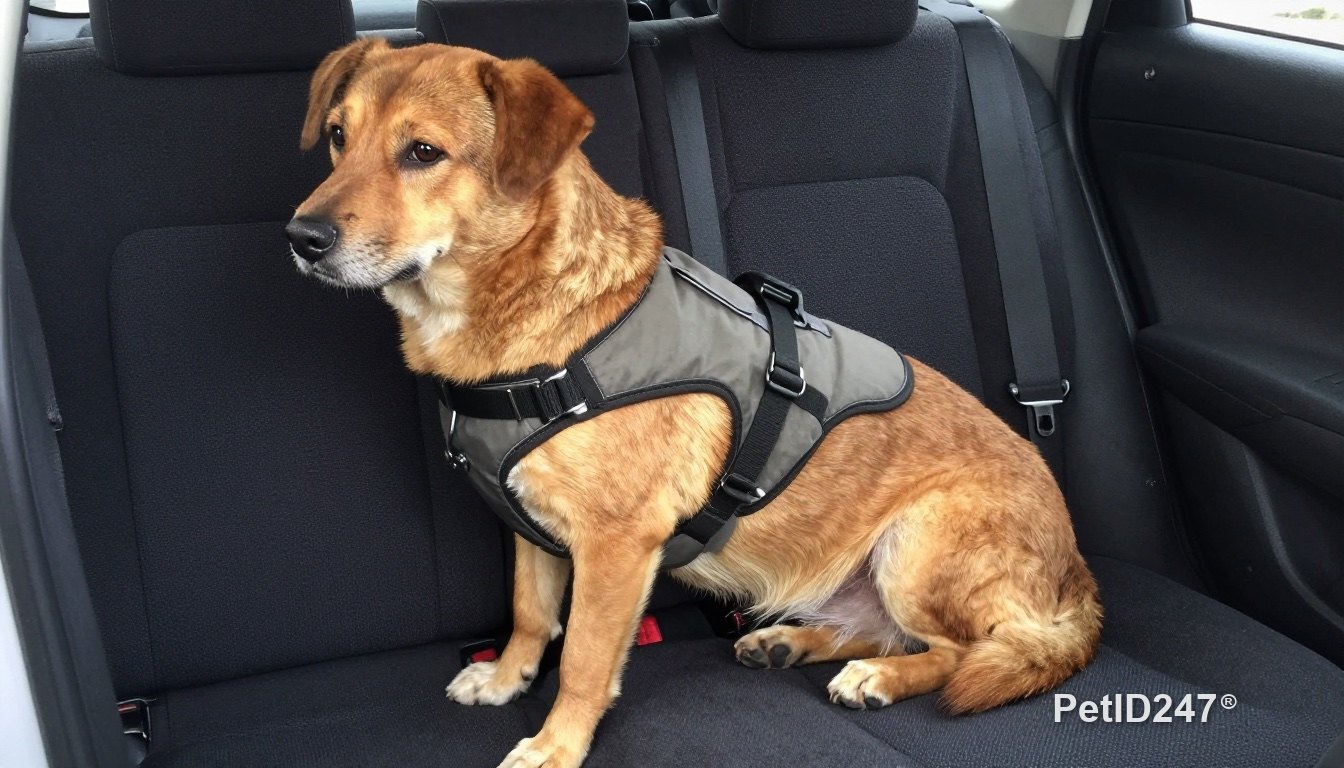
Choose the right restraint
- Travel crate: place it on the back seat or in the cargo area of a car with an open cargo space, wedged or strapped so it can't slide. The crate should let your dog stand, turn around and lie down comfortably.
- Dog seat belt: connect a harness to the rear seat belt buckle. Use it only with a harness, never attached to a collar.
- Cargo barrier: suitable for large dogs riding in the cargo area of an SUV.
Don't let your dog sit in the front seat or on the driver's lap. In a crash, an airbag can seriously injure a dog, and a dog in front distracts the driver.
Temperature and fresh air
- Run the air conditioning at a moderate level and keep direct sun off the crate.
- Don't let your dog hang its head out of the window while driving.
- On long journeys, stop roughly every 2–3 hours as a guide to give your dog water and a toilet break, and always clip the leash on before opening the door.
Never leave your dog alone in the car
In hot weather, the temperature inside a closed car rises very quickly, even when parked in the shade or with the windows cracked. Just a few minutes can cause life-threatening heatstroke. If you can't take your dog with you when you get out, leave them at home.
Motion sickness and fear of car rides
Many dogs, especially puppies, get car sick, with heavy drooling, lip licking, constant yawning, trembling or vomiting. Some dogs fear the car because they have only ever been driven to get vaccinated. You can help by:
- Sitting with your dog in the parked car for a few minutes, giving a treat, then getting out.
- Gradually building up to very short trips to places your dog enjoys, such as the park.
- Keeping the car well ventilated, driving smoothly and avoiding hard braking.
- Lining the crate with a towel or absorbent pad in case your dog vomits.
If your dog's motion sickness is severe, talk to your veterinarian. There are anti-nausea medicines for dogs, but they must be used as directed by your veterinarian; don't use human travel sickness pills.
Summary
Whether by motorbike or car, your dog should always be secured in a crate, carrier or safety harness, wear an ID tag, and never be left alone in the vehicle. Get your dog used to travel gradually, drive slowly and smoothly, and bring water for longer trips. Prepare well once and you will feel more confident on every journey with your dog.
This article was prepared with the help of artificial intelligence tools and reviewed by the PetID247 editorial team before publication. It is for reference only and does not replace an examination by a veterinarian.