Adopting a Stray Cat: The First Health Checks
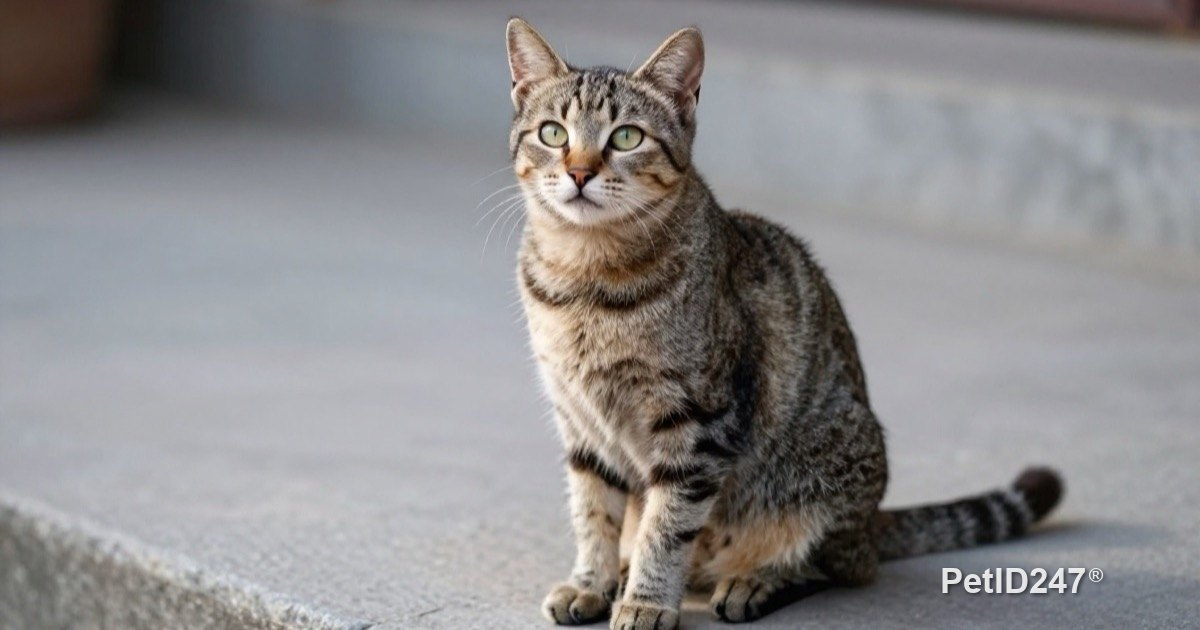
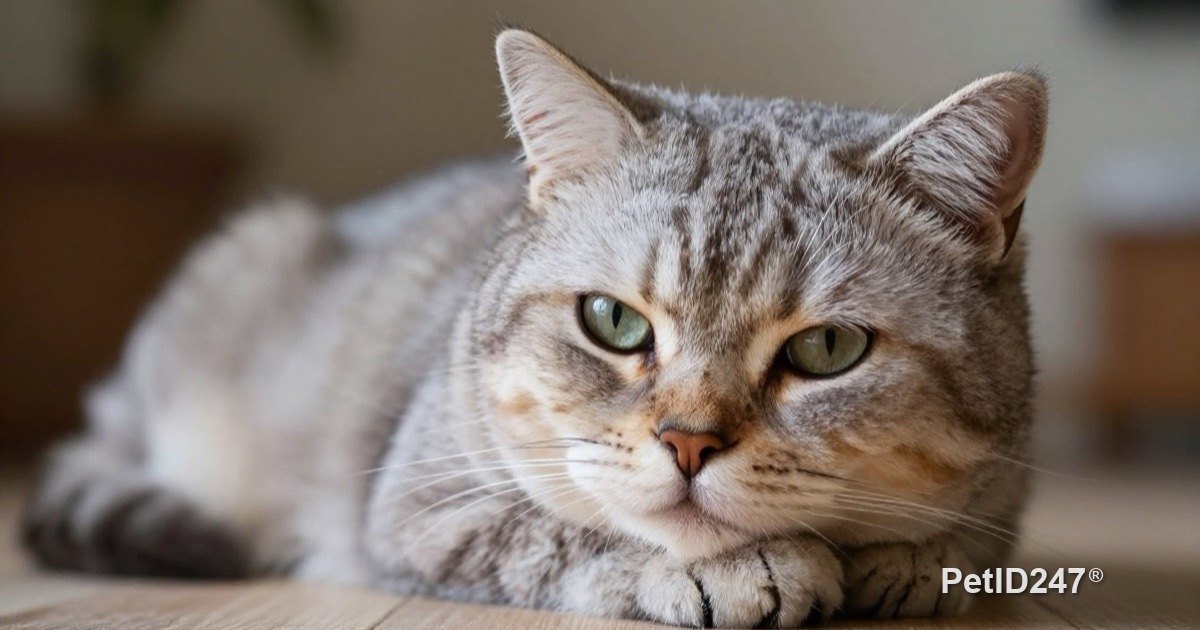
AI-generated illustration
Stray cats can carry parasites, ringworm or infectious diseases. Learn how to isolate and observe a new stray, and what to expect at the first vet visit.
Taking in a stray cat is a kind thing to do, but it needs to be done carefully to protect the cat, your existing pets and the people in your home. Cats living on the street often carry fleas and worms, and sometimes ringworm or infectious diseases that aren't visible from the outside. A thorough first checkup gets you off to a good start.
Bringing the cat home safely
- Approach slowly: a frightened unfamiliar cat may scratch or bite. Wrap it gently in a thick towel or lure it into a carrier with food rather than grabbing it.
- If you are bitten or deeply scratched: wash the wound thoroughly under running water with soap for several minutes, then go to a medical facility right away for advice on rabies vaccination and wound care. Don't skip this step, even for a small wound.
- Check whether the cat has an owner: a clean, friendly cat or one wearing a collar may be lost. Ask around the neighborhood and have a vet clinic scan for a microchip.
Isolation in the first days
If you already have pets, keep the new cat in a separate room for at least about two weeks, or as long as your vet advises, until you have examination and test results.
- Set up a separate litter box, food bowl, water bowl and bed.
- Wash your hands with soap after touching the new cat and before touching other pets.
- Don't share bowls, combs or litter boxes between the animals during this time.
- Wash bedding often and vacuum the room to reduce flea eggs.
A separate room also helps the new cat calm down and get used to the household's sounds and smells before meeting everyone else.
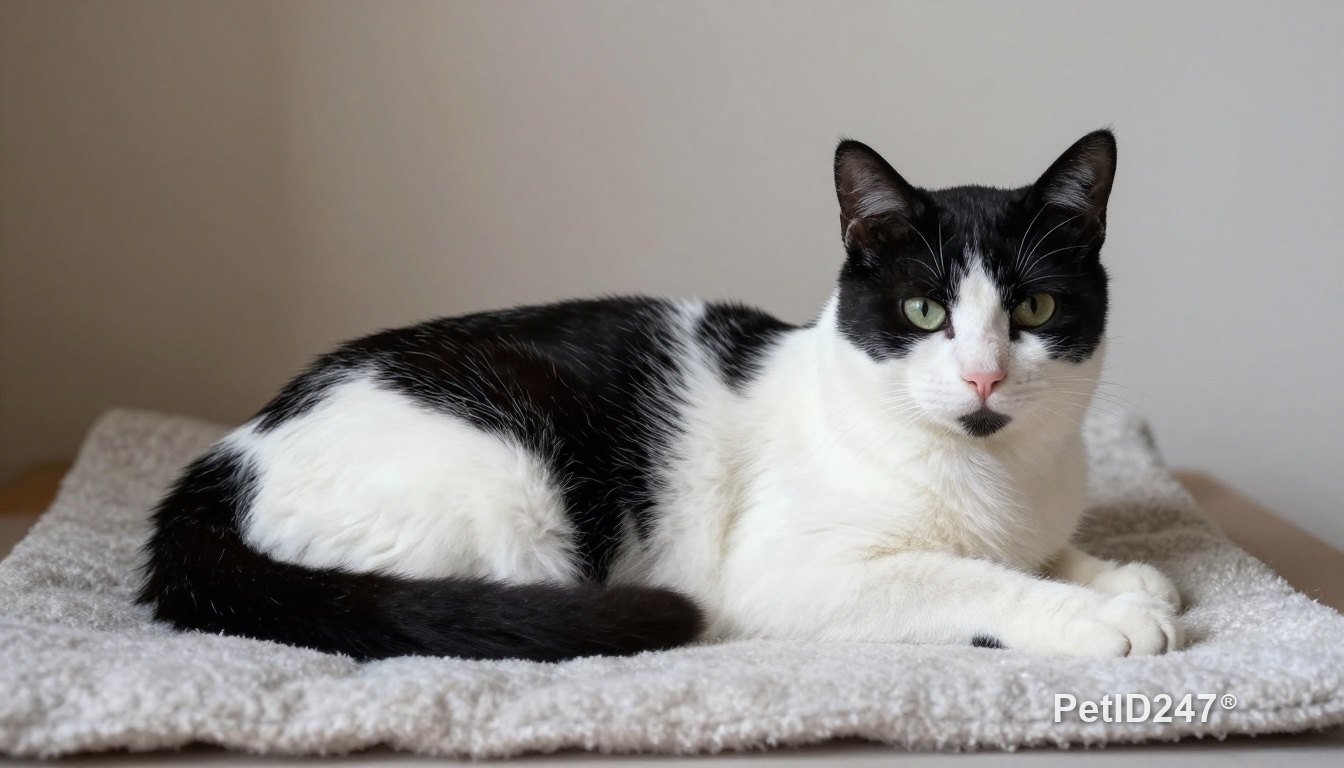
What to watch for at home
Make notes to share with your veterinarian:
- Eating and toileting: is the cat eating, is the stool loose, are there worms or blood?
- Skin and coat: fleas, scratch marks, round scaly patches of hair loss (possibly ringworm, which can spread to people).
- Eyes and nose: discharge, runny nose, sneezing.
- Ears: dark brown debris like coffee grounds, ear scratching, head shaking.
- Mouth: bad breath, drooling, red gums.
- Wounds: abscesses from fights, limping.
What the first vet visit includes
Take the cat to the vet within the first few days, or sooner if it shows signs of illness. Your veterinarian will usually:
- Do a general exam: weight, estimating age from the teeth, listening to the heart and lungs, checking eyes, ears, mouth, skin and coat.
- Scan for a microchip: to find out whether the cat has a previous owner.
- Check for parasites: fleas, ticks, ear mites and worms; the vet will recommend treatment suited to the cat's age and weight.
- Test for infectious diseases: usually feline immunodeficiency virus (FIV) and feline leukemia virus (FeLV), which is especially important if you already have other cats.
- Plan vaccinations: cats with an unknown history are usually restarted from the beginning, including rabies. The exact schedule is decided by your veterinarian.
- Discuss neutering and microchipping once the cat is healthy enough.
Any dewormer, flea treatment or ear mite treatment should be used only as directed by your veterinarian. Many dog products are highly toxic to cats, and kittens or weak cats need specially suitable products.
When to see a vet
Take the cat to the vet right away, without waiting for the isolation period to end, if it:
- Refuses food, is weak, feverish or lying in one place.
- Vomits, has heavy diarrhea or bloody stool.
- Has trouble breathing, breathes with its mouth open or coughs a lot.
- Has deep wounds, a swollen abscess or a severe limp.
- Has pale gums or a heavy flea burden, especially in kittens.
- Strains in the litter box without passing urine.
If you see round patches of hair loss on the cat's skin, limit contact, wash your hands well and have your vet check for ringworm. Anyone in the household with skin lesions possibly caught from the cat should see a doctor.
This article was prepared with the help of artificial intelligence tools and reviewed by the PetID247 editorial team before publication. It is for reference only and does not replace an examination by a veterinarian.