Pet Hedgehog Care: Housing, Temperature and Diet
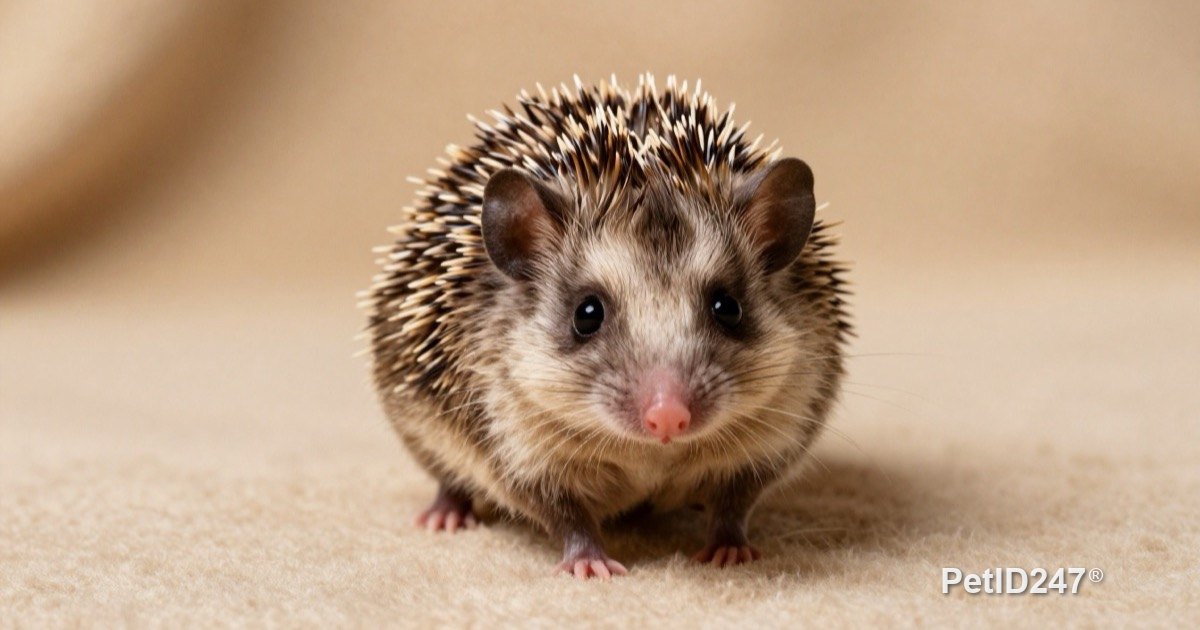
AI-generated illustration
Pet hedgehogs need a roomy enclosure, steady warmth and a high-protein, moderate-fat diet. Here is how to prepare properly before bringing one home.
The African pygmy hedgehog is a small, spiny, mostly nocturnal animal that more and more people are choosing as a pet. Hedgehogs are not like hamsters or rabbits: they are insectivores, very sensitive to temperature and prefer to live alone. This guide helps you set up the enclosure, keep it warm and feed your hedgehog properly.
Before you decide
- Legal source: only buy a hedgehog from a legal breeder or seller with clear information. Never take hedgehogs or any other animals from the wild. Check and follow the rules where you live.
- Schedule: hedgehogs are awake and very active at night and can be noisy. During the day they sleep and don't like being woken.
- Living alone: adult hedgehogs are usually best kept one per enclosure. Housing them together can lead to fighting or unplanned breeding.
- Hygiene: like many animals, hedgehogs can carry bacteria such as Salmonella without showing signs. Always wash your hands after handling your hedgehog or cleaning the enclosure, especially children.
A suitable enclosure
Wild hedgehogs travel a lot each night, so the bigger the enclosure, the better. Key features:
- Solid, flat floor: avoid wire floors, which can trap feet and break nails.
- Secure, well-ventilated walls: hedgehogs are surprisingly good climbers and squeezers, so walls or a lid must be high enough with no wide gaps.
- Exercise wheel: one with a solid running surface (no open rungs), large enough that the hedgehog's back doesn't arch while running. Clean it often, as hedgehogs tend to toilet while they run.
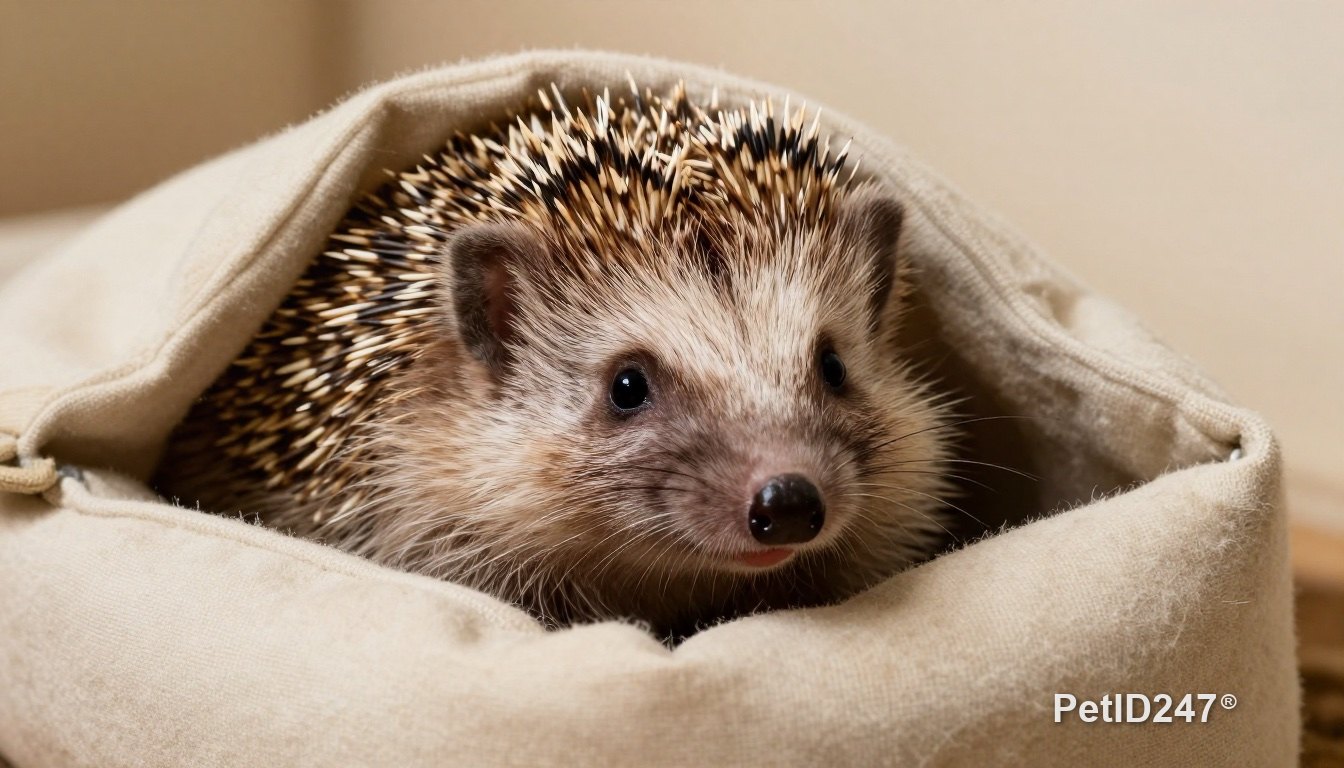
- Hide: a hideout or fabric sleeping pouch for daytime rest.
- Bedding: dust-free paper bedding, fleece liners or another safe material. Avoid strongly aromatic wood shavings, which can irritate the airways.
- Food and water bowls: heavy, shallow and hard to tip. Many hedgehogs drink more readily from a bowl than a hanging bottle.
Temperature: vital for pet hedgehogs
African pygmy hedgehogs come from warm regions. As a common guide, a suitable temperature is approximately 24–29°C (75–84°F). When it gets cold, especially below about 20°C (68°F), a hedgehog may try to hibernate. For a pet hedgehog this is very dangerous and can be fatal.
On the other hand, too much heat can cause heatstroke. Some tips:
- Place a thermometer right next to the enclosure and check it day and night.
- In cold weather, use a heater with a thermostat, placed outside the enclosure or at one end so the hedgehog can move away if it feels too warm. Never let it touch the heat source directly.
- In hot weather, avoid direct sun and stuffy spots.
- Keep a regular light-dark cycle. Too little daylight can also make a hedgehog less active.
If your hedgehog feels cold to the touch, wobbles, or lies flat instead of curling up, warm it gradually with your body heat or a warm heat pack wrapped in a towel, and contact a veterinarian.
What to feed a pet hedgehog
Hedgehogs are insectivores and need plenty of protein with moderate fat. Pet hedgehogs become obese very easily if they eat a lot and move little.
- Base diet: a dry food made for hedgehogs, or another food with a suitable composition as advised by your veterinarian.
- Insects: mealworms, crickets and cleanly farmed earthworms, in moderation as a supplement. Don't feed garden insects, which may carry pesticides or parasites.
- Vegetables and fruit: small amounts, cut into small pieces, such as steamed pumpkin, steamed green peas or apple with seeds removed.
Foods to avoid: milk and dairy, grapes and raisins, avocado, onion, garlic, chocolate, salty or fried food, hard nuts that can cause choking, and raw meat. Feed in the evening when your hedgehog starts to wake up.
When to see a vet
Find a veterinarian experienced with exotic pets if your hedgehog has:
- Not eaten for more than a day, or obvious weight loss.
- Wobbling, loss of balance, trembling or progressive weakness in the legs.
- Heavy quill loss with red, flaky, itchy skin or constant scratching.
- Ongoing diarrhea, persistent green droppings or vomiting.
- Wheezing, a runny nose or crusty eyes.
- Any lump or swelling anywhere on the body.
Take your hedgehog for a general checkup soon after bringing it home, and regularly afterward as your veterinarian advises.
Pet hedgehogs are not the right pet for everyone, but with a roomy enclosure, steady warmth and the right diet, they can be fascinating little companions for many years.
This article was prepared with the help of artificial intelligence tools and reviewed by the PetID247 editorial team before publication. It is for reference only and does not replace an examination by a veterinarian.