What Do Rabbits Eat? Why Hay Comes First
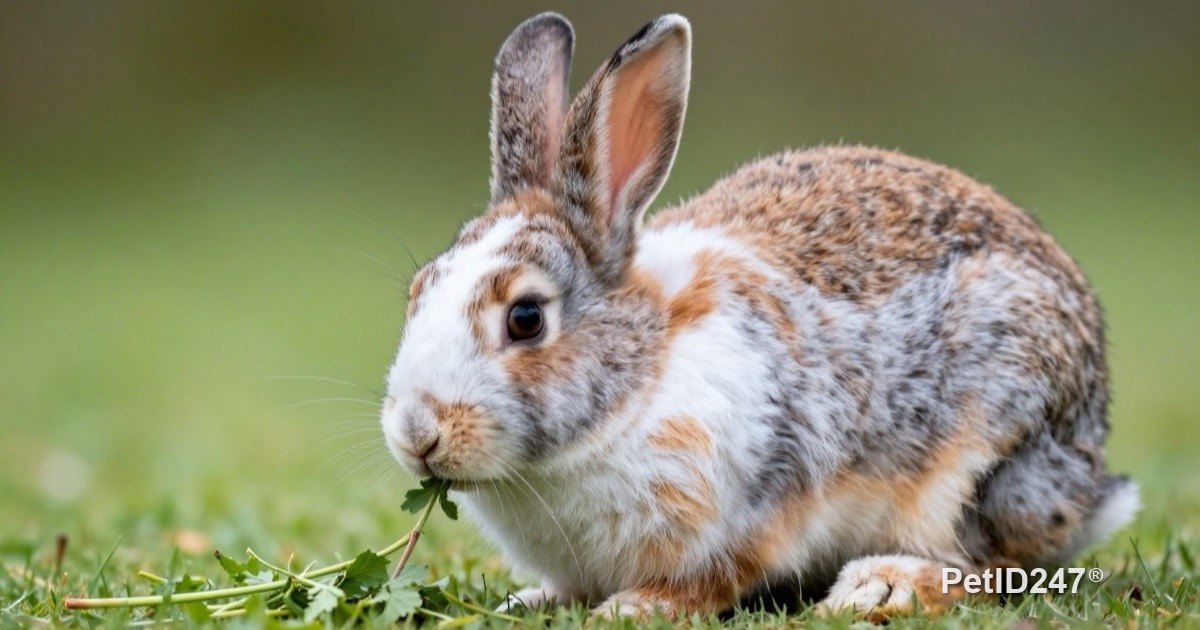
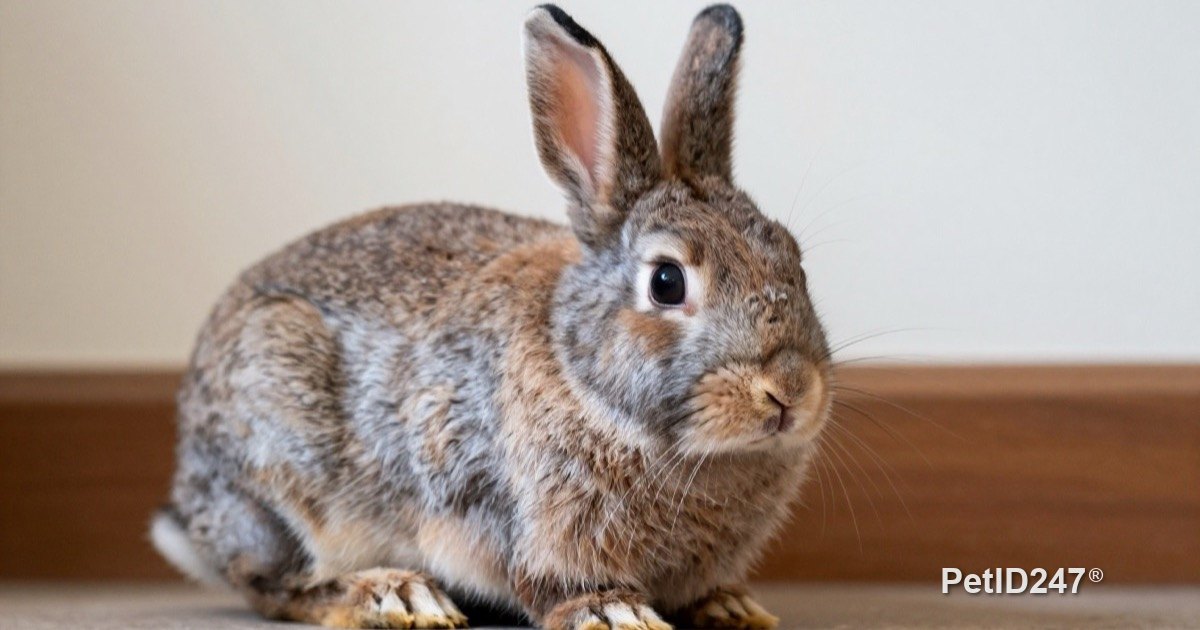
AI-generated illustration
Hay is the foundation of healthy rabbit teeth and digestion. Learn the right balance of hay, greens and pellets, and which foods rabbits should avoid.
The image of a rabbit nibbling a carrot is familiar, but it is not the right diet. Rabbits are herbivores whose teeth and gut need a great deal of fiber. Understanding why hay comes first will help you prevent many common problems in pet rabbits.
Why hay matters so much
Rabbit teeth grow throughout life
A rabbit's front teeth and cheek teeth grow continuously for its whole life. In the wild, rabbits chew grass for many hours a day, and grinding tough, fibrous grass wears the teeth down evenly. If a rabbit eats mostly pellets or soft vegetables, its teeth don't wear down enough. The cheek teeth can grow unevenly and form sharp spurs that cut into the tongue and cheeks, causing pain and loss of appetite.
The gut needs fiber to keep moving
A rabbit's intestines need coarse fiber to contract steadily and keep food moving. Rabbits also have a large cecum, where microbes ferment fiber. With too little fiber and too much starch and sugar, this microbial balance is easily upset, leading to bloating, diarrhea or gut stasis, a very dangerous condition in rabbits.
Rabbits also cannot vomit. Everything they eat must pass all the way through the gut, which shows just how important the right diet is.
A balanced diet for adult rabbits
Common recommendations for healthy adult rabbits can be pictured like this (as a guide):
- Hay: the bulk of the diet. Always available, unlimited. Each day a rabbit should eat a pile of hay roughly the size of its own body.
- Fresh leafy greens: a smaller share. About a handful of mixed leafy greens per meal, offered daily.
- Rabbit pellets: a small amount. A supplement only, never a full bowl. Choose uniform, high-fiber pellets and avoid colorful muesli-style mixes with seeds and grains.
- Fruit and treats: very little. Just a few small pieces, not every day.
- Clean water: always available, changed daily.
Young rabbits, pregnant or nursing does, and older or sick rabbits have different needs. Ask your veterinarian for a suitable diet.
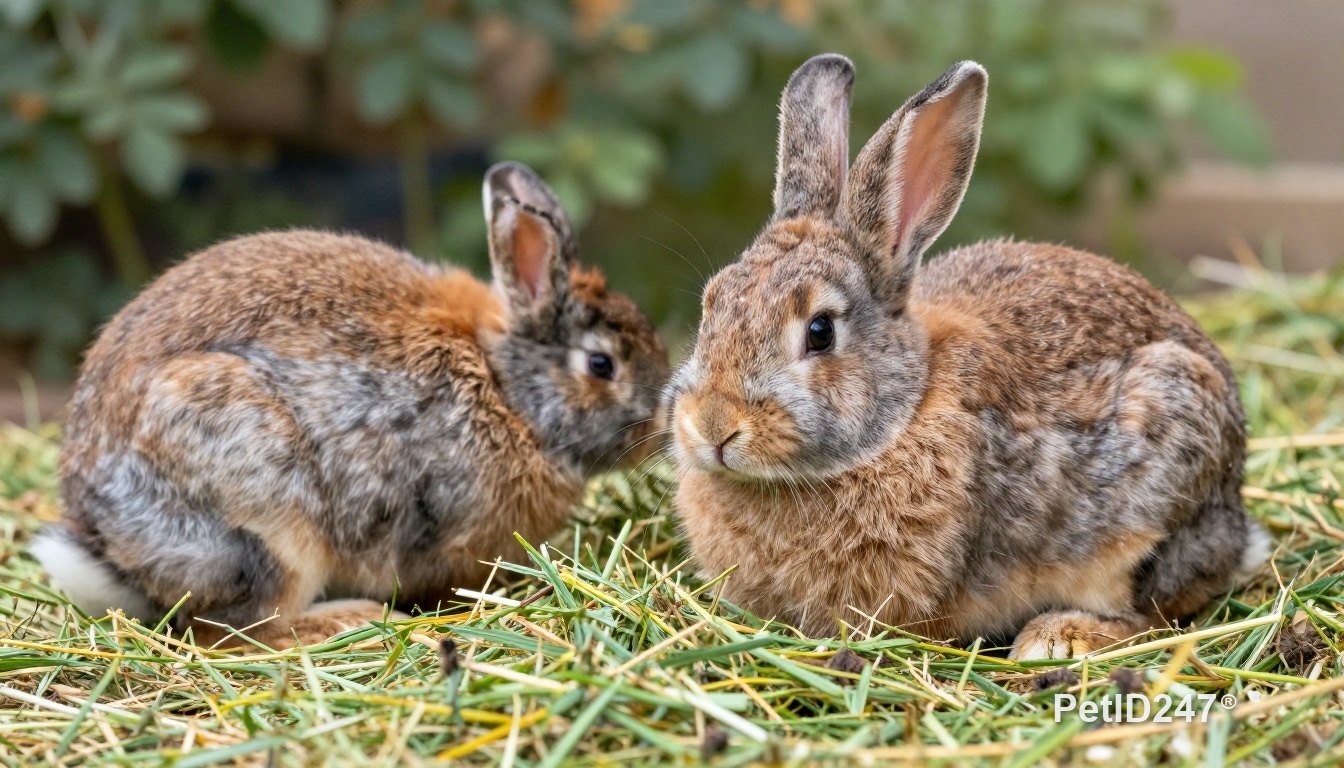
Greens and foods to choose or avoid
Greens commonly fed to rabbits
- Herbs such as cilantro, parsley, basil and dill.
- Leafy greens such as dark green leaf lettuce, kale, carrot tops and romaine.
- A little bell pepper and chopped celery.
Wash and drain greens well; don't feed greens that are still very wet, wilted or bruised. Introduce only one new vegetable at a time in a small amount, and watch the droppings for a few days before increasing it. Carrots are actually high in sugar and are only a treat.
Foods not to give rabbits
- Chocolate, sweets, bread, cookies, rice and cereals.
- Onion, garlic, chives and strongly pungent radishes.
- Avocado, raw potato, nuts and dried beans.
- Pale iceberg lettuce: low in nutrients and can cause loose stools.
- Houseplants and unidentified plants picked by the roadside, which may carry pesticides or contain toxins.
- Milk and dairy products for adult rabbits.
Changing food and watching the droppings
A rabbit's digestive system is very sensitive. Every change, from the type of hay to the brand of pellets, should be made gradually over about one to two weeks.
Droppings are the easiest way to gauge digestive health. Normal droppings are large, round, dry and uniform. Rabbits also produce a different kind of dropping that is soft, shiny and clustered like a bunch of grapes, usually at night or early morning, and they eat these themselves. This is normal behavior that helps them absorb extra nutrients. If these soft droppings often stick around the bottom, your rabbit may be eating too many pellets and too little hay, or may have a health problem.
When to see a vet
In rabbits, not eating is an emergency, so don't wait. Take your rabbit to a veterinary clinic experienced with rabbits as soon as:
- Your rabbit stops eating or passes no droppings for about half a day, or the droppings get smaller and then stop.
- The belly is swollen and your rabbit sits hunched, grinds its teeth and doesn't want to move. These may be signs of abdominal pain.
- There is watery diarrhea, especially in young rabbits.
- Drooling, a wet chin, slow eating, picking only soft foods or dropping food. Your rabbit may have a dental problem.
- Weight loss, an unkempt coat or soft droppings stuck to the bottom for a long time.
Never give your rabbit digestive remedies or antibiotics meant for people, dogs or cats. Some medicines that are safe for other species can be dangerous for rabbits. All medication should be given only as directed by your veterinarian.
This article was prepared with the help of artificial intelligence tools and reviewed by the PetID247 editorial team before publication. It is for reference only and does not replace an examination by a veterinarian.