Guinea Pig Care: What They Need to Stay Healthy
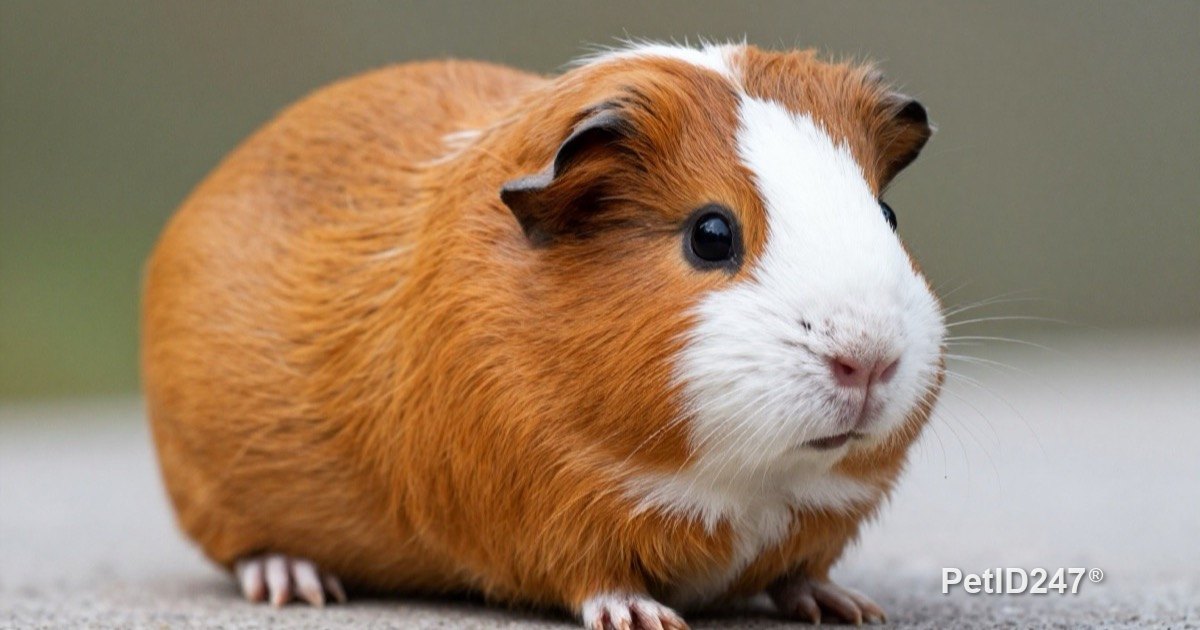
AI-generated illustration
Guinea pigs need unlimited hay, enough vitamin C from food, a companion and cool housing. The basics of keeping guinea pigs healthy.
Guinea pigs, also called cavies, are gentle little animals that often squeak excitedly when they see their owners. Cute and friendly as they are, guinea pigs have a few special needs that new owners often overlook, most importantly vitamin C and hay. Getting the points below right will help your guinea pig live a healthy life for many years.
Hay and pellets
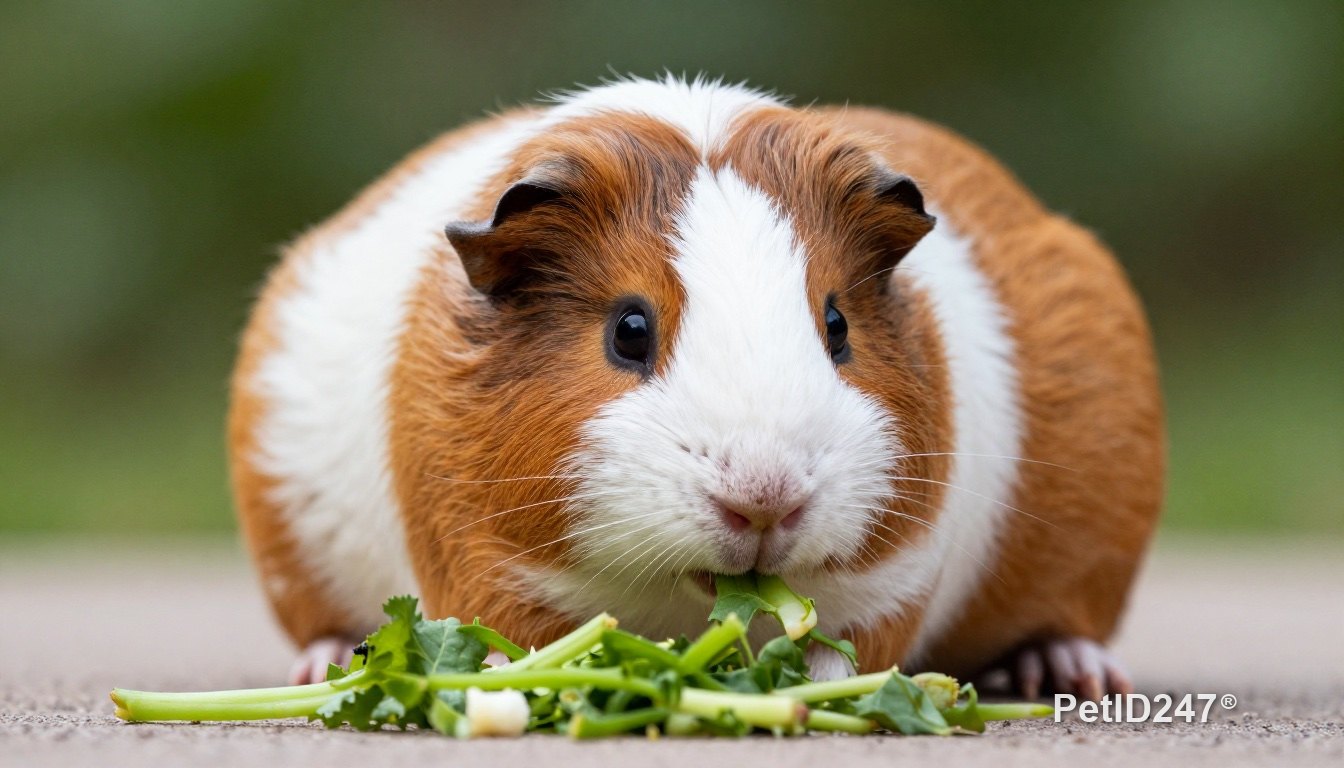
Like rabbits, guinea pigs are herbivores whose teeth grow continuously throughout life. Hay must therefore be the main part of their diet.
- Grass hay: always available, unlimited. Chewing hay wears the teeth down evenly and keeps the gut working well.
- Legume hay: rich in calcium, usually reserved for young or pregnant guinea pigs or used on professional advice. Too much calcium in adult guinea pigs may increase the risk of urinary stones.
- Pellets made specifically for guinea pigs: a small amount each day. Don't use rabbit pellets, as they usually don't contain suitable vitamin C for guinea pigs.
- Clean water: change it daily and check that the water bottle isn't blocked.
Vitamin C: an absolute must
Unlike many animals, guinea pigs cannot make their own vitamin C. Like people, they must get vitamin C from their food every day. A long-term lack of vitamin C can lead to scurvy: painful joints, difficulty moving, bleeding gums, a scruffy coat, slow wound healing and greater vulnerability to other illnesses.
Natural sources of vitamin C
- Bell peppers, especially red and yellow ones.
- Parsley, kale and broccoli.
- A little of other dark leafy greens such as leaf lettuce and cilantro.
- A small piece of orange, kiwi or strawberry as an occasional treat.
Vitamin C breaks down over time when exposed to heat, light and air. Pellets kept for a long time after the bag is opened lose vitamin C. Buy only as much as you will use, keep it sealed and store it somewhere cool and dry.
Vitamin C supplements for guinea pigs exist, but whether one is needed and how to use it should be decided by your veterinarian; always read the product label carefully. Adding vitamin C to drinking water is usually unreliable, because the vitamin breaks down quickly in water and may put guinea pigs off drinking.
Housing and companionship
A roomy enclosure with a flat floor
- Guinea pigs run around horizontally and rarely climb, so floor space matters more than height. As a guide, a pair of guinea pigs should have at least about 0.7 square meters (roughly 7.5 square feet) of floor space; the bigger the better.
- Use a flat floor lined with shredded paper, paper bedding for small pets or absorbent fleece liners. Avoid wire floors, which can cause foot sores.
- Each guinea pig needs at least one hideout of its own.
- Don't use exercise wheels or running balls for guinea pigs, as they can injure the back.
Guinea pigs need company
Guinea pigs are herd animals. Kept alone, they often become bored and stressed. It is best to keep at least two, for example two females, or a female with a neutered male. Two males can live together if they get along and have enough space.
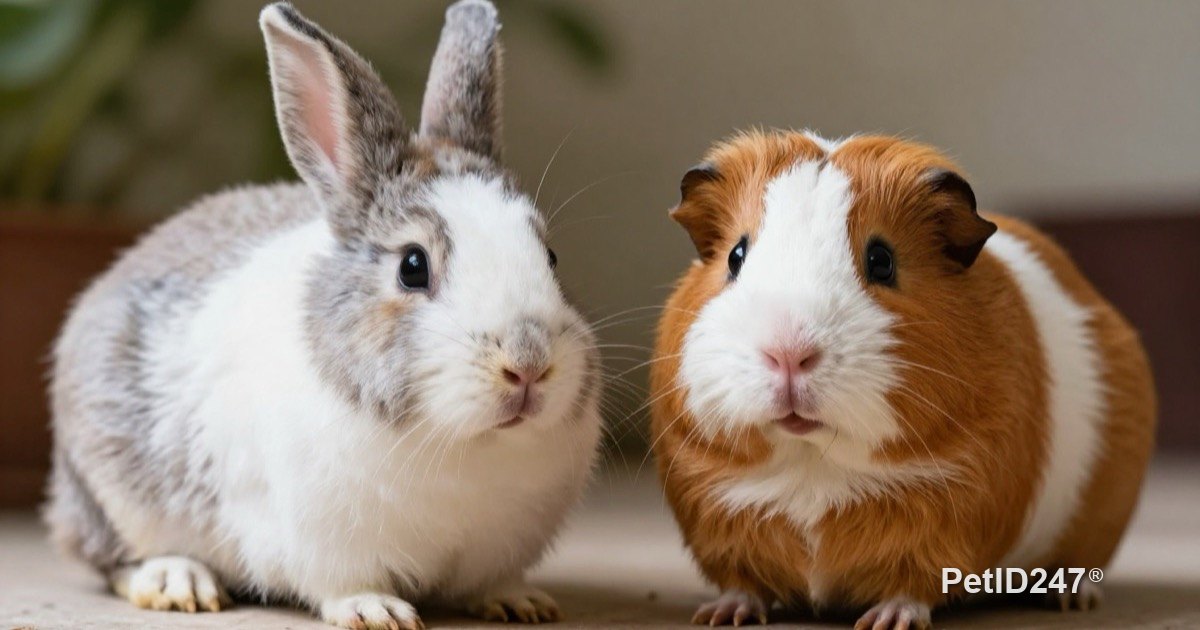
Don't house guinea pigs with rabbits. Rabbits can kick and injure guinea pigs, and the two species can carry germs that are harmful to each other.
Keep them out of the heat
Guinea pigs are very prone to heatstroke. A comfortable temperature is around 18 to 24 °C (about 64 to 75 °F) as a guide. In summer, place the enclosure somewhere airy and shaded, out of direct sunlight; you can provide a ceramic tile or a towel-wrapped frozen water bottle for them to lie on.
Cleaning and regular care
- Daily: remove leftover vegetables, change the water and clear away wet, dirty bedding.
- Weekly: replace all the bedding and wipe the enclosure with clean water or a mild, pet-safe cleaning solution, then let it dry completely.
- Regular weighing: weigh your guinea pig weekly on a kitchen scale. Weight loss is often an early sign of illness.
- Nails: overgrown nails need regular trimming; trim only the tip and avoid the part with blood vessels.
- Coat: long-haired guinea pigs need frequent brushing and the fur around the bottom trimmed to keep it clean.
- Don't bathe often: bathe only when really necessary and dry thoroughly right afterwards.
When to see a vet
Guinea pigs are prey animals in the wild and are very good at hiding illness. By the time you notice signs, the illness may already be serious. Take your guinea pig to a veterinary clinic experienced with small pets if:
- It eats little or nothing, or passes few or no droppings.
- It has nasal discharge, crusty eyes, wheezing or labored breathing.
- It is drooling, has a wet chin, struggles to chew or has misaligned front teeth.
- It has trouble moving, is reluctant to move, has swollen joints or squeals in pain when touched.
- It has blood in the urine, strains to urinate or cries out when urinating.
- It has clear weight loss, patchy hair loss, frequent scratching or scaly skin.
Never medicate your guinea pig yourself, especially with antibiotics. Some antibiotics commonly used in people, dogs and cats can cause severe digestive upset and even death in guinea pigs.
This article was prepared with the help of artificial intelligence tools and reviewed by the PetID247 editorial team before publication. It is for reference only and does not replace an examination by a veterinarian.