Sick Small Pets: Early Warning Signs to Watch For
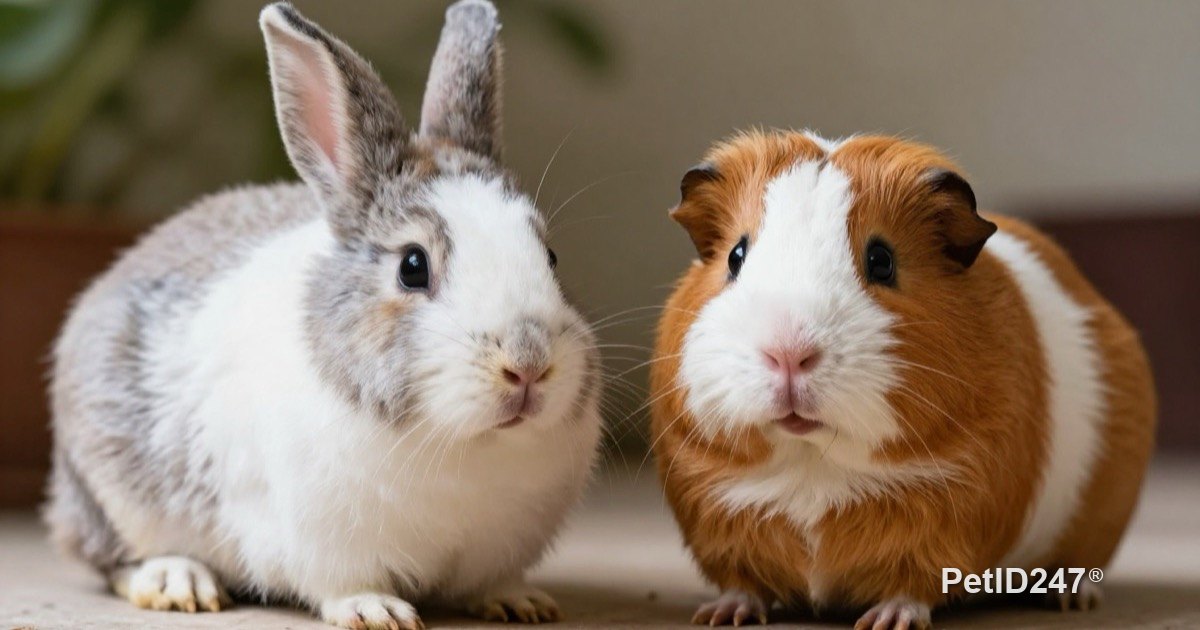
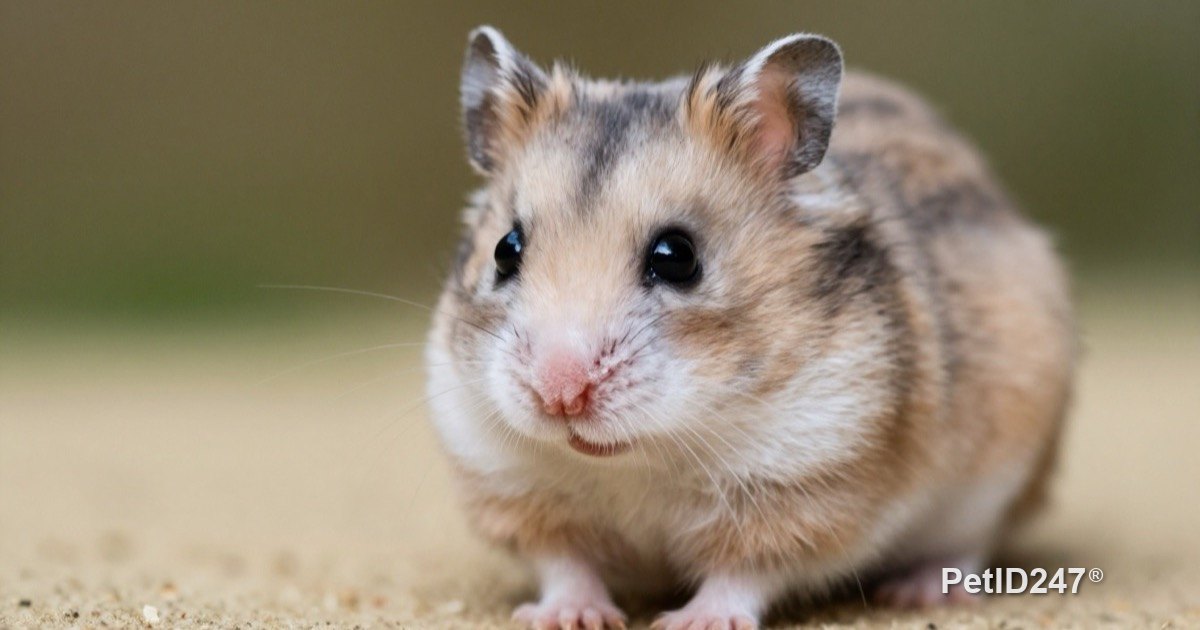
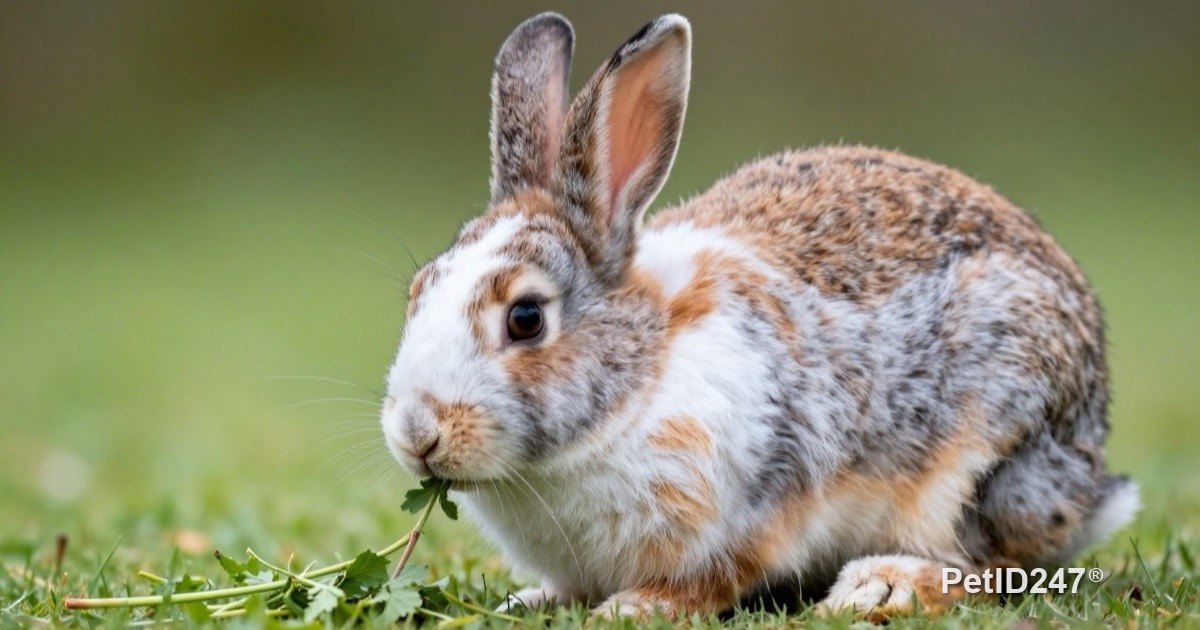
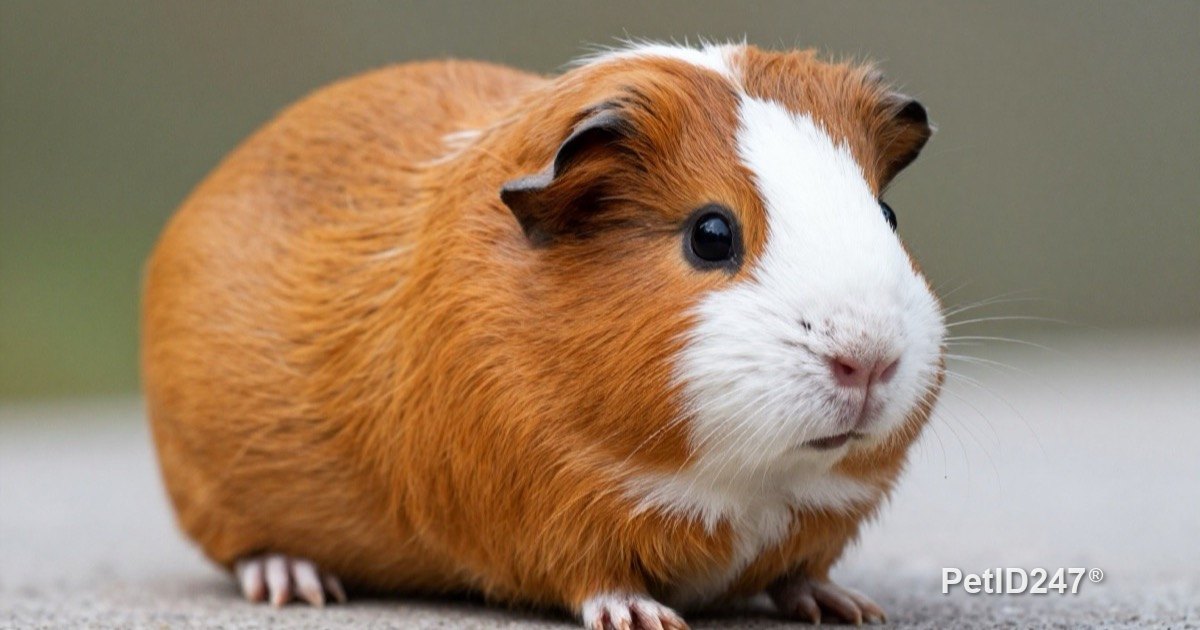
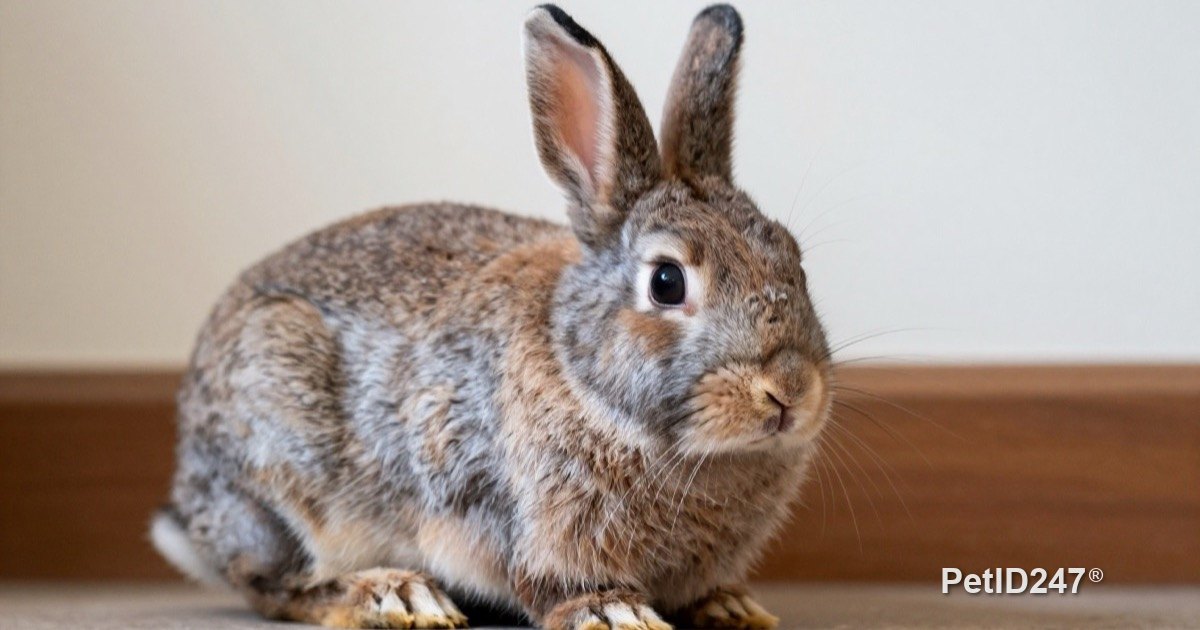
AI-generated illustration
Rabbits, guinea pigs and hamsters often hide illness until it is serious. Spotting early warning signs helps you get your pet to the vet in time.
Rabbits, guinea pigs, hamsters and other small pets are all prey animals in the wild. To avoid attracting predators, they instinctively hide any sign of weakness. So by the time you notice that a small pet seems unwell, the illness has often been going on for a while. Knowing the early signs is the best way to protect them.
Why small pets need prompt veterinary care
A small body means small energy reserves. A hamster or guinea pig that stops eating for even a short time can deteriorate much faster than a dog or cat.
Rabbits and guinea pigs also have digestive systems that need to keep working constantly. When they stop eating, the gut can easily stop moving, creating a vicious cycle that gets steadily worse. For these species, waiting a few more days to see what happens is often too late.
Unusual signs to watch for
Eating, drinking and toileting
- Eating less than usual, refusing favorite foods or choosing only soft foods.
- Droppings getting smaller, fewer, dry and hard, or stopping altogether.
- Diarrhea, droppings stuck around the bottom, or a wet, dirty tail area.
- Drinking unusually much or unusually little.
- Straining to urinate or blood in the urine. Note that rabbit urine is sometimes orange or reddish-brown because of pigments from food, but you shouldn't judge this yourself; ask your veterinarian.
Teeth and mouth
- Drooling, a wet chin and chest.
- Dropping food, chewing slowly or chewing on one side.
- Front teeth that are overgrown, misaligned or broken.
- Swelling of the jaw, below the eye or on the cheek.
Breathing, eyes and nose
- Frequent sneezing, nasal discharge, or matted fur on the front paws from wiping the nose.
- Crusty or watery eyes, or eyes that look cloudy or bulging.
- Rapid breathing, wheezing or open-mouth breathing. Rabbits and guinea pigs normally breathe through their nose, so open-mouth breathing is a very serious sign.
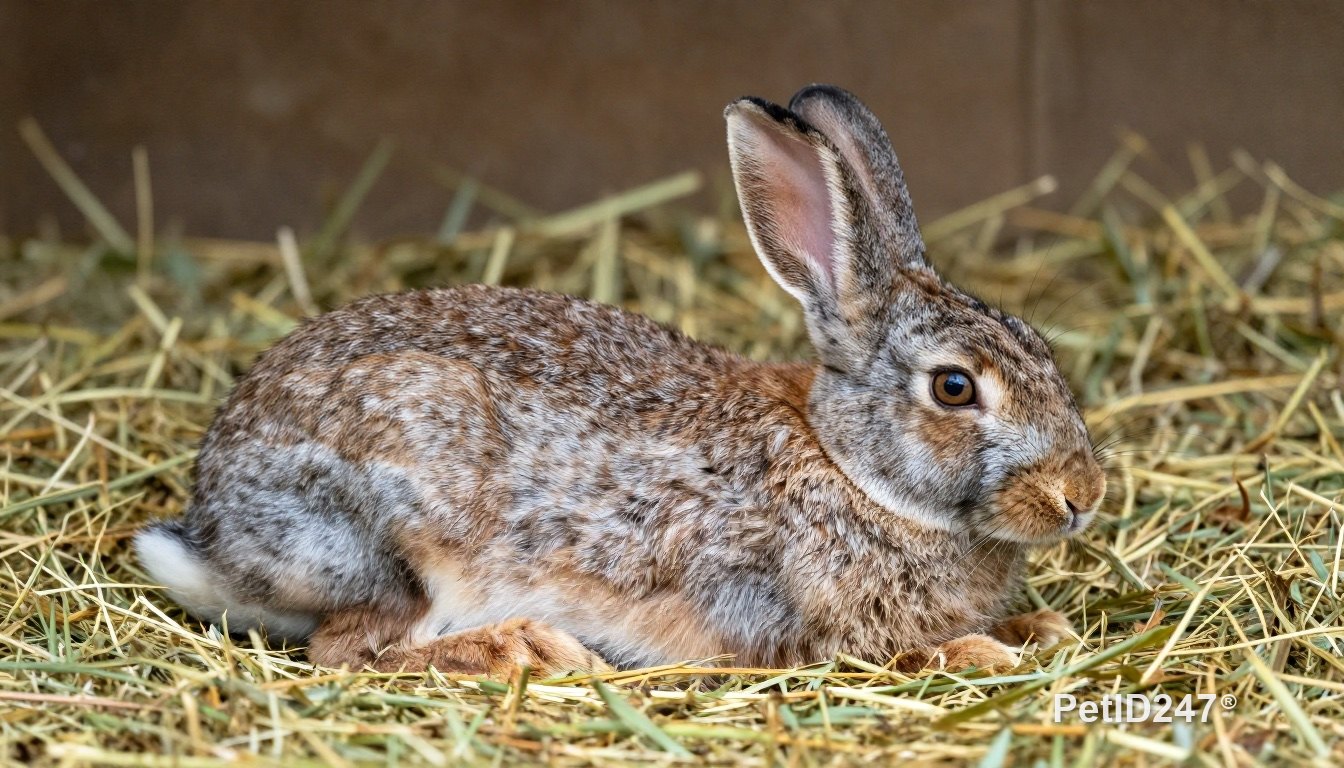
Posture and behavior
- Sitting hunched in one spot with fluffed-up fur, unwilling to move.
- Audible teeth grinding, which can be a sign of pain.
- Head tilted to one side, wobbly walking, loss of balance or circling.
- Limping or reluctance to stand on the hind legs.
- Hiding more than usual or, the opposite, becoming irritable and biting when touched.
Skin and coat
- Constant scratching, patchy hair loss, red, scaly or flaky skin.
- Lumps, wounds or abscesses.
- Red, bald or ulcerated soles of the feet.
- In hot, humid weather, check your rabbit's rear end every day. Flies can lay eggs in soiled fur, and the maggots that hatch can cause very serious damage.
Monitoring at home and preparing for a vet visit
You don't need to be an expert to spot illness early. You just need to observe regularly:
- Look every day: does your pet come out to eat when you feed it, and are the droppings normal?
- Weigh weekly: use a kitchen scale and record the weight. Gradual weight loss is often the first sign.
- Check the body: each week, gently look at the front teeth, eyes, nose, ears, feet and rear end.
- Keep notes: when you notice something unusual, write down when it started and take photos or videos to show your veterinarian.
When you go to the vet, keep your pet in a carrier lined with a towel, and bring some hay, its usual food and a sample of droppings if possible. Keep it warm in cold weather and cool in hot weather.
Not every veterinary clinic has experience with rabbits, guinea pigs and hamsters. Find a clinic that treats small pets while your pet is still healthy, so you don't have to search when you need one.
When to see a vet
Take your small pet to the vet the same day, without waiting until tomorrow, if:
- A rabbit or guinea pig stops eating or passes no droppings for about half a day.
- A hamster isn't eating, is lethargic, or has a wet, dirty tail area or diarrhea.
- Your pet is struggling to breathe or breathing with its mouth open.
- The belly is swollen, your pet is lying flat, its ears or feet feel cold, or it can't get up.
- There is a sudden head tilt, seizures or loss of balance.
- There are maggots on the body, bleeding, or injuries from a fall or a bite.
- Your pet shows signs of heatstroke after being somewhere hot: rapid breathing, lying limp, red and hot ears.
Milder signs such as gradual weight loss, hair loss or persistent sneezing also call for an appointment within a few days.
Never give small pets human medicines or medicines meant for dogs and cats. Many drugs, especially certain antibiotics, can seriously harm rabbits, guinea pigs and hamsters. All medication must be given only as directed by your veterinarian.
This article was prepared with the help of artificial intelligence tools and reviewed by the PetID247 editorial team before publication. It is for reference only and does not replace an examination by a veterinarian.