Chinchilla Dust Baths and Keeping Cool in Heat
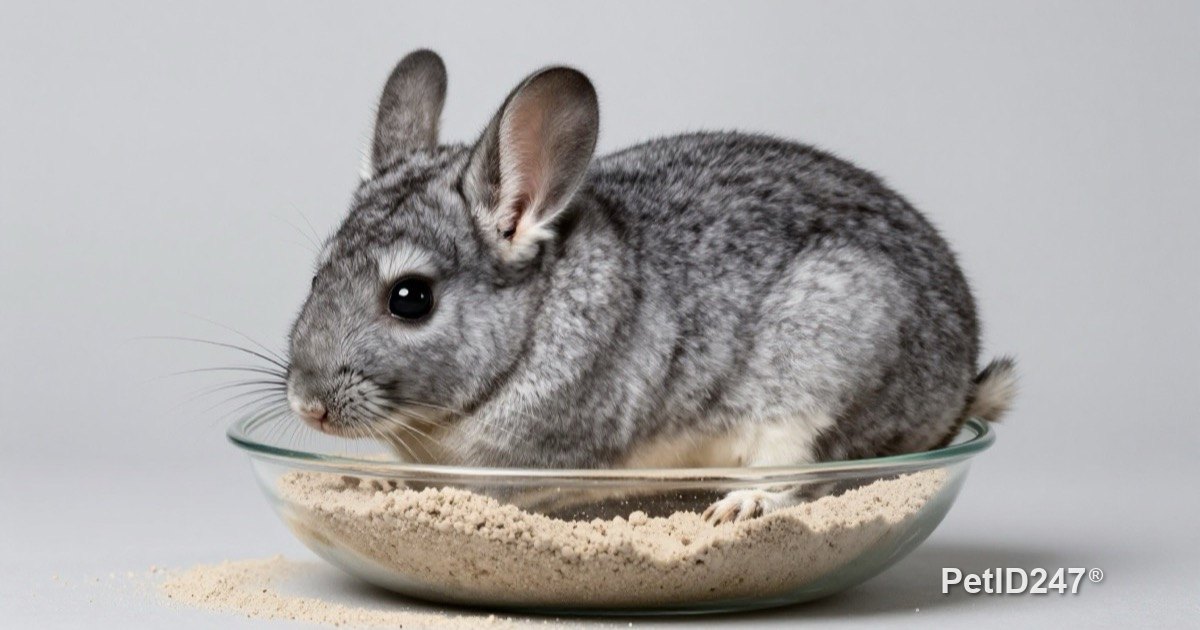
AI-generated illustration
Chinchillas bathe in special dust, not water, and overheat very easily. Learn how to give a dust bath and keep your chinchilla safely cool in hot weather.
Chinchillas have one of the densest, softest coats of any pet. That coat helps them survive in cold, dry high mountains, but it is a real challenge in hot, humid places. Two things every chinchilla owner needs to get right from the start are dust bathing and keeping cool.
Why chinchillas must not be bathed in water
Chinchilla fur is extremely dense, with many hairs growing from each follicle. When it gets wet, water soaks deep into the coat and takes a very long time to dry. Fur that stays damp can lead to fungal skin infections, a musty coat and chilling.
Instead, chinchillas clean their fur by rolling in fine dust. The dust absorbs excess oil and moisture, leaving the coat fluffy and clean. If your chinchilla accidentally gets wet, blot it with a soft towel, keep it in a warm, airy room and ask your veterinarian how to dry it safely.
How to give a dust bath
Choosing the dust
- Use bathing dust made specifically for chinchillas, with a very fine, powder-like texture.
- Don't use construction sand, play sand, cat litter or beach sand. These are too coarse, may contain impurities and can damage the fur.
- The dust should be dry, free of clumps and without odd smells.
Equipment and method
- Choose a high-sided container or a covered bath house large enough for the chinchilla to roll over completely.
- Pour a layer of dust a few centimeters deep into the bottom.
- Place it in the cage or play area. The chinchilla will roll, flip and shake on its own.
- Let it bathe for about 10–15 minutes, then remove the container. Don't leave the bath in the cage all day, as the chinchilla may use it as a toilet or bathe too much.
As a common guide, chinchillas should have a dust bath a few times a week. In very humid places they may need it more often. If you notice dry, flaky skin or red eyes, reduce the frequency and ask your veterinarian.
Keeping the dust clean
After each bath, sift out droppings, loose fur and debris. Replace the dust when it clumps, changes color or smells. Use the bath in a well-ventilated spot, because fine dust in the air can irritate the eyes and airways of both the chinchilla and the people at home.
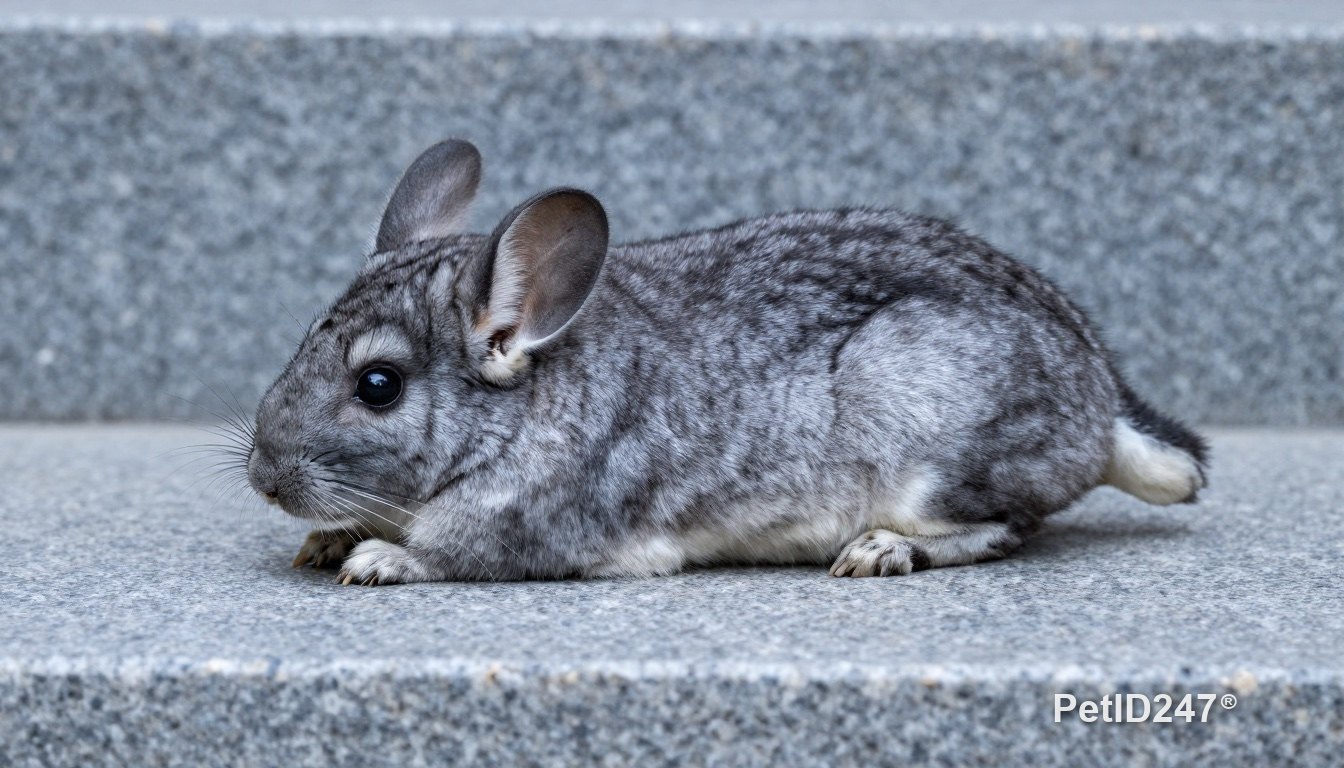
Keeping your chinchilla cool
Chinchillas have almost no effective way to cool themselves. They don't sweat, and their dense fur holds heat very well. As a common guide, a suitable temperature for chinchillas is approximately 15–22°C (59–72°F) with low humidity. Above about 25°C (77°F), the risk of heatstroke rises quickly. Treat these as guide figures, but in a hot, humid climate, keeping cool should be considered essential.
Common ways to keep cool
- An air-conditioned room: keep the cage in a room with steady air conditioning, but not in the direct path of the airflow.
- A cooling stone: a granite slab or an unglazed, unpainted ceramic tile placed in the cage for the chinchilla to lie on.
- Shade: keep the cage away from sunny windows, metal roofs, kitchens and heat-producing appliances.
- A chilled water bottle: a hard plastic bottle of chilled water, wrapped in a cloth and placed outside or against the cage. Make sure the chinchilla can't chew it.
- A thermometer and hygrometer: placed near the cage so you know the real conditions.
What not to do
- Don't spray your chinchilla with water or wipe it with a wet cloth to cool it.
- Don't put ice directly in the cage.
- Don't transport your chinchilla in the heat of the day or leave it in a parked car.
When to see a vet
Heatstroke in chinchillas can progress very quickly. Watch for these signs:
- Lying stretched out, weak and unresponsive.
- Rapid breathing or breathing through the mouth.
- Bright red, hot ears.
- Drooling or wet fur around the mouth.
- Trembling, seizures or collapse.
If you suspect heatstroke, move your chinchilla to a cool room immediately, let it lie on a cooling stone, and contact your veterinarian without delay. Don't cool it suddenly with ice water. Also see a vet if your chinchilla loses fur in patches, has red or flaky skin, has red, watery eyes that don't clear up, or stops eating, as these may signal a fungal infection, irritation or another illness that needs proper treatment.
This article was prepared with the help of artificial intelligence tools and reviewed by the PetID247 editorial team before publication. It is for reference only and does not replace an examination by a veterinarian.