Choosing a Small Pet for Kids: What to Consider
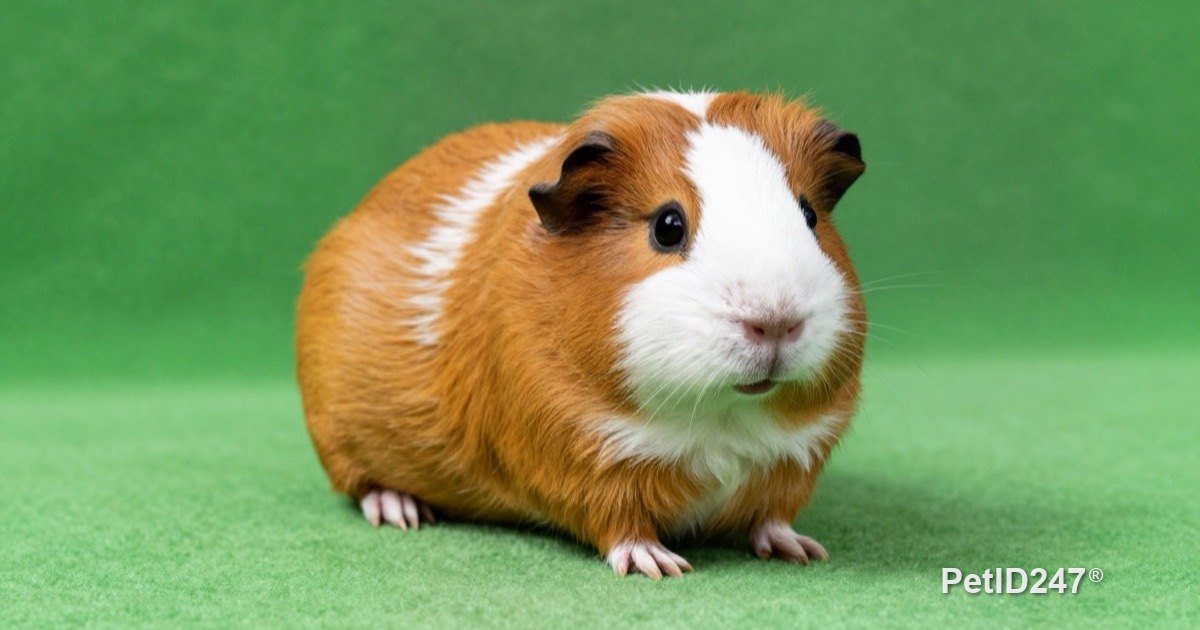
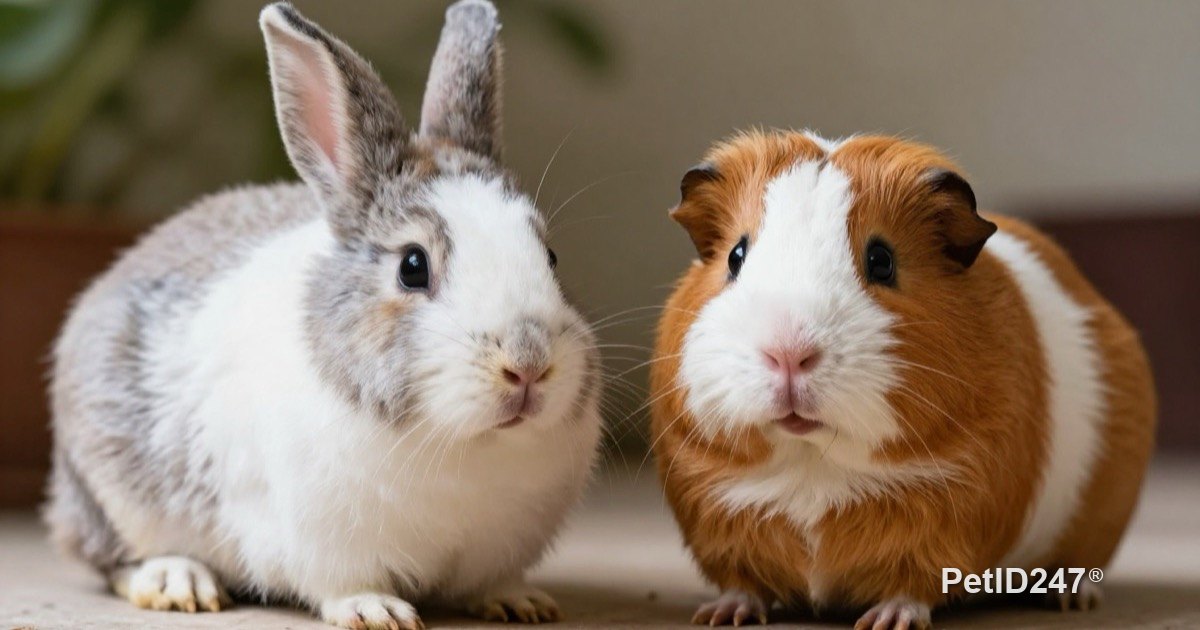
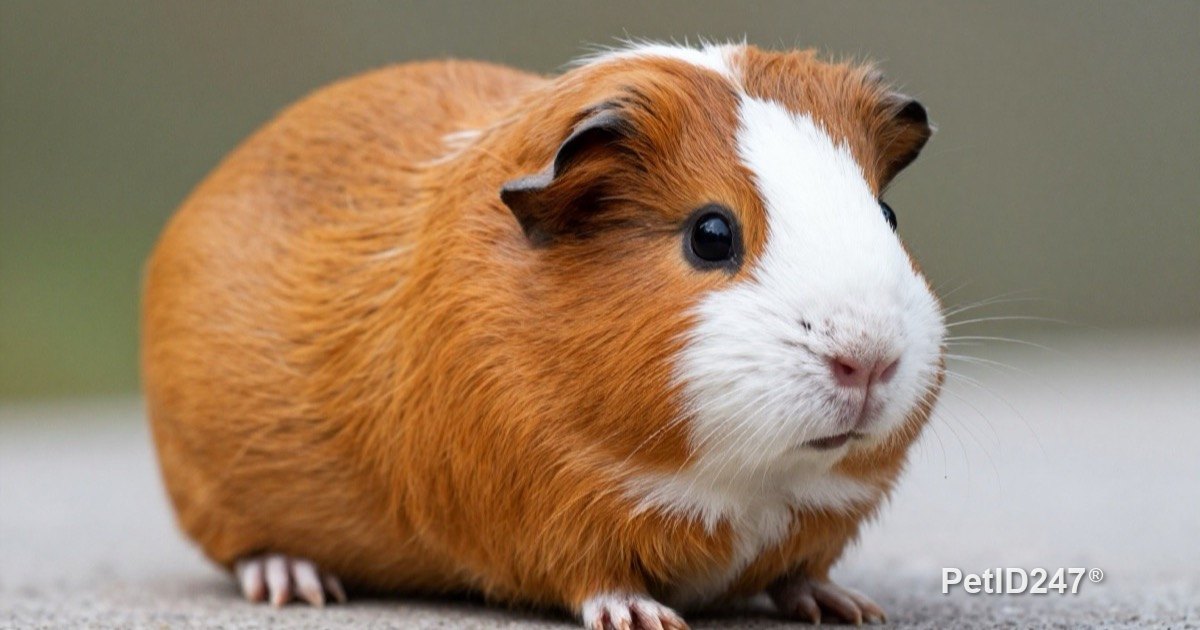
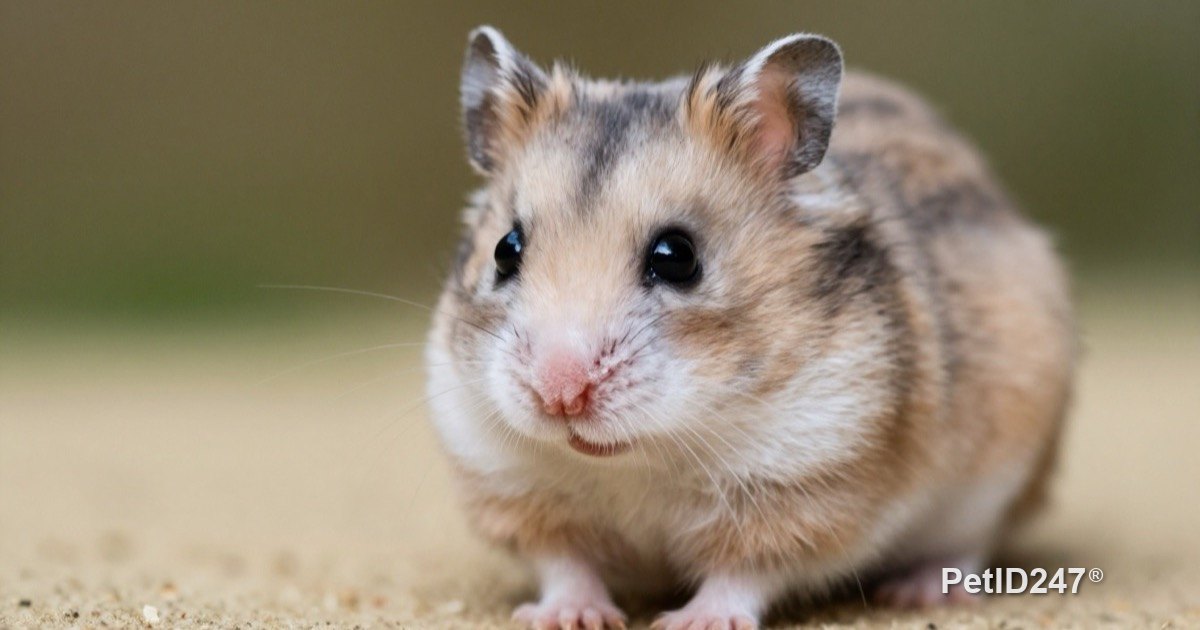
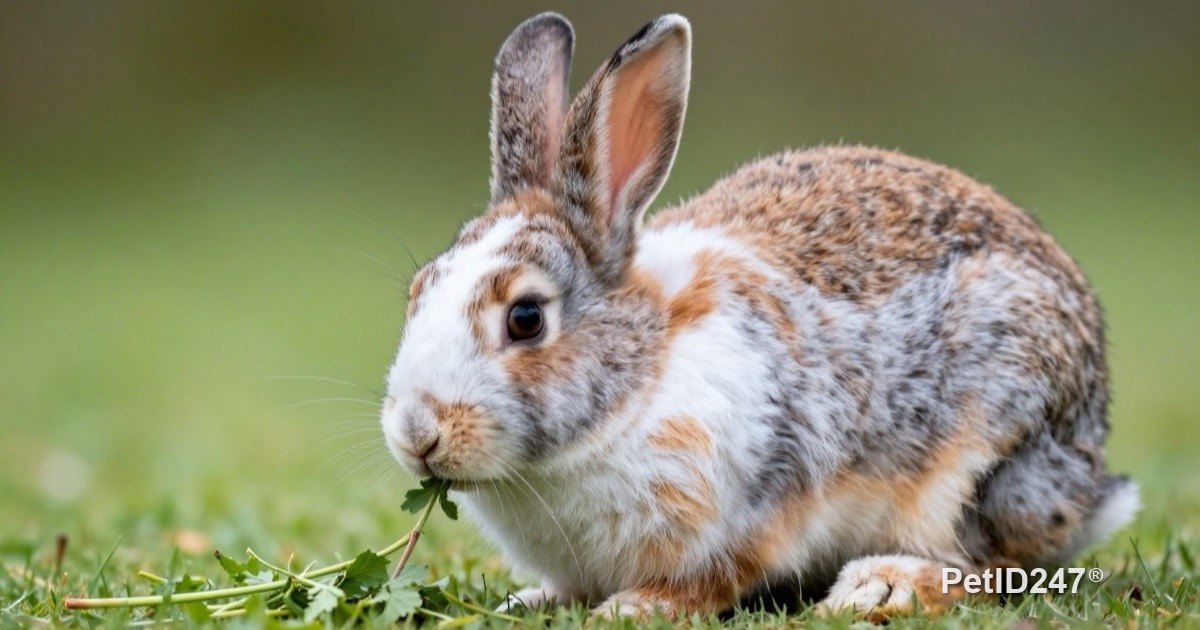
AI-generated illustration
Hamsters, guinea pigs and rabbits are all cute, but not every species suits young children. Here is what parents should weigh before buying a small pet.
Many families choose a small animal as a child's first pet, thinking it will be low effort and suit a small home. In reality, each species has very different needs and temperaments, and none of them is a "toy" for children. This guide helps parents ask the right questions before deciding.
The first question: who will really do the care?
Children may be excited for the first few weeks, then get busy with school and lose interest. So decide from the start that an adult is the main caregiver. The child is a helper, learning to care for the animal under guidance.
Some questions parents should answer for themselves:
- Is the family ready to care for the animal for its whole lifespan? Hamsters usually live a few years; guinea pigs and rabbits can live much longer.
- Who will look after it when the family is away?
- Is anyone at home allergic to fur or hay dust?
- What is the budget for the enclosure, food, bedding and vet bills if it gets sick?
- Is there a veterinarian nearby who treats small mammals?
Traits of popular small pets
Hamsters
Hamsters are compact and their cages don't take up much room. But they are mainly active at night and sleep during the day. If woken or handled clumsily, a hamster may bite. Hamsters are also small and fast, and easily fall when a child holds them. They suit older children who are patient enough to watch rather than cuddle.
Guinea pigs
Guinea pigs are active during the day, gentle, rarely bite and love to squeak when they see their owners. They are social animals and should usually be kept in at least a same-sex pair. Guinea pigs need a roomy enclosure, unlimited hay and fresh vitamin C-rich vegetables every day. Many families find them an approachable choice for children, though adult supervision is still needed.
Rabbits
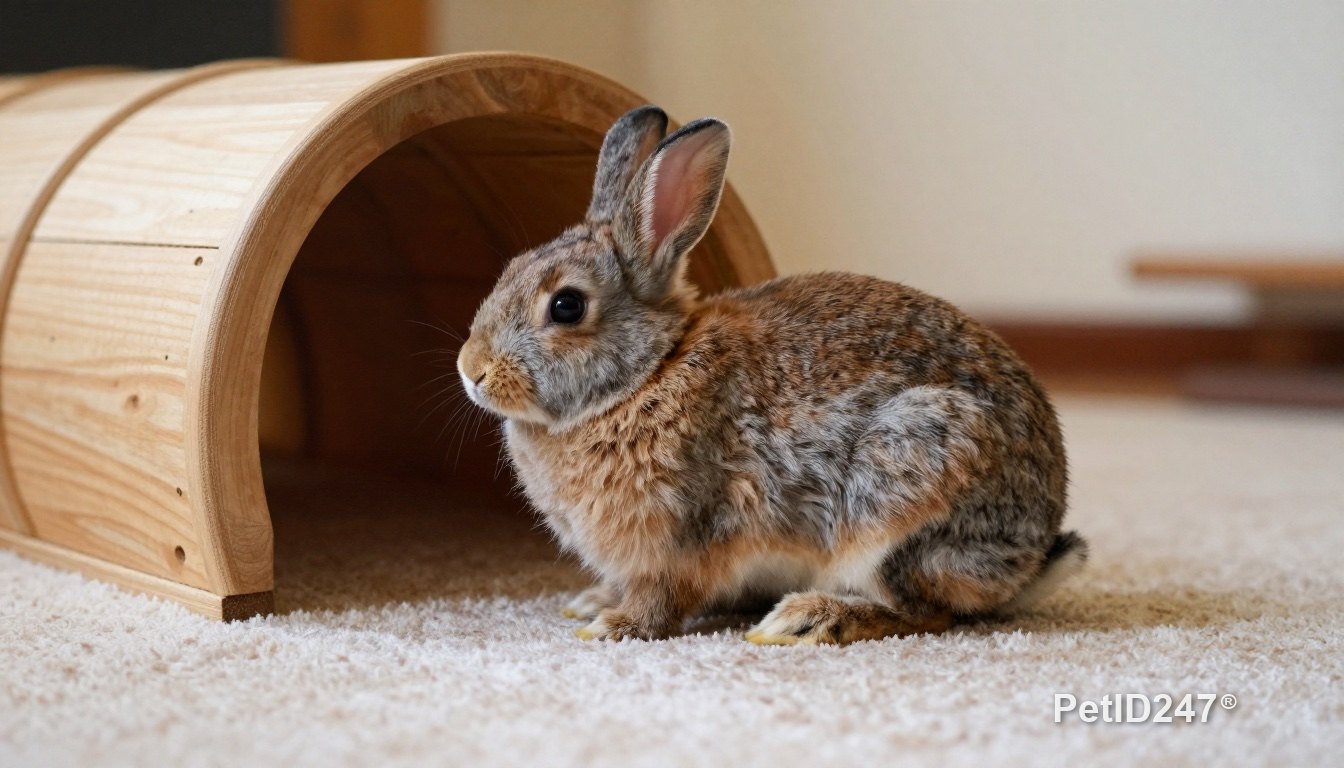
Rabbits are intelligent, can live long and form strong bonds, but many don't like being picked up. A rabbit's spine is fragile, and if it kicks hard while being held incorrectly it can be seriously injured. Rabbits need plenty of space to run and hop and quite a lot of care. They suit families willing to sit on the floor and play rather than children who want to cuddle and carry.
Pet mice and rats
Some families choose pet mice or rats because they are smart and easy to train. However, they have short lifespans, need knowledgeable care and should be kept in same-sex groups. Research carefully before choosing.
Teaching children to handle pets safely
Whatever species you choose, these principles keep both children and animals safe:
- Sit on the floor when holding a pet: if the animal wriggles, it only has a short distance to fall.
- Support the whole body: one hand under the chest, one under the rump; never lift by the ears, scruff or tail.
- Speak softly and move slowly: small pets are prey animals and frighten easily.
- Respect sleep time: don't wake the animal to play.
- Wash hands: before and after handling and cleaning the enclosure. Small pets can carry bacteria even when they look healthy.
- No kissing, and keep pets away from the face, especially with very young children.
For children under about five, the safest approach is to let them stroke the animal only while an adult is holding it.
Preparing before the pet comes home
- Research the species thoroughly, and read and talk about its needs together with your child.
- Buy the enclosure, bedding and food and set everything up before the pet arrives.
- Choose a quiet spot for the enclosure, away from sun, drafts and the reach of any dogs or cats in the home.
- Make a simple, age-appropriate chore chart for your child: refreshing water, adding hay, noting what the pet eats.
- Choose a trustworthy source with healthy animals, or consider adopting from a rescue group.
- Take the pet for a general checkup after bringing it home.
Summary
Small pets can teach children responsibility and gentleness, but only when an adult takes the main responsibility and chooses a species that fits the child's age and personality as well as the family's lifestyle. Guinea pigs, which are active by day and gentle, are often easier for children to approach. Hamsters suit older children who can watch patiently. Rabbits need more space and time. Whatever you choose, teach your child to handle the animal gently, wash hands often and always have an adult supervising.
This article was prepared with the help of artificial intelligence tools and reviewed by the PetID247 editorial team before publication. It is for reference only and does not replace an examination by a veterinarian.