Puppy Vaccination Schedule: Key Age Milestones

AI-generated illustration
Puppies need a series of vaccinations in their first months. Learn the common age milestones and what to do before, during and after each vet visit.
Vaccination is the simplest and most effective way to protect your puppy from serious diseases, some of which can kill very quickly. Many first-time owners feel confused by the number of shots and dates involved. This guide explains why puppies need several rounds of vaccines and the typical age milestones, so you can have an informed conversation with your veterinarian.
What vaccines do and which diseases they prevent
Why puppies need several shots
At birth, puppies receive some antibodies from their mother's first milk (colostrum). These antibodies protect the puppy for the first few weeks, then gradually fade. The catch is that maternal antibodies can also stop a vaccine from working if it is given too early, and nobody knows exactly when an individual puppy's maternal antibodies will run out.
That is why veterinarians usually give a series of boosters a few weeks apart, to make sure at least one dose lands at a time when the puppy's own immune system can respond. Stopping the series halfway means your puppy may not be fully protected.
Diseases commonly vaccinated against
Dog vaccines are usually divided into two groups. Core vaccines are recommended for almost every dog. Non-core (optional) vaccines are considered based on where and how each dog lives.
- Canine distemper: a viral disease that affects the respiratory, digestive and nervous systems, with a high death rate.
- Parvovirus: causes vomiting, bloody diarrhea and very rapid dehydration, and is especially dangerous for puppies.
- Infectious canine hepatitis: caused by adenovirus, it affects the liver and several other organs.
- Rabies: transmissible to people and almost always fatal once symptoms appear. In many places this vaccine is required by law.
- Other diseases such as Leptospira (spread through rat urine and contaminated water, and transmissible to people), kennel cough and parainfluenza. Your veterinarian will advise whether your dog needs these.
Common vaccination age milestones
The milestones below follow common recommendations and are for reference only. Your dog's actual schedule is decided by your veterinarian, based on age, health, the mother's vaccination history and the disease situation where you live.
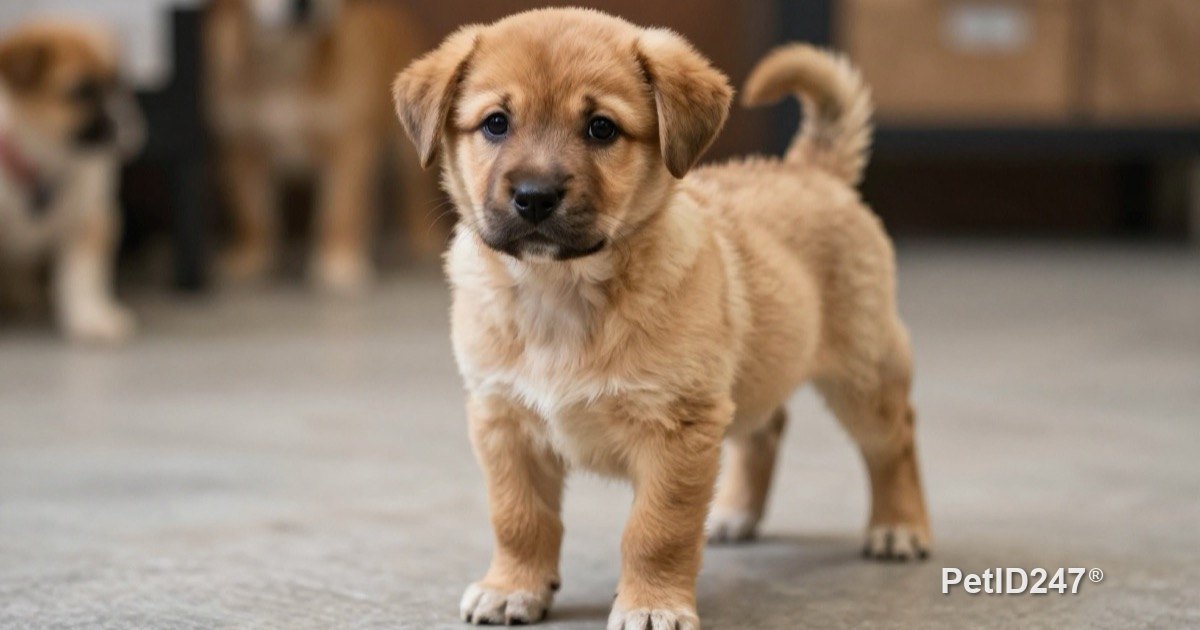
- Around 6–8 weeks old: the first dose of the core vaccines.
- Boosters every few weeks: continuing until the puppy is around 16 weeks old or slightly older, as your vet advises.
- Rabies: the first dose is usually given from around 3 months of age, then repeated according to local rules and your veterinarian's advice.
- Booster after the initial series: usually somewhere around 6–12 months of age.
- Adulthood: regular boosters; how often depends on the type of vaccine, and your veterinarian will tell you when each one is due.
If you adopt a dog with an unknown vaccination history, bring any paperwork you have and let your veterinarian restart the schedule if needed.

What to watch for before and after vaccination
Before the vaccination
- Only vaccinate a healthy puppy: eating normally, with no fever, diarrhea or vomiting.
- Tell your veterinarian if the puppy has just come home, recently moved, or has reacted to a vaccine before.
- Ask your veterinarian whether deworming is needed before vaccination, and when.
After the vaccination
- Your puppy may be a little tired, eat less or have mild soreness at the injection site for a day or two. This is usually a normal reaction.
- Let your puppy rest and avoid strenuous activity on the day of the vaccination.
- Many veterinarians advise against bathing right after a vaccination. Ask for specific advice at your visit.
- If possible, stay at the clinic for a little while afterward so any early reaction can be spotted.
Keeping your puppy safe before vaccinations are complete
Until the initial series is finished, your puppy can still catch these diseases. You don't need to keep your puppy shut indoors, because this is also the age when puppies need to get used to new sounds, people and surroundings. Just be more careful:
- Don't put your puppy down in parks, shared lawns or sidewalks where many unfamiliar dogs pass.
- Only let your puppy play with healthy, fully vaccinated dogs.
- You can carry your puppy outside to experience traffic and crowds without letting its paws touch the ground.
- Wash your hands and change your shoes after handling unfamiliar dogs, before picking up your puppy.
Keep your dog's vaccination record safe. You will need it for boarding, travel, or if local authorities ask to see it.
When to see a vet
Contact your veterinarian right away if your puppy shows any of these signs after a vaccination:
- Swelling of the face or around the eyes, hives, or intense itching.
- Repeated vomiting, diarrhea, difficulty breathing, collapse or fainting.
- An injection site that becomes very swollen, hot or increasingly painful, or a lump that is still there after a few weeks.
- Tiredness and loss of appetite lasting more than two days.
Also, if a puppy that is not fully vaccinated starts vomiting, has diarrhea, a fever, a runny nose or a cough, don't try to treat it at home. See a vet early, because many infectious diseases in puppies progress very quickly.
This article was prepared with the help of artificial intelligence tools and reviewed by the PetID247 editorial team before publication. It is for reference only and does not replace an examination by a veterinarian.