Pregnant Dog Care: From Mating to Whelping

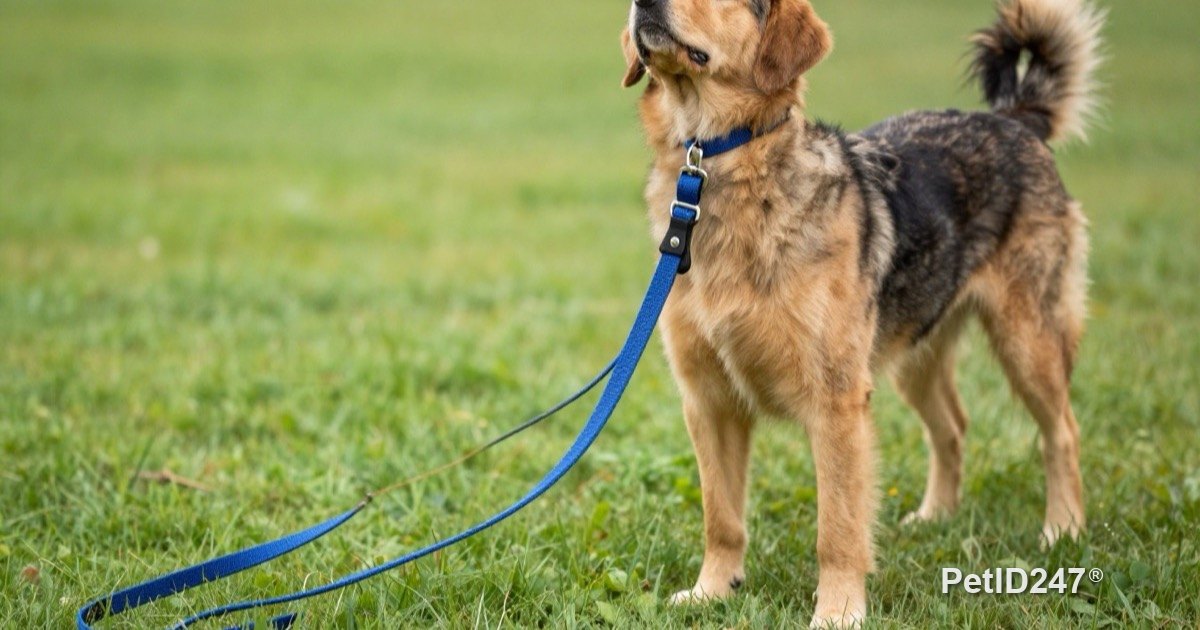
AI-generated illustration
A pregnant dog needs the right diet, exercise and a calm place to give birth. Learn the signs of pregnancy, care at each stage and how to prepare for whelping.
Dogs are pregnant for about 9 weeks on average, or roughly two months. During this time, the mother needs the right food, moderate exercise and a quiet place to give birth. Good care from early on helps keep her healthy and gives the puppies a good start.
Signs your dog is pregnant
In the first few weeks, a pregnant dog shows almost no obvious signs. Gradually you may notice:
- A short period of poor appetite or mild sluggishness early on.
- Larger, pinker nipples after a few weeks.
- A growing belly, most noticeable in the second half of pregnancy.
- Personality changes: more clingy, or preferring to be alone.
Some females that are not pregnant still show pregnancy-like signs after a heat cycle, known as false pregnancy. The surest way to know is a vet visit. Your veterinarian can confirm pregnancy by ultrasound, palpation, or an X-ray late in pregnancy to estimate the number of puppies, which helps you know whether she has finished giving birth.
Diet and exercise during pregnancy
Nutrition
- First half of pregnancy: usually no big increase in food is needed. Feed a good-quality, balanced diet as usual and keep her at a healthy weight.
- Roughly the last third: energy needs rise clearly. Vets often recommend gradually switching to a puppy food or a diet for pregnant dogs, fed as several small meals, because a large belly makes it hard to eat much at once.
- Fresh water should always be available.
Don't add calcium or vitamin supplements on your own during pregnancy. The wrong supplements can do harm, including raising the risk of low blood calcium after birth. Any supplement, dewormer or flea and tick product for a pregnant dog should only be used as directed by your veterinarian.
Exercise
- Keep up gentle daily walks so she stays fit and strong.
- Avoid hard running, rough play and lots of stair climbing late in pregnancy.
- Limit contact with unfamiliar dogs to reduce the risk of infection.
Preparing the whelping area
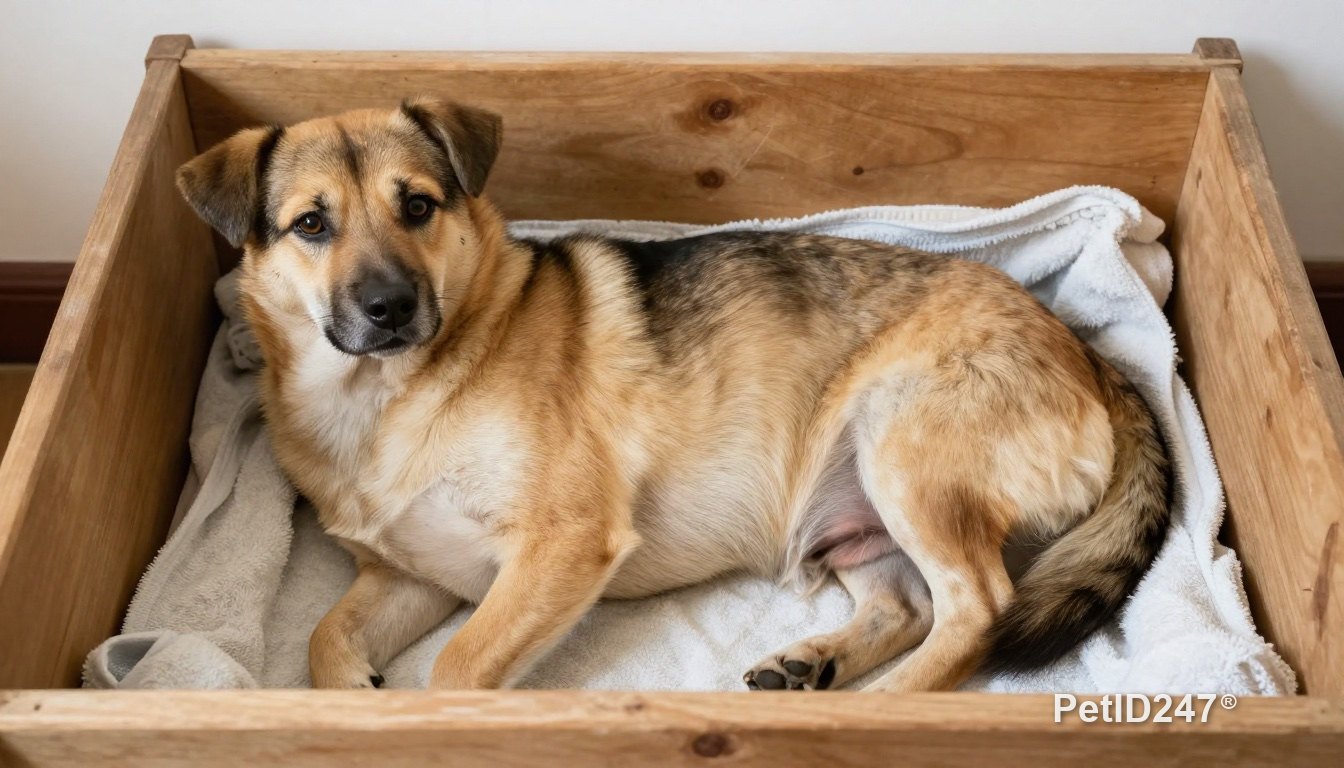
About two weeks before the due date, set up a whelping box so the mother can get used to it:
- A box or pen large enough for her to stretch out and turn around, with sides high enough to keep puppies in but low enough for her to step in and out easily.
- Place it in a quiet, warm corner, away from drafts and foot traffic.
- Line it with towels, old blankets or pads that are easy to change and wash.
- Have clean towels, rubbish bags, a notebook to record each puppy's birth time, and your vet's phone number ready, including an after-hours number.
Signs of labor and the birth
As birth approaches, the mother usually becomes restless, digs at her bed, pants, stops eating and may shiver. Her body temperature often drops slightly before labor begins, so some owners take her temperature daily in the final week, as advised by their veterinarian.
Most dogs give birth without help. Stay nearby to watch, keep things calm and don't interfere while everything is going normally. The mother usually tears open the sac, licks the puppy to get it breathing and chews through the umbilical cord. Write down when each puppy arrives and count the placentas if you can.
When to see a vet
Call your veterinarian right away if you see any of these signs (time frames are a guide only):
- She strains hard continuously for about 30 minutes without producing a puppy.
- One or more puppies have been born, but more than about 2 hours pass with no further puppy while you know there are more inside.
- Dark green or black discharge appears before the first puppy is born, or there is heavy bleeding.
- She is past her due date with no signs of labor.
- She becomes very weak, trembles, has seizures, has a fever or seems to be in severe pain.
- During pregnancy, she refuses food for a long time, vomits a lot or has unusual vaginal discharge.
Take her for at least one checkup during pregnancy so your veterinarian can assess her health and help you plan for the birth.
This article was prepared with the help of artificial intelligence tools and reviewed by the PetID247 editorial team before publication. It is for reference only and does not replace an examination by a veterinarian.