Overweight Dogs: How to Spot It and Lose Weight Safely
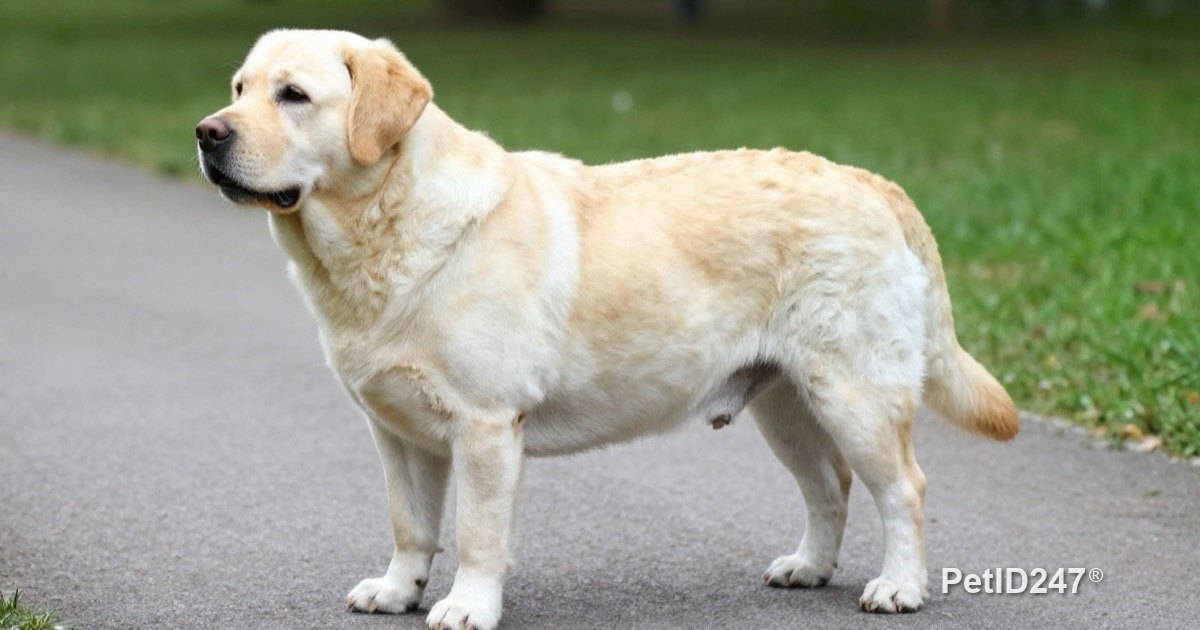
AI-generated illustration
Overweight dogs are more prone to joint disease, heart strain and diabetes. Learn to check your dog's body condition at home and help it slim down slowly and safely.
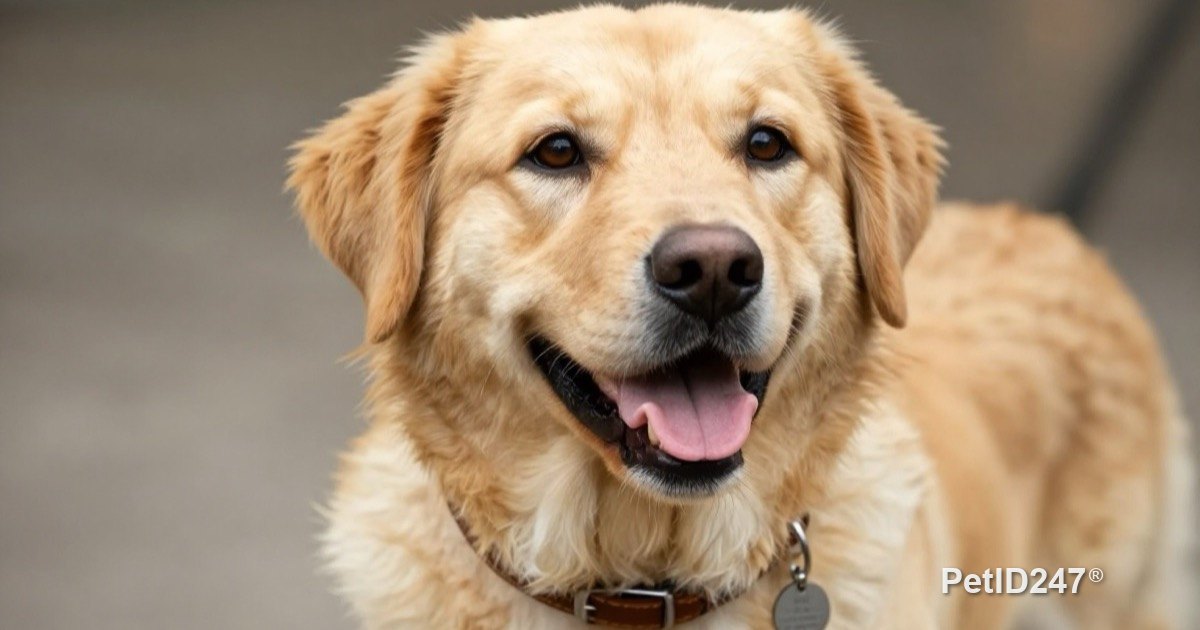
A round, chubby dog looks adorable, and many people think a plump dog is a healthy dog. In fact, excess weight is one of the most common health problems in pet dogs. The good news is that you can spot it early and help your dog get back to a healthy weight at home.
Why excess weight is dangerous for dogs
Extra fat doesn't just slow a dog down. It puts extra strain on many parts of the body:
- Joints and bones: joints carry more load and are more likely to degenerate and become painful, especially in older and large-breed dogs.
- Heart and breathing: overweight dogs tire quickly, breathe harder and are more prone to heatstroke in hot, humid weather.
- Metabolic disease: a higher risk of diabetes and some other conditions.
- Skin and coat: thick skin folds trap heat and moisture and can become inflamed; the dog also struggles to groom itself.
- Anesthesia and surgery: carry higher risk in very overweight dogs.
Dogs kept at a healthy weight usually move more comfortably and enjoy a better quality of life as they age.
How to check if your dog is overweight
Ideal weight varies a great deal between breeds and individual dogs, so look and feel rather than relying on a number. Veterinarians often use a body condition score, and you can do a simple three-step check yourself:
- Feel the ribs: place both hands on either side of your dog's chest and stroke gently. In a dog at a healthy weight, you can feel the ribs easily under a thin layer of fat, similar to feeling the back of your hand. If you have to press hard to find them, your dog is overweight.
- Look from above: a dog at a healthy weight has a clear waist behind the ribs. A straight, tube-like body or one that bulges at the sides is a sign of excess weight.
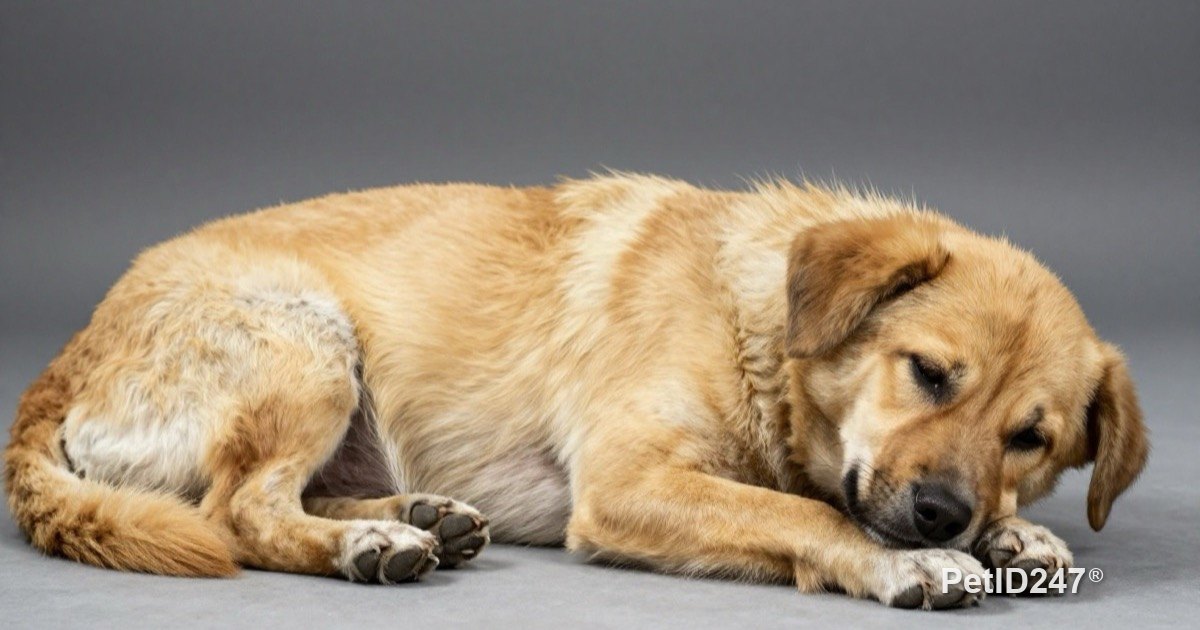
- Look from the side: the belly should tuck up toward the hind legs. A sagging belly level with the chest means extra fat.
Other signs include panting after short walks, reluctance to climb stairs, and fat pads at the base of the tail and around the neck. If your dog has gained or lost weight quickly for no clear reason, see a vet before making changes yourself.
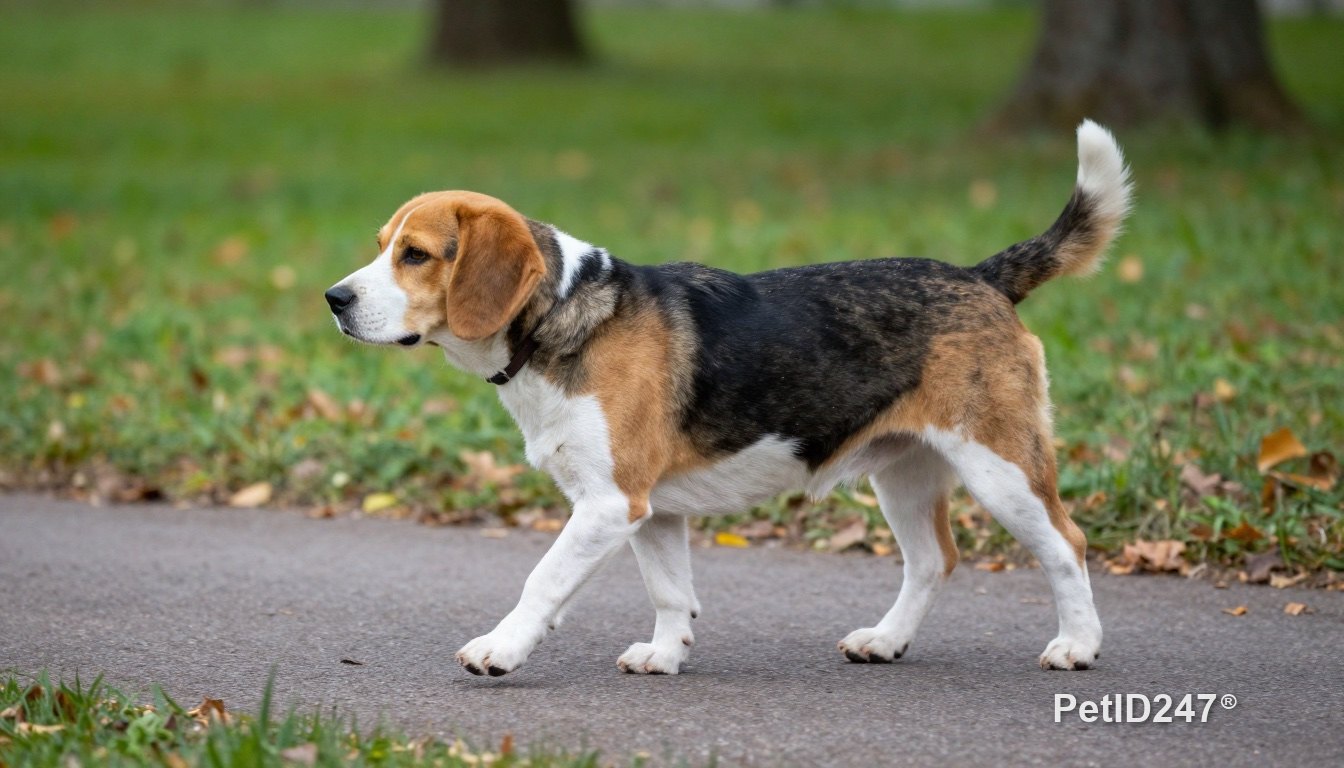
Safe weight loss for dogs
See a vet before you start
Some conditions, such as hypothyroidism, can cause weight gain. Your veterinarian will check your dog's health and estimate a target weight and a suitable amount of food. Weight loss should be gradual; a commonly used guide is roughly 1–2% of body weight per week. Losing weight too fast or suddenly cutting out meals can be harmful.
Adjust the diet
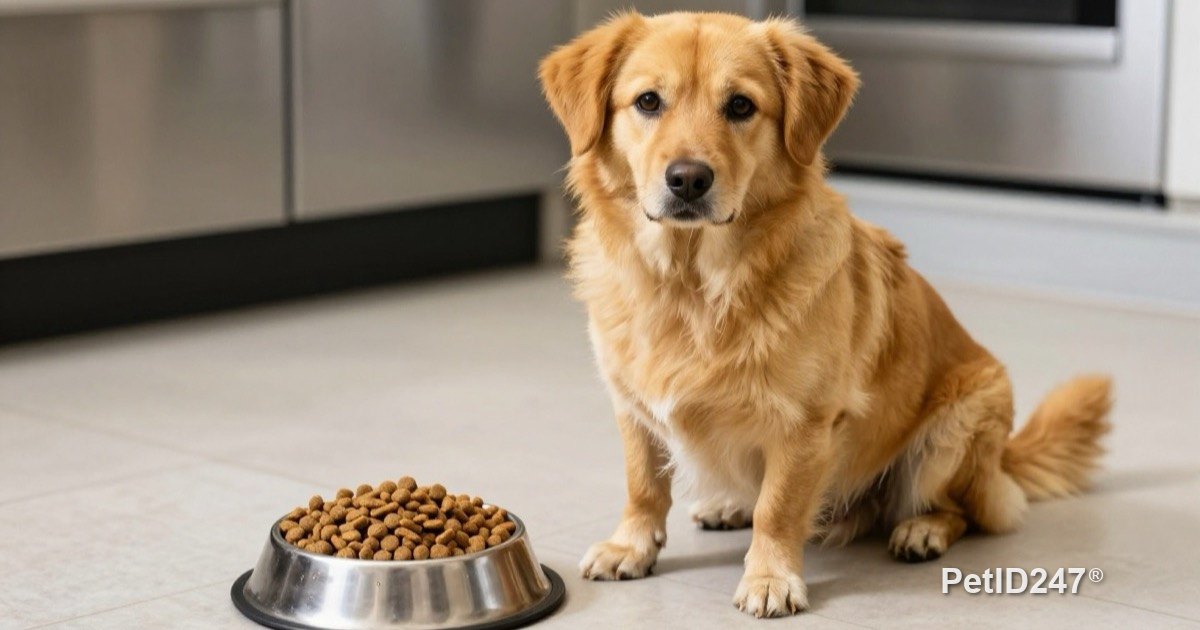
- Measure food with a scale or measuring cup rather than pouring by eye. Small daily errors add up.
- Count the treats: biscuits and table scraps all contain calories. Treats should make up only a very small part of the daily diet.
- Swap the treats: use kibble taken from the daily ration, or safe vegetables such as small pieces of cucumber or carrot.
- Split into several small meals: this helps your dog feel less hungry and beg less.
- Ask about weight-management food: your veterinarian may suggest a suitable option.
- Get the whole family on board: one person sneaking food is enough to sink the plan.
Increase exercise gradually
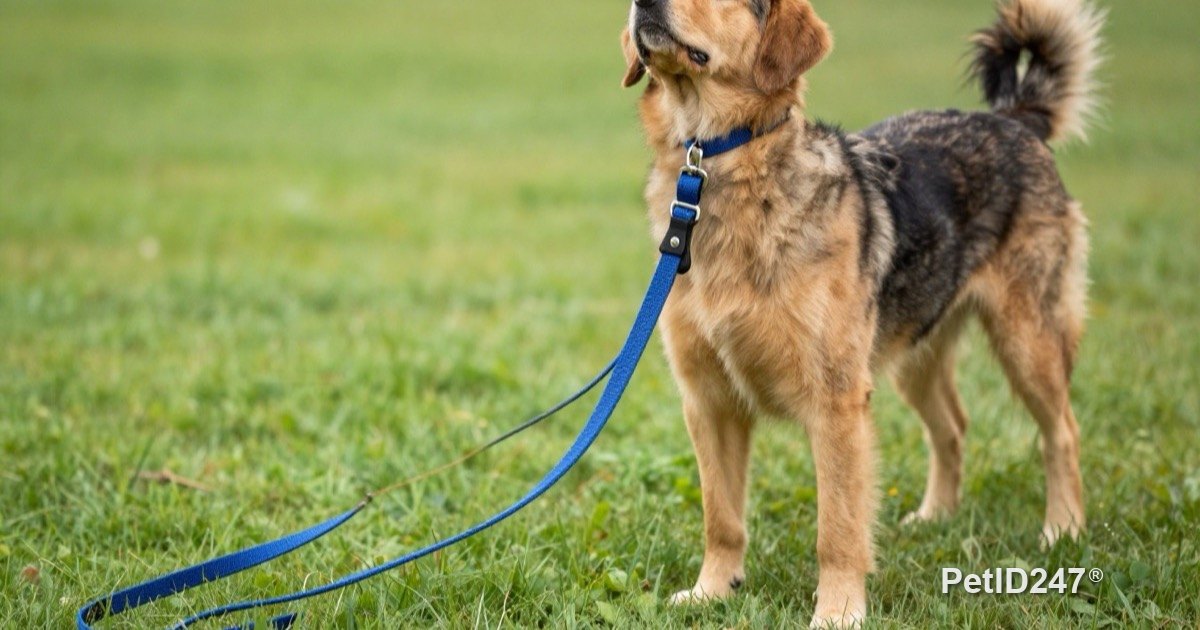
- Lengthen walks step by step; don't push an overweight dog to run a lot from day one.
- Walk early in the morning or in the cool of the evening, and bring water.
- Add gentle games: short fetch, sniffing games, treat-dispensing toys so your dog moves while it eats.
- Dogs with joint or heart disease should have their safe exercise level set by a veterinarian; swimming or slow walks are usually easier on the joints.
Monitor and maintain
Weigh your dog roughly every 2–4 weeks and record its weight and food intake. Take photos from above and from the side to compare. If the weight hasn't dropped after a few weeks, go back to your veterinarian to adjust the plan. Once your dog reaches its target, the food amount usually needs to be adjusted again to maintain weight, rather than returning to old habits.
Neutering, age and activity level all change a dog's energy needs. Review the diet whenever your dog enters a new life stage.
When to see a vet
- Your dog gains weight quickly without eating more.
- Weight gain comes with drinking and urinating more, symmetrical hair loss, thickened darker skin or unusual tiredness.
- Your dog has trouble breathing, coughs or is exhausted after light exercise.
- Limping, reluctance to get up, or pain when climbing stairs.
- Rapid weight loss or refusing food during a weight-loss plan.
Any medicine or supplement for weight loss or joint support should only be used as directed by your veterinarian.
This article was prepared with the help of artificial intelligence tools and reviewed by the PetID247 editorial team before publication. It is for reference only and does not replace an examination by a veterinarian.