Overgrown Nails and Beaks in Birds: When to See a Vet
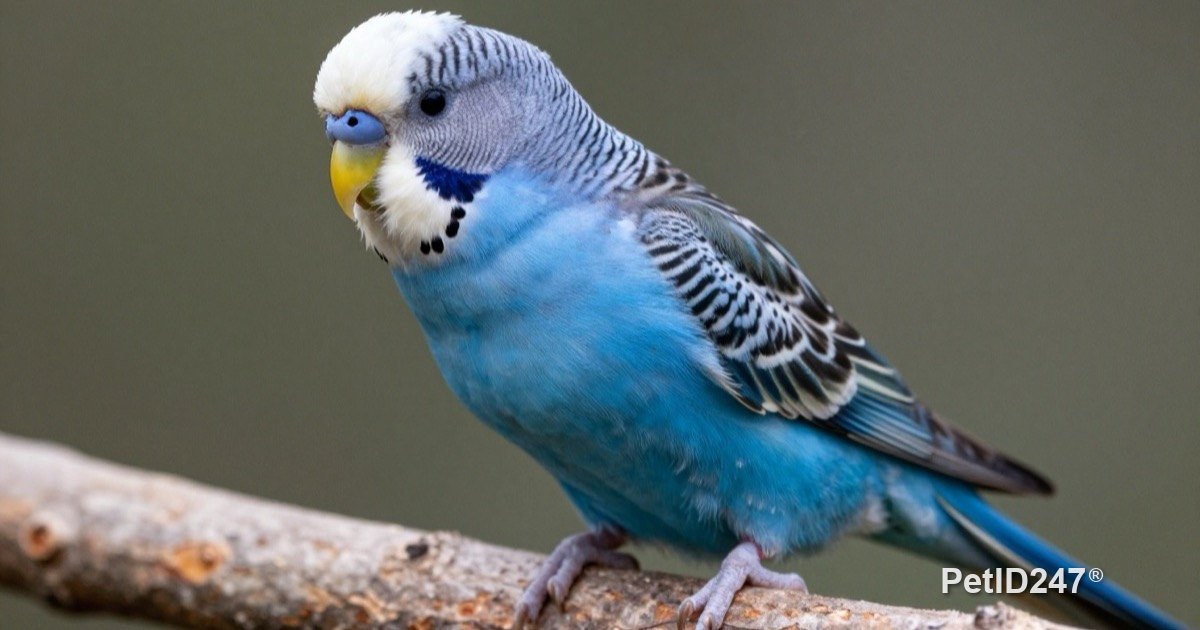
AI-generated illustration
Long nails can be trimmed carefully, but an overgrown or crooked beak is usually a sign of an underlying problem. Learn the causes and when your bird needs a veterinarian.
In a healthy bird, nails and beak grow continuously but wear down naturally through perching, climbing, chewing and beak wiping. When nails or the beak become abnormally long, something isn't right: sometimes it's just unsuitable perches, sometimes liver disease, poor nutrition or parasites. With the beak in particular, don't just trim it and ignore the cause.
Overgrown nails
Common causes
- Smooth perches of a single size with no natural surface to wear nails down.
- Too little exercise and climbing.
- Older or overweight birds.
- Some liver and nutritional diseases can make nails grow fast, curl and break easily.
Signs nails are too long
- Nails curl into loops, and your bird struggles to grip perches or slips.
- Nails snag on fabric, toys or cage wire.
- Your bird stands unsteadily, or its toes twist.
Trimming nails at home: only if you're confident
Inside a bird's nail are blood vessels and nerves. Cutting too far causes bleeding and pain. If you've never done it, ask your veterinarian to show you the first time. When you do it yourself:
- Have small-bird nail clippers, a thin towel to hold your bird and a pet styptic powder as advised by your vet ready.
- Work in good light with a second person gently holding the bird. Don't press on the chest, since birds breathe by moving the chest.
- Trim only a little from the tip at a time. On light-colored nails, if you can see the pink part inside, stop well short of it.
- If a nail bleeds, press styptic powder onto the tip. If bleeding doesn't stop within a few minutes, see a vet immediately; even small blood loss is dangerous for a small bird.
Replacing some perches with natural wood branches of varied sizes often helps nails wear down on their own, so you need to trim less often.
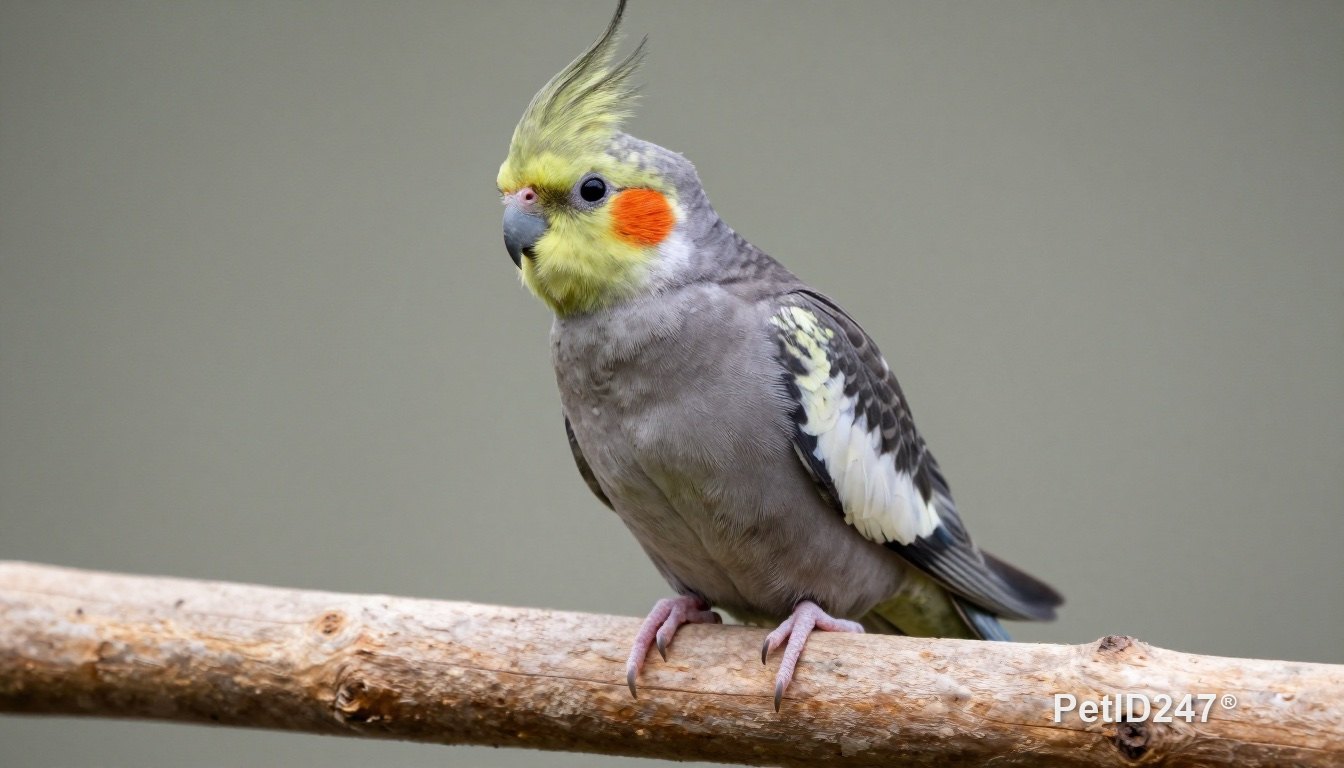
An overgrown or crooked beak
The beak is living tissue with blood vessels and nerves, constantly growing and wearing away. A healthy beak is smooth and symmetrical, with both halves meeting properly. An abnormally long beak almost always has an underlying cause:
- Liver disease: the beak grows fast and long, flakes easily and may show black spots or bleeding within it.
- Scaly face mites, common in budgerigars: white-gray, coral- or honeycomb-like crusts at the base of the beak, around the eyes and on the legs. The beak can become deformed if left untreated.
- Injury: a knock or a bite from another bird that changes the direction of growth.
- Birth defects or a misaligned beak, often seen in young birds.
- Poor nutrition: a seed-only diet lacking vitamins and minerals.
- Infections or tumors of the beak or face.
- Nothing to chew, so the beak doesn't wear naturally.
Why you shouldn't trim a beak at home
- The beak contains blood vessels and nerves; a wrong cut causes bleeding and pain and can make your bird stop eating.
- Pliers or scissors can easily split or crack the beak.
- Trimming without treating the cause means the beak grows back long, and the illness may worsen.
- A veterinarian trims and reshapes the beak with proper tools and looks for the root cause, which may need blood tests.
Preventing nail and beak problems
- Natural wood perches of various sizes with an uneven surface.
- Safe toys to chew and shred; an unflavored mineral block can be added.
- A varied diet, not just seeds: suitable pellets, leafy greens and a little fruit as appropriate for the species. See our article on what pet birds eat.
- Safe time out of the cage for exercise every day.
- Regular checkups with an avian veterinarian.
- Use any mite treatment or liver supplement only as directed by your veterinarian, and read the product label carefully.
When to see a vet
- The beak is long, curved, crooked or the halves don't meet; the beak is flaking, cracked or has black or blood spots.
- White-gray crusts at the base of the beak, around the eyes or on the legs.
- A nail bleeds and won't stop, or breaks near the base.
- Your bird has trouble eating, drops food, loses weight or has a scruffy look.
- Nails grow unusually fast even with suitable perches.
This article was prepared with the help of artificial intelligence tools and reviewed by the PetID247 editorial team before publication. It is for reference only and does not replace an examination by a veterinarian. How we write our articles