Lost Pet Bird: How to Prevent Escapes and Find It
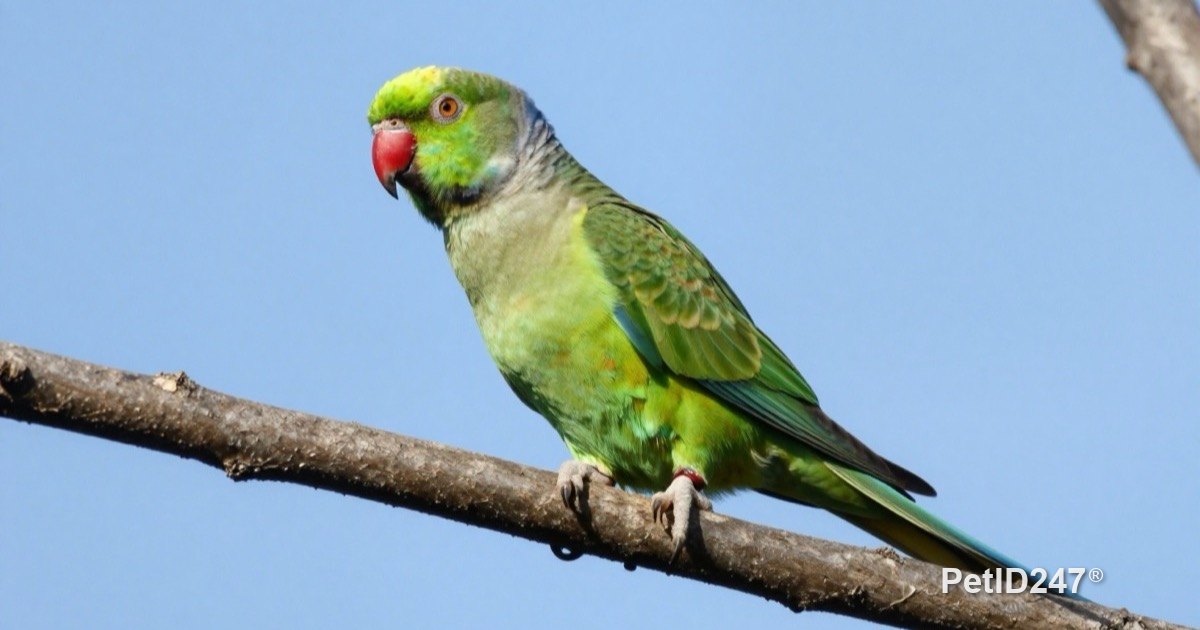
AI-generated illustration
Escaped pet birds are a common mishap, and the first hour matters most. Learn how to prevent escapes, steps to find your bird and how to care for it once home.
One careless second, an unlatched cage or an unscreened window is all it takes for a pet bird to fly away. Indoor birds are usually not used to the outdoors, panic easily, can be attacked by birds of prey and may struggle to find food. This guide helps you prevent escapes and know what to do if the worst happens.
Common ways birds escape
- A cage door without a latch that the bird opens with its beak.
- Doors, windows or balcony doors left open while the bird is flying indoors.
- Taking a bird outside on your shoulder, where a sudden noise startles it into flight.
- A cage that tips over or comes apart during cleaning or transport.
- Torn window screens or gaps the owner hasn't noticed.
How to prevent escapes
Indoors
- Fit a secure latch or clip on the cage door, especially for parrots that can open doors.
- Check doors before letting your bird out: close all windows, front doors and balcony doors. Hang a small sign to remind everyone at home when the bird is out of its cage.
- Screen your windows and check regularly for tears.
- Create a "buffer zone": if possible, let your bird out in a room with two doors, closing the inner one before opening the outer one.
Training
- Recall training: teach your bird to fly to your hand when it hears its name or a special whistle, with a treat as a reward. This skill is invaluable if your bird ever gets outside.
- Get your bird used to a travel carrier: so that when you find it, you can get it into the carrier easily.
- Controlled time outdoors: only take your bird outside in a cage or on a purpose-made harness it has gradually been trained to accept. Don't carry a bird outside on your shoulder.
Prepare identification
- Take clear photos of your bird from several angles and note distinctive features such as feather colors, markings and words it says.
- Keep a record of the leg band information if your bird has one.
- Ask an avian veterinarian about microchipping, which is suitable for some larger bird species.
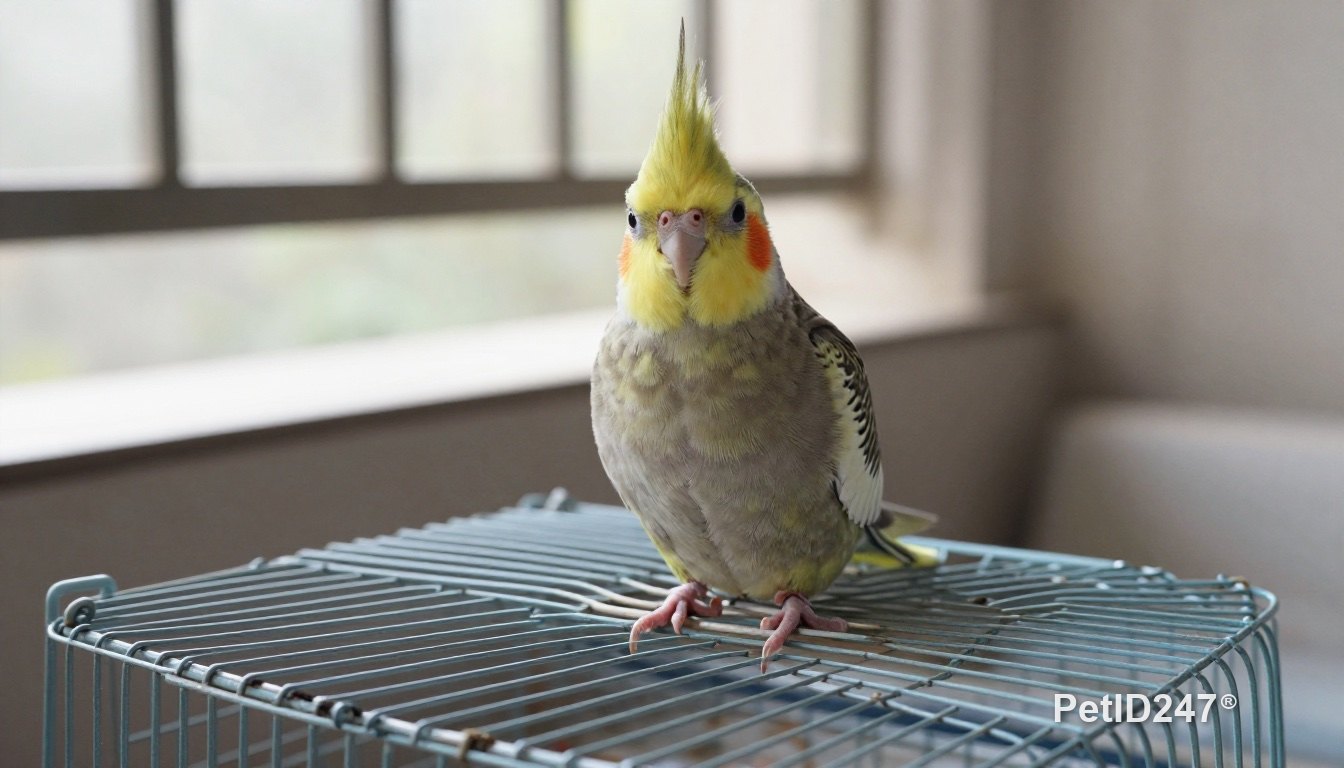
If your bird has flown away: act now
The first hour is critical. The bird usually hasn't flown far and is still frightened.
- Keep your eyes on the direction it flew for as long as possible. Birds often land in nearby trees or on rooftops.
- Bring the cage and your bird's favorite food close to where it is perched. Place the cage where the bird can see it, with the door open.
- Call in a familiar voice, calmly, without shouting. You can also play a recording of your bird's own calls or those of its cage mate.
- Don't chase it or throw things to make it come down. The bird will panic and fly farther.
- Wait patiently for it to come down. Many birds need time to work up the courage to fly down from a height. Stand lower than the bird and hold out your hand or a perch stick.
- Dawn and dusk are when birds tend to call and move around most. These are good times to search.
If you haven't found it by the end of the day
- Place a cage with food and water on your balcony, yard or another spot the bird knows, and check it often.
- Tell neighbors, building security and gardeners nearby.
- Put up notices with a photo and your phone number around the area. Don't list every feature; keep one detail back to verify anyone who says they've found your bird.
- Post on bird-keeping community groups and local resident groups.
- Contact nearby veterinary practices and bird shops in case someone brings your bird in.
Care after your bird comes home
Your bird may be hungry, thirsty, dehydrated or have minor injuries that are hard to see. Let it rest in a quiet room with fresh water and familiar food. Watch its eating and droppings for a few days. Take it to an avian veterinarian for a general checkup, especially if it spent a night outside, has wounds, or is fluffed up and lethargic.
Summary
Prevention is still the best approach: latch the cage door, close windows before letting your bird out, fit screens, practice recall and never carry your bird outdoors on your shoulder. If your bird escapes, act within the first hour: bring the cage and favorite food close, call calmly, don't chase, then alert neighbors and the community. Once your bird is home, let it rest and have its health checked.
This article was prepared with the help of artificial intelligence tools and reviewed by the PetID247 editorial team before publication. It is for reference only and does not replace an examination by a veterinarian.