Keeping Pet Birds Warm in Cold Weather
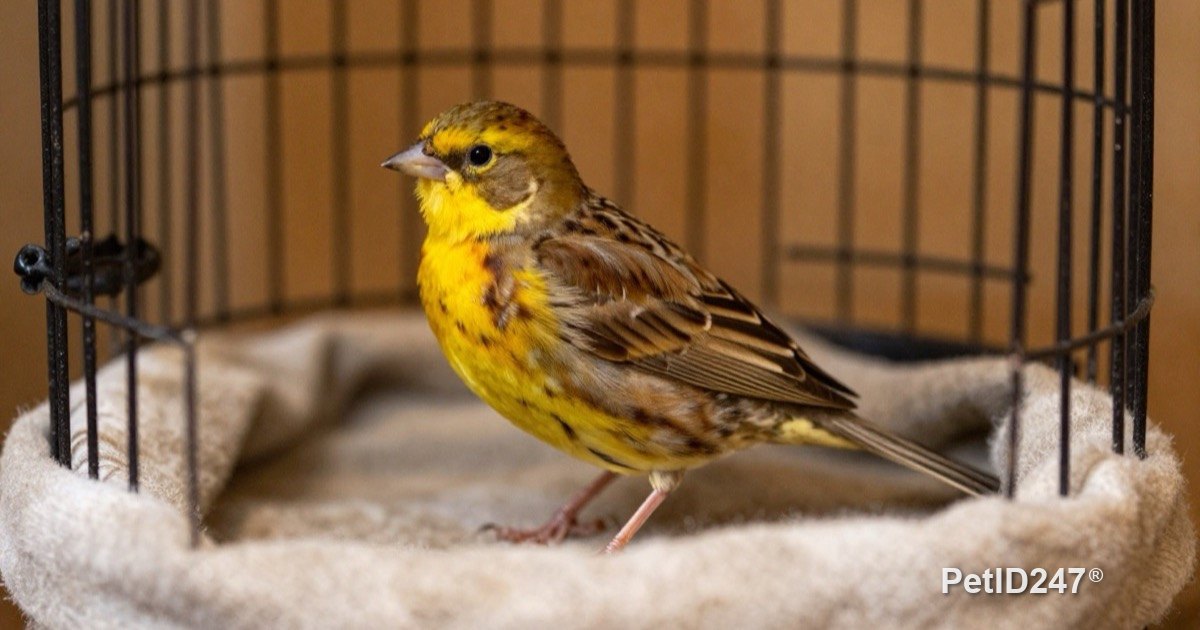
AI-generated illustration
Cold winds, drizzle and sudden temperature swings can make pet birds ill. Learn where to place the cage, how to cover it, heat safely and spot a chilled bird.
Many popular pet bird species come from warm climates. When cold fronts arrive, temperatures drop sharply at night and swing widely between day and night, and birds can easily get chilled, tired and develop respiratory illness. Keeping them warm isn't hard, but it must be done carefully so you don't create new dangers. This guide helps you prepare your bird for the cold season.
How birds cope with cold
Birds keep warm by fluffing their feathers to trap an insulating layer of air, tucking one leg into the belly and burying the head in the back feathers. A healthy, well-fed bird usually copes with cool weather if changes happen gradually and there are no drafts. The bigger dangers are:
- Drafts blowing directly onto the cage.
- Sudden temperature changes, such as moving from a heated room to a cold balcony.
- Cold combined with high humidity, like long spells of drizzle.
- Birds that are ill, old, very young or molting, as they hold heat less well.
Signs your bird is cold
- Heavily fluffed feathers for long periods, even during the day.
- Standing on both legs tucked up, head buried, moving little.
- Shivering, eating less and singing or calling less.
Note: fluffed feathers and excessive sleeping are also general signs of illness in birds. If your bird stays like this after you have warmed it, don't ignore it.
Cage placement and covering
- Bring the cage indoors if it usually hangs on a balcony or porch. Move it gradually over a few days before the coldest weather.
- Place the cage in a warm, draft-free corner, away from windows, doors and airflow from fans or air conditioners.
- Don't place the cage directly on a cold tiled floor; raise it on a shelf or table of moderate height.
- Partly cover the cage at night: use a thick but breathable cloth over three sides and the top, leaving part open for airflow. Never wrap the cage in plastic.
- Add a shelter: for some small species, you can add a sleeping box or nest suited to the species. Ask an experienced keeper first, as for some species a nest can trigger breeding behavior.
Heating safely
In very cold weather you may need extra heat. Be especially careful, because many heating devices can be dangerous to birds.
- Never use charcoal, charcoal stoves or fuel-burning heaters in a closed room. The toxic gases they produce can kill birds and people.
- Be careful with devices that have non-stick coatings: some heaters, heat lamps and hair dryers with these coatings can release fumes toxic to birds when hot. Read the product information carefully before using one near birds.
- Bird heat lamps or heated panels: place them out of beak reach and heat only one side of the cage so the bird can choose a warmer or cooler spot. Keep power cords outside the cage.
- Room heaters: keep them well away from the cage, not pointed at the bird, and avoid making the room too dry or too hot.
- Use a thermometer beside the cage to check the real temperature and avoid overheating.
Signs of overheating include open-beak breathing, wings held away from the body and feathers pressed flat. If you see these, reduce the heat immediately.
Diet and daily routine in cold weather
- Enough energy: birds need extra energy to stay warm. Keep food bowls topped up with a varied, species-appropriate diet. Don't suddenly add lots of fatty seeds.
- Clean water: change it daily. Room-temperature water is fine.
- Bathe at midday on warm days: choose a sunny day and bathe early so feathers are fully dry before late afternoon. On very cold days you can skip baths.
- Daylight: let your bird enjoy natural light through a window during the warmer hours. Keep bedtime regular.
When to see a vet
Take your bird to an avian veterinarian if:
- It stays fluffed up and sleeps a lot even after being kept warm.
- It sneezes, has a runny nose, or swollen or crusty eyes.
- It wheezes, breathes with an open beak or bobs its tail with each breath.
- It stops eating, loses weight or sits on the cage floor.
- Its droppings are loose or change color for more than a short time.
On the way to the vet, keep your bird in a carrier covered against drafts and kept warm so it doesn't get any colder.
This article was prepared with the help of artificial intelligence tools and reviewed by the PetID247 editorial team before publication. It is for reference only and does not replace an examination by a veterinarian.