How to Clean a Bird Cage: Daily to Monthly
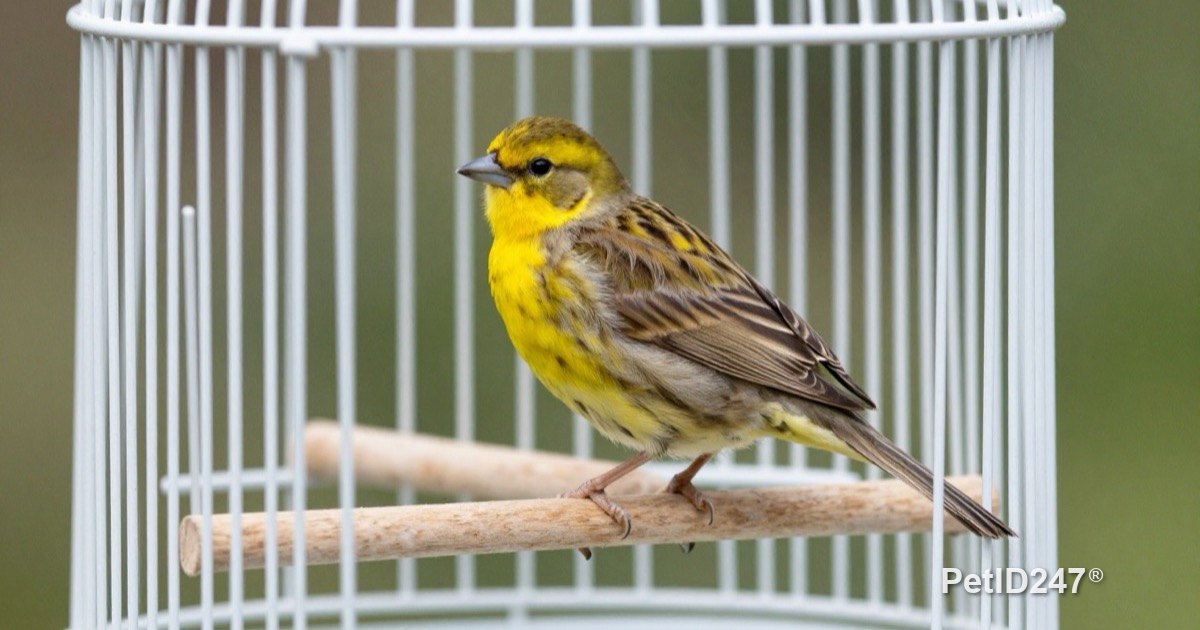
AI-generated illustration
A clean cage keeps pet birds healthier and helps you spot problems early through their droppings. Here is a cleaning routine and how to choose safe cleaners.
A dirty bird cage is a breeding ground for bacteria, mold and parasites. Dried droppings can also turn into airborne dust that affects the airways of both birds and people. Regular cleaning doesn't take long if you split it into daily, weekly and periodic deep-cleaning tasks. This guide walks you through each part.
Daily tasks
- Change the cage-floor liner: use plain unprinted paper, paper towels or purpose-made liners. Plain paper lets you see your bird's droppings clearly every day.
- Wash food and water dishes: empty them, wash with warm water and dry before refilling. Water bowls quickly develop a slimy film.
- Remove leftover fresh food: vegetables, fruit and soft foods left out for more than a few hours in hot weather can spoil.
- Blow off seed husks: many seed dishes look full but contain only empty husks.
- Check the droppings: this is the best time to notice their color, consistency and amount.
What normal bird droppings look like
A typical bird dropping has three parts: the fecal portion (its color changes with diet), a white portion of waste from the kidneys, and a little clear urine. Color and wetness can change slightly when a bird eats lots of vegetables or fruit, or when it is stressed. Pay attention to changes that last or are clearly abnormal.
Weekly tasks
- Wipe the cage bars and tray with a damp cloth and scrape off stuck-on droppings.
- Scrape and wash perches. Wooden perches must dry completely before going back in. Keeping two sets to rotate makes this easier.
- Check toys: wash them and discard any that are badly chewed or have frayed rope that could tangle a foot.
- Check stored dry food: throw it out if you find mold, weevils or an odd smell.
Don't forget the area around the cage. Birds often fling seed husks, food and feathers onto the floor, windowsills and into corners. Sweep or vacuum around the cage every week, wipe the stand or shelf it sits on, and wash the cage cover if you use one. An easy-to-wipe mat under the cage makes this much quicker. A clean area around the cage also helps avoid attracting ants, cockroaches and mice to spilled food.
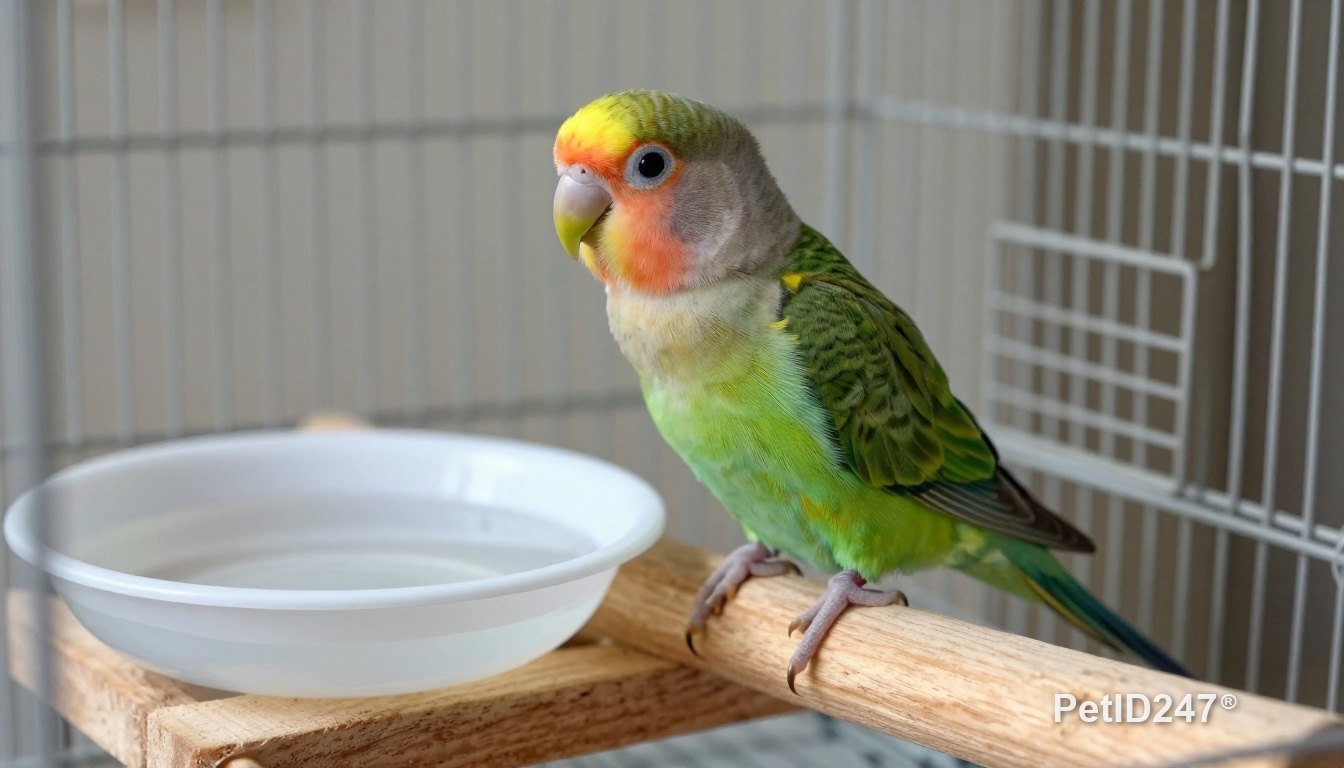
Periodic deep cleaning
About once a month, or more often if the cage gets dirty quickly, give the whole cage a deep clean.
- Move your bird to a spare cage in another well-ventilated room, away from where you are cleaning.
- Moisten dried droppings with water before scraping to reduce airborne dust.
- Take everything apart: tray, floor grate, dishes, perches and toys.
- Wash with warm water and mild dish soap, scrubbing corners and gaps between bars with a brush.
- Disinfect if needed: use only a suitable disinfectant and read the product label carefully for dilution and contact time. Ask your veterinarian if your bird has had an infectious disease.
- Rinse very thoroughly so no smell or chemical residue remains.
- Dry completely, ideally in the sun, before reassembling and returning your bird.
Cleaners to avoid
- Aerosol sprays, strongly scented cleaners and essential oils.
- Never mix cleaning products together, as some combinations release toxic gases.
- Don't use strong cleaners in a room where birds are kept. A bird's respiratory system is very sensitive, and chemical fumes can harm it quickly.
Protecting your own health
Some bird diseases can spread to people through dried droppings and feather dust, for example avian chlamydiosis. So:
- Wear a mask when scraping dried droppings or deep cleaning, especially if you have a respiratory condition.
- Wear gloves and wash your hands thoroughly afterward.
- Don't clean the cage in a food preparation area.
- People with weakened immune systems and pregnant women should ask someone else to do it, or ask their doctor for advice.
- If you develop flu-like symptoms that linger after a lot of contact with birds, tell your doctor that you keep birds.
Summary
Split cage cleaning into three groups: daily, change the liner, wash dishes, remove leftovers and check droppings; weekly, wipe bars, perches and toys; about monthly, deep clean, wash thoroughly, rinse well and dry completely. Always move your bird to another room when using cleaners, and avoid aerosols and strong scents. If droppings change clearly and persistently, contain blood or are all water, or your bird is fluffed up and lethargic, see an avian veterinarian.
This article was prepared with the help of artificial intelligence tools and reviewed by the PetID247 editorial team before publication. It is for reference only and does not replace an examination by a veterinarian.