Orphaned Baby Birds: Keeping Warm and Hand-Feeding
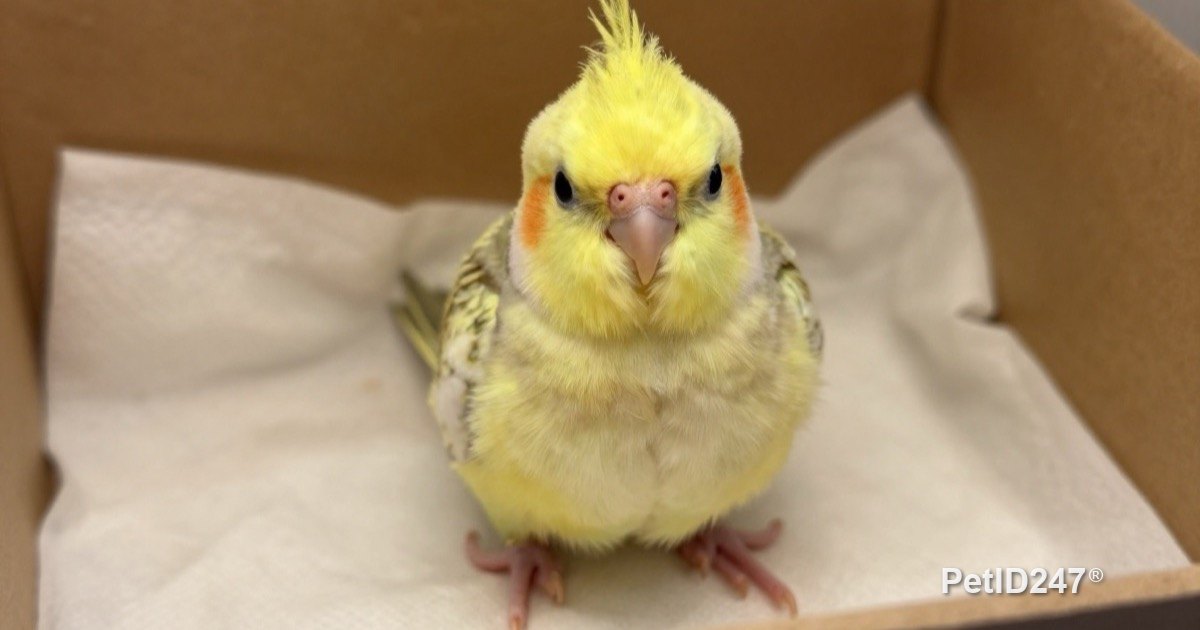
AI-generated illustration
Baby birds without a parent are very fragile and need proper warmth and careful hand-feeding. Here are the basic principles and why experienced help matters.
A chick that has lost its parent, been abandoned by its parents or was bought before it could feed itself is a difficult situation for any bird keeper. Baby birds are extremely fragile: a single cold night or one feeding mistake can be dangerous. This guide explains the basic principles and when to seek help from an experienced person or an avian veterinarian.
First: figure out the situation
If it is a wild bird you found
Many fledglings learning to fly end up on the ground, and that is normal; the parents are usually nearby and still feeding them. Don't rush to take the bird home. If it is injured or clearly abandoned, contact a local wildlife rescue organization or the relevant authority. Don't keep wild birds, and follow the rules where you live.
If it is a pet bird
With pet birds such as parrots and budgies, a chick may need hand-rearing if the parents abandon the nest or stop feeding, or if you buy a chick that isn't weaned. When buying a bird, it is best to choose one that already eats on its own. Buying an unweaned chick is a decision to think through very carefully, because it requires skill and time.
Keeping a baby bird warm
Newly hatched or partly feathered chicks can't maintain their own body temperature. In the wild, the mother broods them almost constantly. Once separated from the parent, keeping warm is the most important task, even more important than feeding.
- Use a brooder or warm box: a box with a ventilated lid, lined with clean paper towel or soft, lint-free fabric, with the heat source at one end so the chick can move to a cooler spot.
- The right temperature depends on age: the younger and less feathered the chick, the warmer it needs to be, decreasing as feathers grow in. Ask an experienced breeder or an avian veterinarian for the specific temperature for your species and age.
- Put a thermometer in the box at the level where the chick lies, so you know the real temperature.
- Avoid drafts, direct sun and air conditioning.
Reading your chick's signals
- Too cold: shivering, hunching, huddling together, poor appetite, slow digestion.
- Too hot: open-beak panting, stretched neck, wings held away from the body, lying far from the heat source.
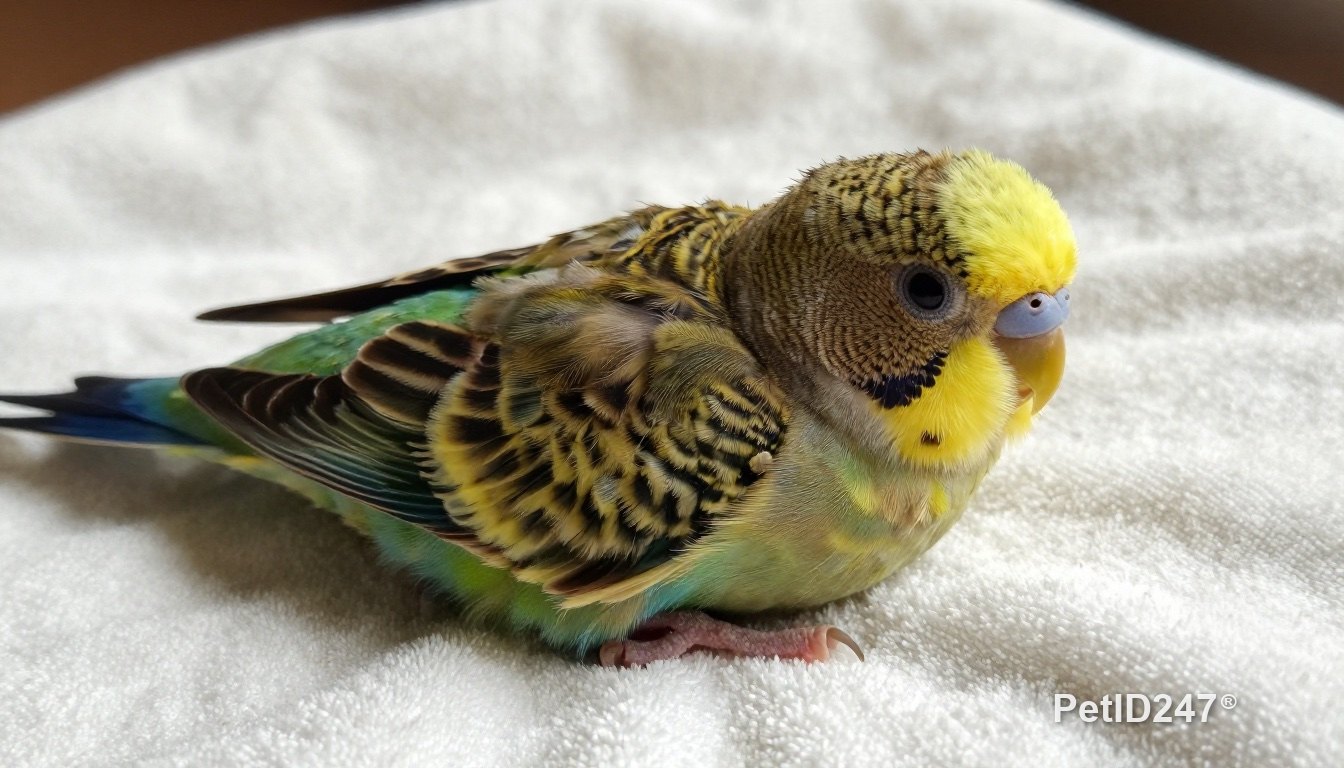
Feeding: why experience matters
Hand-feeding a chick is a skill that should be learned with hands-on guidance. Common mistakes can have serious consequences:
- Aspiration: food entering the windpipe, causing pneumonia or death.
- Crop burns: food that is too hot damages the crop, especially when microwaved and heated unevenly.
- Slow or stalled crop: from food that is too cool or too thick, a chilled chick, or infection.
- Infection: from unclean tools or formula left standing.
General principles
- Use only a commercial hand-feeding formula for baby birds suited to the species, mixed and fed exactly as directed on the product label and by your avian veterinarian. Don't make up your own recipe.
- Never feed a chick cow's milk, soaked bread, mashed rice or human food.
- Check the warmth of the food before every feeding, and stir well so there are no hot spots.
- Watch the crop: the crop is the food pouch at the front of the chest. It should be nearly empty before the next feeding.
- Strict hygiene: wash your hands, wash and scald feeding tools after each use, and mix fresh formula every time.
- Weigh the chick daily at the same time and write it down to check it is gaining weight steadily.
How many feedings a day, how much per feeding and when to wean vary greatly by species and age. That is why you should get hands-on guidance from an experienced breeder or take the chick to an avian veterinarian for specific instructions.
Weaning the chick
Once the chick is fully feathered and starts curiously pecking around, you can place a dish of soft seeds, vegetables and finely chopped fruit in the cage for practice. Weaning should be gradual, with continued weight checks. Don't cut out hand-feedings suddenly just because the chick has started pecking. A chick is truly independent only when it keeps a stable weight without hand-feeding.
When to see a vet
Take the chick to an avian veterinarian right away if:
- The crop hasn't emptied after many hours, feels tight or smells sour.
- The chick refuses food, stops begging, is weak or keeps its eyes shut.
- It wheezes, breathes with an open beak or has food coming from its nostrils.
- There is redness or a sore over the crop, or food leaking through the skin.
- It loses weight or fails to gain over several days.
- Droppings are abnormal, scant or absent.
With baby birds, early intervention makes all the difference. Don't hesitate to call an expert as soon as something seems wrong.
This article was prepared with the help of artificial intelligence tools and reviewed by the PetID247 editorial team before publication. It is for reference only and does not replace an examination by a veterinarian.