Molting in Pet Birds: Care and Nutrition
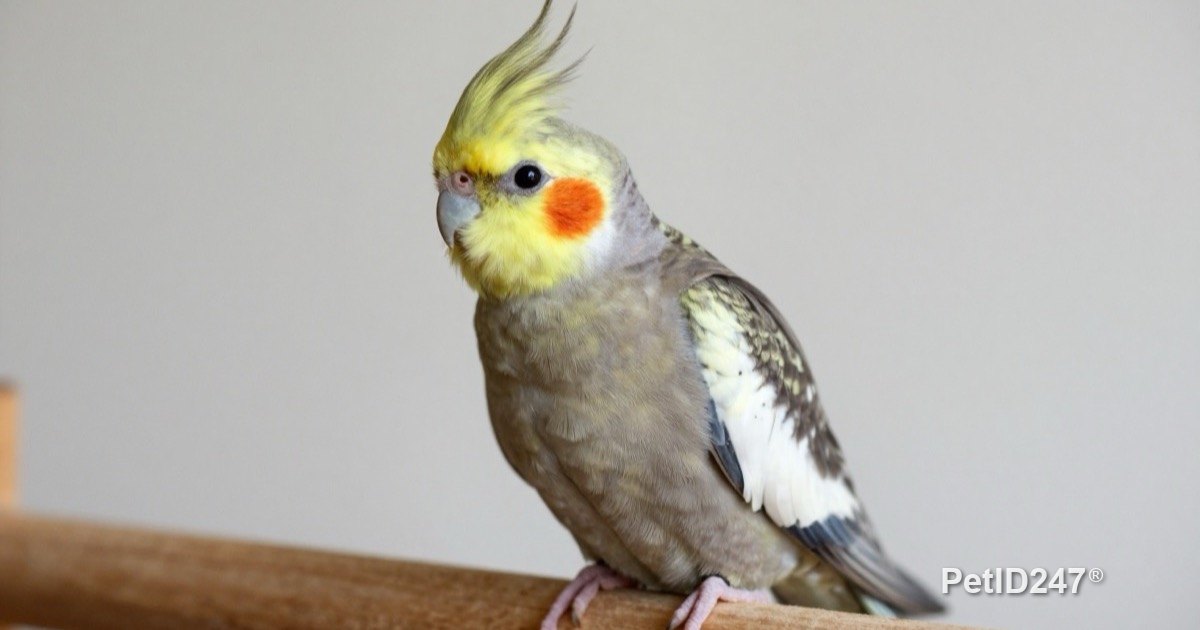
AI-generated illustration
Molting is natural but leaves birds tired and grumpy. Learn how to recognize a normal molt, support your bird's nutrition and care for it properly.
One morning you find the cage floor covered in feathers, and your pet bird looks scruffy, scratches more and is grumpier than usual. Most likely it is molting. This is a natural process, but growing new feathers uses a great deal of energy and nutrients. This guide helps you support your bird through this period more comfortably.
What molting is and how it happens
Feathers wear out over time from flying, preening and bumps. Molting is how birds shed old feathers and grow new ones. In many species, molting happens once or twice a year, often linked to the seasons, day length and the end of the breeding period. Some large parrots molt a few feathers at a time over a long period.
A normal molt usually looks like this:
- Feathers fall out gradually and evenly on both sides of the body, without large bald patches.
- Many small, pointed, tube-like new feathers appear, called pin feathers, especially on the head and neck.
- The bird scratches and preens more, may sleep more and sing less.
- The bird may be cranky and not want its head touched, because emerging pin feathers make it sensitive.
Blood feathers
Growing feathers have a blood supply inside them and look slightly dark at the base. If one of these breaks, the bird can bleed quite a lot. That is why you need to handle your bird carefully and prevent it from crashing into things during a molt.
Nutrition during molting
Feathers are made mostly of protein. So during a molt, birds need a more complete and varied diet than usual.
- A quality base diet: a fresh seed mix and pellets suited to the species. Birds that eat only one type of seed easily become deficient.
- Greens and colorful vegetables: leafy greens, broccoli, carrot, pumpkin and bell pepper. Orange, yellow and dark green vegetables are rich in vitamin A precursors, which matter for skin and feathers.
- Small amounts of extra protein: for example a little finely mashed plain hard-boiled egg, for species that commonly eat it. Ask an avian veterinarian about the right amount for your bird's species.
- Minerals: a cuttlebone or a mineral block for birds.
- Clean water changed daily.
Don't give tonics or vitamins in the water unless your veterinarian directs it. Supplementing incorrectly can cause an excess of nutrients, which is just as dangerous as a deficiency.
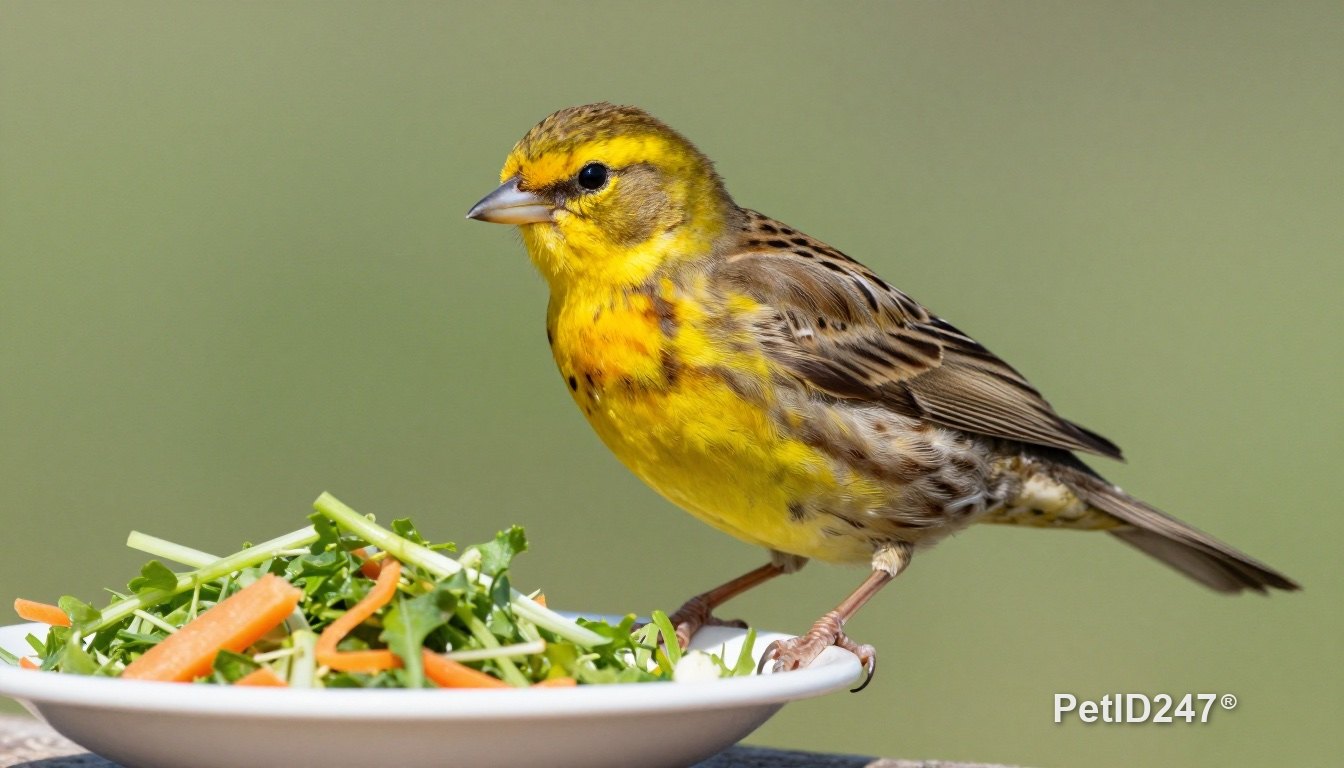
Caring for your bird during a molt
During this period, birds are often more sensitive both physically and emotionally. Some become quiet and play less, while others turn grumpy and nip when touched. This is a normal reaction. Cut back on training sessions, be more patient and give your bird extra time to rest. The following steps help keep it comfortable:
- Offer baths more often: misting or a shallow water dish softens pin feather sheaths, making preening easier and easing itchiness.
- Ensure enough quiet sleep: keep a regular bedtime in a dark, quiet room at night.
- Keep warm and avoid drafts: with thinner plumage, birds hold heat less well.
- Minimize stress: avoid changing cages, moving the bird, traveling or introducing new birds during this time.
- Touch gently: if your bird allows it, you can very lightly stroke pin feathers on the head to help remove the sheaths, but avoid dark pin feathers that still contain blood.
- Clean up shed feathers often: to keep the cage clean and reduce feather dust.
If a blood feather breaks and bleeds
Stay calm, hold your bird gently still, press lightly on the bleeding spot with clean gauze and contact an avian veterinarian right away. Small birds have very little blood, so ongoing bleeding is dangerous.
When to see a vet
Take your bird to an avian veterinarian if you notice:
- Feather loss in patches with exposed skin, especially if it is uneven between the two sides.
- New feathers growing in twisted, broken, abnormally colored or with obvious horizontal lines.
- An unusually long molt, or old feathers falling out without new ones growing.
- Fluffed-up feathers, excessive sleeping, loss of appetite, weight loss or changed droppings.
- A broken blood feather that won't stop bleeding.
- The bird plucking or chewing its feathers or skin.
Molting is a time when your bird needs a little extra pampering. Good nutrition, plenty of sleep and a calm environment will help its new feathers grow in beautiful and strong.
This article was prepared with the help of artificial intelligence tools and reviewed by the PetID247 editorial team before publication. It is for reference only and does not replace an examination by a veterinarian.