Keeping Koi in an Outdoor Pond: A Beginner's Guide
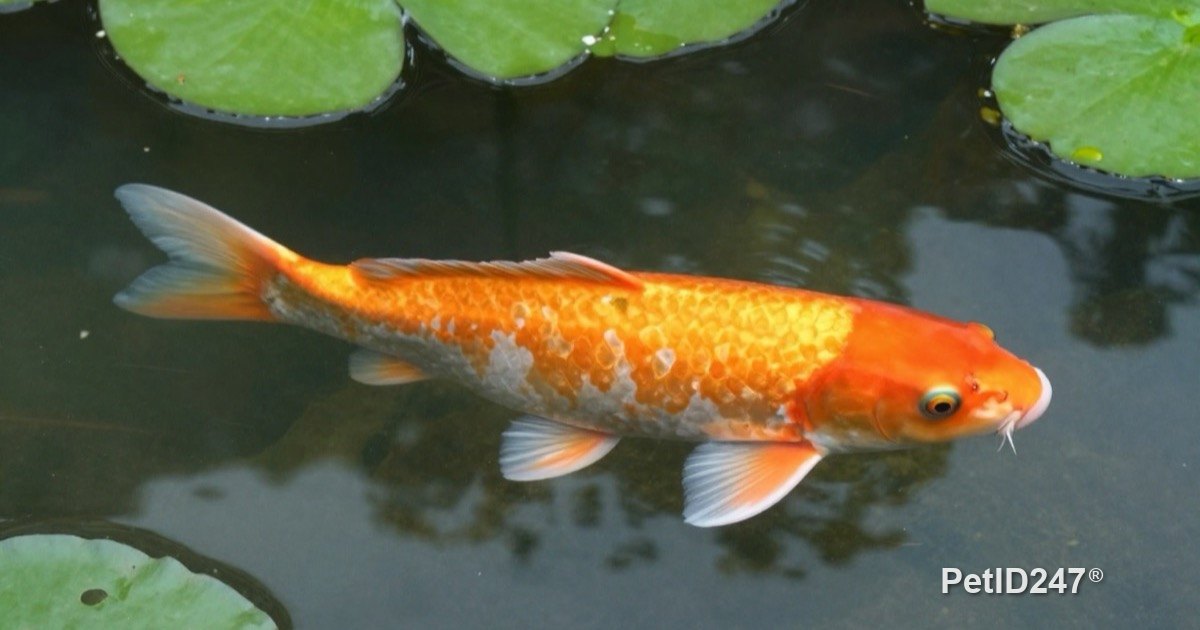
AI-generated illustration
Koi live long, grow fast and need a large pond, clean water and good filtration. Learn how to prepare the pond, filter it, choose fish, feed them and care for koi by season.
Koi are beautiful, gentle and can live for many decades with proper care. But koi grow fast, eat a lot and produce a lot of waste, so a koi pond needs careful planning from the start. A good pond is half the battle; the rest comes down to weekly water care habits.
Preparing the pond
Size and depth
Adult koi can grow to several tens of centimeters, so the pond must be far larger and deeper than an indoor aquarium. As a common guide, a pond should hold several cubic meters of water or more and be about 1–1.5 m deep, so the temperature stays stable and the fish have somewhere to retreat during harsh sun or when predators lurk. A few fish in a large pond is always easier than many fish in a cramped one.
Where to put the pond
- Some sun during the day, with shade at midday so the water doesn't overheat.
- Not directly under trees that shed a lot of leaves; rotting leaves foul the water.
- Near a safe power supply for pumps and filters, with weatherproof sockets and a residual-current safety device.
- A fence or netting if there are young children at home, or if cats and birds hunt fish in your area.
Filtration and aeration
Koi produce a lot of waste, so filtration is the heart of the pond. A basic system includes:
- Mechanical filtration: traps feces, debris and fallen leaves. Flush out the sludge regularly.
- Biological filtration: media with lots of surface area for beneficial bacteria, which convert toxic ammonia into less harmful compounds.
- Aeration or a waterfall: adds oxygen, especially on hot nights and in well-stocked ponds.
A new pond needs time for beneficial bacteria to grow. Run the filter for a few weeks and add fish gradually, not all at once. See our article on the nitrogen cycle if the concept is new to you.
Choosing and introducing fish
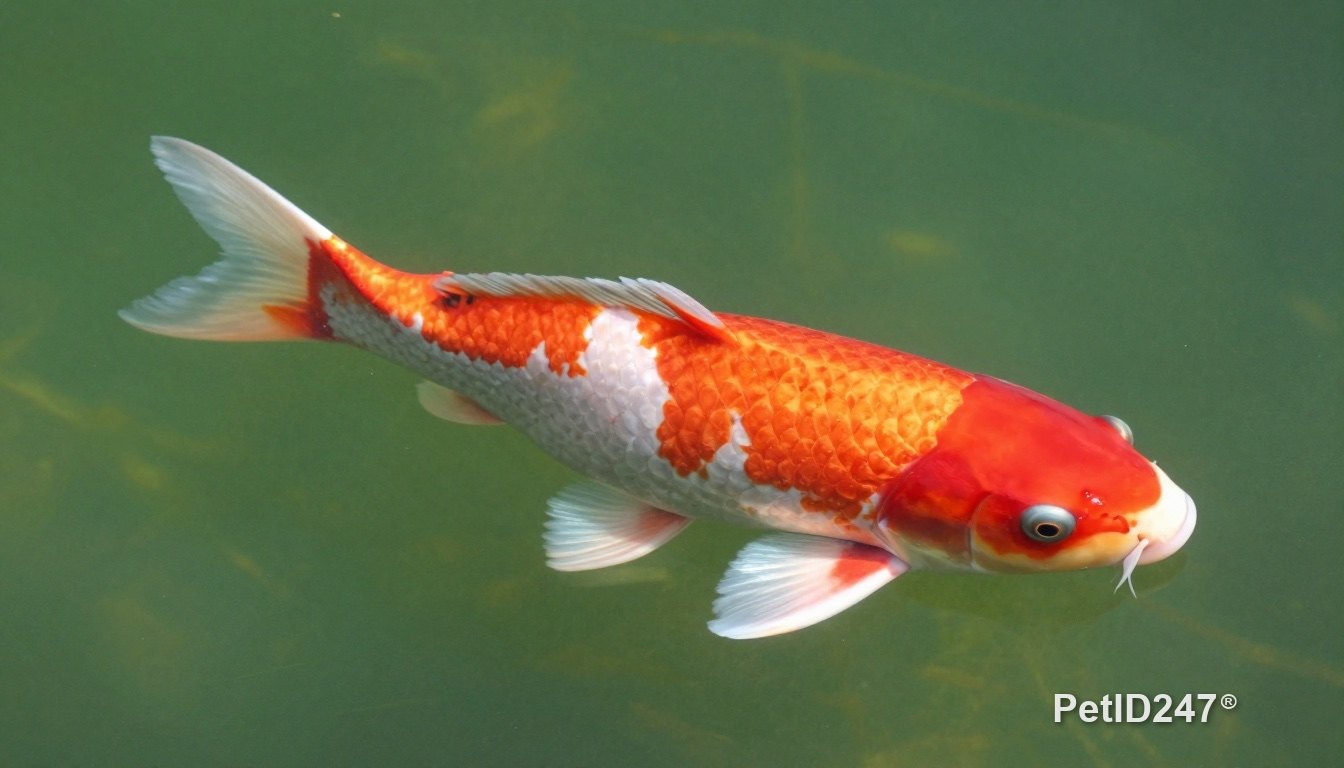
- Choose fish that swim strongly, with a balanced body and spread fins, no scrapes, white spots or ulcers.
- Quarantine new fish in a separate tank for a few weeks before adding them, to avoid bringing disease into the pond.
- When introducing them, float the bag on the pond surface to equalize the temperature, then let the fish adjust to the water gradually.
- Don't overstock. A crowded pond gets dirty quickly and fish fall ill more easily.
Feeding and weekly water care
Feeding
Use floating pellets made for koi, sized to fit the fish's mouths. Give only what they finish in a few minutes and scoop out leftovers. When the water is cool, koi eat less and digest more slowly, so cut back; in very cold water you may stop feeding depending on the fish's condition.
Regular tasks
- Watch the fish daily at feeding time: swimming, appetite, color and fins.
- Skim off fallen leaves and floating debris.
- Change part of the water each week with dechlorinated water at a similar temperature.
- Clean the mechanical filter; rinse biological media in pond water, not tap water, to keep the beneficial bacteria alive.
- Test the water with a kit if you have one (ammonia, nitrite, pH), especially when fish act oddly.
In the rainy season, heavy rain can suddenly change water quality and flood the pond; provide an overflow and a mesh guard. In hot weather, increase aeration and add some shade.
When to see a vet
Ask a veterinarian experienced with fish when:
- Fish gasp at the surface or crowd around the waterfall, breathing fast even after you increase aeration.
- Fish rub against the pond walls or repeatedly jump out of the water.
- You see red ulcers, raised scales, bulging eyes, a swollen belly or cotton-like white patches.
- Fish stop eating, sit on the bottom, or several die one after another.
Fish medications should be used only as directed by your veterinarian; read the product label carefully, since treating large koi in a big pond is very hard to get right on your own.
This article was prepared with the help of artificial intelligence tools and reviewed by the PetID247 editorial team before publication. It is for reference only and does not replace an examination by a veterinarian. How we write our articles